Fruit Ripening Technology Market By Component (Hardware, Software, and Services), By Technology Type (Conventional Ethylene Systems, Controlled Atmosphere Systems, IoT-Enabled Automated Systems, and Others), By Fruit Type (Banana, Mango, Avocado, Tomato, Papaya, Pear, Kiwi, and Other Fruits), By Capacity (Large-Scale, Medium-Scale, and Small-Scale), By End-User (Commercial, Small-Scale, and Other End Users) – Global Analysis & Forecast, 2025–2035
Industry: Agriculture | Publishing Date: April 17, 2026 | Last Updated: September 30, 2026 | No of Pages: N/A | No. of Tables: N/A | No. of Figures: N/A | Format: PDF | Report Code: AG4511
Industry Outlook
The global Fruit Ripening Technology Market size was valued at USD 3.19 billion in 2025, and is expected to be valued at USD 3.44 billion by the end of 2026. The industry is projected to grow, hitting USD 6.83 billion by 2035, with a CAGR of 7.91% between 2026 and 2035.
Fruit Ripening Technology Industry Size & Forecast
|
Parameters |
Details |
|
Market Size in 2026 |
USD 3.44 Billion |
|
Revenue Forecast in 2035 |
USD 6.83 Billion |
|
Growth Rate |
CAGR of 7.91% from 2026 to 2035 |
|
Analysis Period |
2025–2035 |
|
Base Year Considered |
2025 |
|
Forecast Period |
2026–2035 |
|
Market Size Estimation |
Billion (USD) |
|
Companies Profiled |
20 |
|
Countries Covered |
33 |
|
Market Share |
Available for 10 companies |
The fruit ripening technology market plays a critical role in modern post-harvest supply chains by enabling distributors to control the ripening process of climacteric fruits such as bananas, mangoes, avocados, and papayas. NMSC’s assessment indicates that controlled ripening technologies, including ethylene-based chambers and environmental monitoring systems, are increasingly adopted by fruit importers, exporters, and large retail distributors to ensure consistent product quality and optimal market readiness. These technologies help synchronise ripening cycles with retail demand, improve shelf life, and reduce supply chain inefficiencies.
The market is evolving alongside broader cold-chain modernisation and food safety initiatives worldwide. Industry analysis suggests that regulators, retailers, and food distributors are prioritising standardised ripening infrastructure to ensure compliance with food safety regulations and reduce reliance on unsafe ripening practices. We further observed growing interest in automation, remote monitoring, and integrated cold-chain systems that improve operational efficiency and batch consistency. As global fruit trade expands and post-harvest management becomes more technology-driven, the demand for advanced ripening solutions is expected to steadily increase.
What Are the Key Fruit Ripening Technology Industry Trends?
How is the Shift Toward Chemical-Free and Natural Ripening Methods Transforming the Fruit Ripening Technology Industry?
Based on our analysis, we assessed that increasing regulatory scrutiny and rising consumer awareness regarding food safety are accelerating the shift toward chemical-free ripening practices. Regulatory bodies and food safety authorities across several countries are tightening restrictions on hazardous artificial ripening agents such as calcium carbide. Furthermore, product managers and quality assurance teams at fruit distribution companies are increasingly preferring ethylene-based natural ripening systems that replicate the fruit’s biological ripening process. Retailers and exporters are therefore prioritising compliant ripening solutions to meet evolving food safety standards and maintain brand credibility, which is encouraging the wider deployment of regulated ripening chambers and advanced monitoring systems across the supply chain.
How Is Cold-Chain Integration Reshaping Post-Harvest Ripening Operations?
Based on our evaluation, we found that the integration of ripening facilities with modern cold-chain infrastructure is emerging as a critical operational trend in the market. Market data indicates that large fruit distributors are increasingly linking ripening chambers with refrigerated storage facilities, logistics hubs, and distribution centers to establish seamless post-harvest handling systems. These integrated systems enable operators to precisely control temperature transitions before and after the ripening process, thereby improving product consistency and reducing spoilage. As a result, this integrated infrastructure model is becoming particularly important for export-oriented supply chains, where fruit quality must be preserved during long-distance transportation.
How Are Automation and Remote Facility Management Improving Ripening Operations?
Automation is gradually transforming operational management within ripening facilities. Our evaluation indicates that modern ripening chambers are increasingly incorporating automated ventilation controls, programmable ripening cycles, and remote monitoring dashboards. These advanced systems enable managers to oversee multiple ripening rooms simultaneously while minimising manual intervention. Furthermore, automation enhances operational consistency, reduces the likelihood of human error, and enables more effective batch tracking, particularly in large-scale fruit distribution centers. As fruit logistics operations continue to expand, automated management platforms are becoming an increasingly important component of scalable ripening infrastructure.
Ecosystem Analysis of the Fruit Ripening Technology Industry
The infographic illustrates the comprehensive ecosystem of the fruit ripening technology market, highlighting the key stakeholders, technology layers, and regulatory frameworks shaping adoption and operational efficiency.

Based on our analysis, we noticed that the fruit ripening technology market is shaped by the interplay of specialised ripening infrastructure providers, ethylene generator manufacturers, automation and digital monitoring systems, and cold-chain logistics operators. End users, including commercial distributors and exporters, integrate these technologies to optimise post-harvest processes, improve fruit quality, and reduce losses. Policy, compliance, and food safety regulations provide critical guidance and incentives for adoption, while targeted solutions for high-demand fruits such as bananas, mangoes, and avocados drive technology development. Overall, understanding this ecosystem enables stakeholders to identify strategic partnerships, operational efficiencies, and growth opportunities across regional and global markets.
What Are the Key Market Drivers, Breakthroughs, And Investment Opportunities That Will Shape the Fruit Ripening Technology Market in the Next Decade?
Growth Catalyst & Risk Assessment Matrix
|
DRIVERS/TRENDS/ RESTRAINTS |
(+/-) % IMPACT ON CAGR FORECAST |
GEOGRAPHIC RELEVANCE |
IMPACT TIMELINE |
|
Expansion of global fresh fruit trade increasing demand for controlled ripening infrastructure |
+4.18% |
Latin America, Asia-Pacific, Europe, North America |
Medium to Long term (3–6 years) |
|
Rising focus on reducing post-harvest fruit losses accelerating adoption of controlled ripening technologies |
+3.52% |
Asia-Pacific, Africa, Latin America, Europe |
Medium term (2–4 years) |
|
Adoption of smart ripening technologies including IoT-enabled monitoring and automated ethylene management systems |
+2.36% |
North America, Europe, China, Australia |
Medium term (2–4 years) |
|
Expansion of global fresh fruit trade increasing demand for controlled ripening infrastructure |
+4.18% |
Latin America, Asia-Pacific, Europe, North America |
Medium to Long term (3–6 years) |
|
High capital investment and operational costs limiting adoption of commercial ripening chambers |
-2.27% |
Emerging economies, developing Asia-Pacific, Africa, Latin America |
Medium to Long term (3–6 years) |
Drawing from our market assessment, we observed that the fruit ripening technology market is primarily driven by the expansion of global fresh produce trade and the growing need to reduce post-harvest fruit losses across supply chains. Our analysis indicates that exporters, importers, and large retail distributors are increasingly investing in controlled ripening chambers and ethylene-based systems to ensure that fruits reach markets at optimal maturity while maintaining consistent quality. Furthermore, the rapid expansion of modern retail formats and the development of cold-chain logistics are accelerating demand for reliable ripening infrastructure. However, the high capital investment required for ripening chambers, environmental control systems, and ongoing operational maintenance remains a key restraint, particularly for small and mid-sized distributors. At the same time, the emergence of smart ripening technologies, such as IoT-enabled monitoring platforms and automated ethylene management systems, is expected to create significant opportunities by improving operational efficiency and reducing fruit spoilage across distribution networks.
Growth Drivers:
How Is the Expansion of Global Fresh Produce Trade Driving Demand for Controlled Ripening Infrastructure?
Based on our analysis, we observed that the expansion of global fresh fruit trade represents the most significant driver shaping the fruit ripening technology market. Fruits such as bananas, mangoes, avocados, papayas, and kiwis are increasingly transported across continents, requiring controlled ripening environments to preserve quality and extend shelf life. Our interviews with supply chain managers and exporters indicate that importers and retail distributors depend on ethylene-based ripening chambers to synchronise product maturity with retail demand cycles. Further, modern retail formats, including supermarkets, hypermarkets, and quick-commerce platforms, require consistent fruit quality and availability, which cannot be achieved through traditional ripening practices. As global fruit consumption and cross-border trade volumes continue to expand, the need for controlled ripening facilities is strengthening, positioning this factor as a primary structural growth driver for the market.
How Is the Rising Focus on Reducing Post-Harvest Losses Accelerating Adoption of Ripening Technologies?
The increasing global emphasis on reducing post-harvest fruit losses is the second major driver fueling the fruit ripening technology market. NMSC’s research indicates that a significant share of fruit waste occurs during the distribution stage due to uneven ripening, improper storage, and poor inventory coordination. Controlled ripening systems, therefore, enable companies to manage ripening cycles more precisely, thereby improving shelf life and minimising spoilage. Further, governments, retailers, and agricultural supply chain stakeholders are investing in modern post-harvest infrastructure, including ripening chambers, ethylene management systems, and monitoring technologies, to enhance supply chain efficiency. As sustainability goals and food security concerns become increasingly important, industry stakeholders are prioritising technologies that reduce waste, further accelerating the adoption of controlled ripening solutions.
Growth Inhibitor:
How Do High Capital Investment Requirements Limit the Adoption of Fruit Ripening Technologies?
NMSC’s analysis indicates that the high cost associated with installing and operating ripening infrastructure remains the most significant restraint affecting the fruit ripening technology market. Commercial ripening facilities require substantial investment in insulated chambers, ethylene generation systems, ventilation equipment, and environmental control technologies. In addition to infrastructure costs, operational expenditures, including electricity consumption, maintenance, and skilled personnel, further increase the financial burden. Based on our interviews with fruit wholesalers, we noticed that smaller distributors and regional fruit traders rely on conventional or informal ripening methods due to cost constraints. This cost barrier is particularly pronounced in emerging markets where fragmented supply chains dominate. As a result, high infrastructure costs continue to limit market penetration among smaller industry participants.
Growth Opportunity:
How Are Smart Ripening Systems and Digital Monitoring Platforms Creating New Fruit Ripening Technology Market Opportunities?
The integration of digital monitoring technologies and automated ripening management systems represents the most promising opportunity in the fruit ripening technology market. Our market assessment indicates that ripening facilities are increasingly adopting IoT-enabled sensors, automated ethylene control systems, and data-driven environmental monitoring to optimise ripening conditions. Based on our interviews with facility managers, we noticed that these smart systems allow operators to track temperature, humidity, and gas concentration in real time while remotely managing ripening cycles. Further large retail chains, export-focused fruit distributors, and modern cold-chain operators are investing in digital ripening solutions to improve operational efficiency and batch consistency. As supply chains become more technology-driven and data-centric, the adoption of intelligent ripening platforms is expected to unlock new value across post-harvest management and fresh produce logistics.

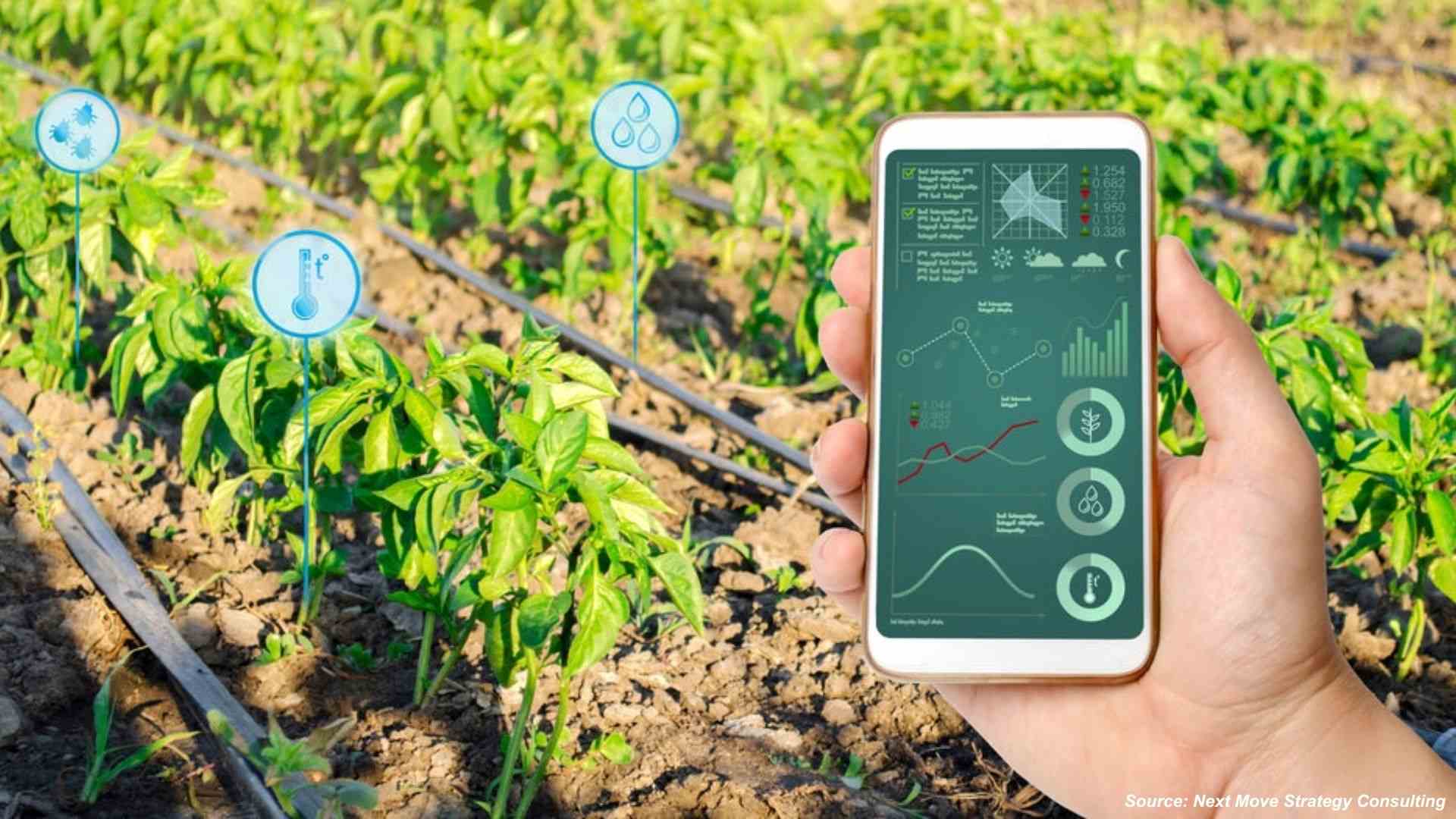
From the above infographic, we observed that the rising IoT market size positively impacts this sector by enabling real-time monitoring, automated control, and predictive analytics in ripening facilities. Integration of IoT accelerates efficiency, reduces waste, and supports scalable deployment, thereby driving overall market growth and encouraging technology adoption across commercial and industrial applications.
How Is the Fruit Ripening Technology Market Segmented in This Report, And What Are the Key Insights from the Segmentation Analysis?
Market Highlights & Strategic Insights - Fruit Ripening Technology Market:
|
Segments |
Key Takeaways |
|
Component |
Hardware dominates the market, driven by high investments in ripening chambers, ethylene systems, and environmental controls. Industry analysis suggests that software adoption is increasing, supported by IoT-based monitoring and automation tools. Further services remain critical, particularly for installation, maintenance, and compliance-driven upgrades. |
|
Technology Type |
Industry evaluation suggests that conventional ethylene-based systems lead the market due to cost efficiency and widespread adoption. On the other hand, controlled atmosphere systems are gaining traction in export-oriented supply chains, while IoT-enabled systems are emerging rapidly, driven by the need for precision and operational efficiency. |
|
Capacity |
Medium-scale facilities dominate, offering a balance between cost and throughput. Industry evidence suggests that large-scale facilities are expanding in organised supply chains. Moreover, small-scale systems remain relevant in fragmented markets, despite slower adoption. |
|
Fruit Type |
Our research indicates that banana dominates the market, supported by high consumption and controlled ripening requirements. Mango and avocado are high-growth segments driven by export demand, whereas other fruits contribute to diversified demand across regions. |
|
End-User |
Commercial users dominate, particularly wholesale markets and retail chains. Market data indicate that food processors provide a stable demand, while small-scale users contribute incremental growth, though adoption remains limited by cost constraints. |
By Component Insights
Is Component-Level Investment Driving Value Creation in the Fruit Ripening Technology Market in 2025?
On the basis of component, the fruit ripening technology market is segmented into hardware, software, and services.
Based on our market evaluation, we noticed that hardware dominates the fruit ripening technology market, as it forms the operational backbone of controlled ripening facilities. We found that key sub-segments, including ripening chambers, modular rooms, integrated cold storage units, ethylene generation and dosing systems, and environmental control equipment, account for the majority of capital expenditure. FAO evidence further confirms that effective ripening depends on precise control of temperature, humidity, and ethylene exposure, reinforcing hardware dependency. While software, such as chamber control platforms, IoT monitoring, and analytics tools, and services including installation, maintenance, and retrofits, are gaining traction, their contribution remains supplementary but increasingly critical for efficiency and compliance.
By Technology Type Insights
Is Technology Diversification Driving Innovation in the Fruit Ripening Technology Market?
On the basis of technology type, the fruit ripening technology market is segmented into conventional ethylene-based ripening systems, controlled atmosphere ripening systems, and IoT-enabled automated ripening systems.
Based on our comprehensive market assessment, we found that conventional ethylene-based systems dominate the market, primarily due to their cost-effectiveness, ease of deployment, and established role in commercial fruit distribution. FAO-backed evidence confirms that controlled ripening is fundamental to enabling long-distance transport and synchronised supply chains. However, market trends indicate a gradual shift toward controlled atmosphere and IoT-enabled systems, driven by rising quality standards, export demand, and the need to reduce food loss. While advanced technologies currently represent a smaller share, we observe that they capture increasing value as supply chains modernise and digitisation accelerates.
By Fruit Type Insights
Is Rising Demand for Controlled Ripening Across Climacteric Fruits Driving Fruit Ripening Technology Market Growth?
Based on fruit type, the fruit ripening technology market is segmented into banana, mango, avocado, tomato, papaya, pear, kiwi, and others.
We noticed that the bananas dominate the fruit ripening technology market, primarily due to the fruit’s large global production scale and the standardised commercial practice of ripening bananas in controlled ethylene environments after transportation. Bananas are typically harvested green and ripened near distribution centres, making ripening chambers essential for wholesalers and retailers. However, other fruits such as mango, avocado, and tomato also represent significant adoption areas due to their sensitivity to controlled ripening processes and expanding international trade. Based on our further interviews with fruit exporters and cold-chain operators, we observed that the papaya, pear, and kiwi segments are increasingly utilising controlled ripening technologies to maintain quality and shelf life during long-distance distribution. Collectively, these fruits contribute to sustained demand for ripening infrastructure across global fresh produce supply chains.

By End-User Insights
Is Growing Commercial Adoption Driving the Fruit Ripening Technology Market?
Based on the end-user, the fruit ripening technology market is segmented into commercial, small-scale, and others.
The commercial segment dominates the market due to the large volumes of fruit handled by exporters, importers, and retail distribution networks. Our analysis indicates that commercial operators require large-scale ripening infrastructure to manage bulk shipments of climacteric fruits and ensure consistent product quality prior to retail distribution. Furthermore, ripening chambers are typically deployed at centralised distribution centers to align fruit maturity with fruit ripening technology market demand. While small-scale distributors are gradually adopting compact ripening systems due to increasing regulatory pressure and growing food safety awareness, the other segment, including processors and research institutions, primarily contributes through specialised or experimental applications rather than large-volume commercial deployment.
Regulatory Framework Impacting the Fruit Ripening Technology Market
The regulatory landscape for fruit ripening technologies shapes market adoption, compliance requirements, and innovation, influencing manufacturers, distributors, and end-users across the supply chain.

NMSC analysis indicates that the fruit ripening technology market is strongly influenced by regulatory frameworks governing food safety, chemical use, and equipment standards. Policies promoting safe and sustainable ripening solutions, combined with government support for modern storage and ripening infrastructure, drive industry adoption. Certification requirements and compliance with national and international food safety standards ensure product quality and consumer protection. Oversight mechanisms, including inspections and audits, maintain operational accountability. Looking ahead, regulatory focus is shifting toward eco-friendly ripening technologies and stricter residue limits, while trade controls shape global market access. These dynamics collectively guide manufacturers, distributors, and supply chain stakeholders in strategic planning and investment decisions.
Regional Outlook:
Geographic Performance Snapshot:
|
Regions |
Key Takeaways |
|
North America |
North America is a mature industry for fruit ripening technology supported by advanced cold-chain infrastructure and organised retail supply chains. Based on our analysis, we found that fruit importers, wholesalers, and supermarket chains widely deploy controlled ripening chambers for fruits such as bananas and avocados. Further, strong food safety regulations and modern logistics systems continue to support the adoption of automated ripening and monitoring technologies across the region. |
|
Europe |
Europe is a regulation-driven market where food safety compliance and sustainable post-harvest management strongly influence technology adoption. Based on our evaluation, we observed that fruit distributors are investing in modern ripening facilities to comply with strict regulations and replace unsafe chemical ripening methods. Also, major fruit-importing countries such as Germany, France, Spain, and the Netherlands drive demand for controlled ripening infrastructure. |
|
Asia-Pacific |
Asia-Pacific is the fastest-growing market due to rising fruit consumption, expanding retail networks, and increasing awareness of food safety. Countries such as India, China, and Thailand are investing in ripening chambers to replace traditional ripening practices. Government restrictions on harmful ripening chemicals and rapid supermarket expansion are accelerating adoption across the region. |
|
Middle East & Africa (MEA) |
The Middle East & Africa region is experiencing a gradual adoption of fruit ripening technologies, particularly in Gulf countries that rely heavily on imported fruits. Based on our research, we noticed that distributors in the UAE and Saudi Arabia are investing in ripening chambers to manage imported fruit quality. Also, adoption in parts of Africa remains limited due to infrastructure constraints and fragmented supply chains. |
|
Latin America (LATAM) |
Latin America plays a key role in the global fruit supply chain as a major producer and exporter of bananas, avocados, and mangoes. Based on our analysis, we found that countries are adopting ripening technologies to support export distribution. Exporters are further installing ripening infrastructure near logistics hubs to maintain consistent fruit quality. |
The fruit ripening technology market is geographically studied across North America, Europe, Asia Pacific, the Middle East & Africa (MEA), and Latin America (LATAM), and each region is further studied across countries.
Fruit Ripening Technology Market in North America
From our analysis, we observed that the North America fruit ripening technology market is one of the most mature globally, anchored by highly organised supply chains, stringent food safety standards, and widespread cold chain infrastructure. Commercial distributors, supermarket chains, and post harvest logistics providers in both the United States and Canada have long embraced controlled ripening systems to manage climacteric fruits such as bananas, avocados, and mangoes. Investment is driven by the need to reduce spoilage, align fruit maturity with retail demand cycles, and comply with regulatory and quality standards. Further, automated monitoring and IoT enabled control systems are increasingly incorporated to improve consistency and reduce manual oversight. The presence of strong logistics networks and advanced refrigerated warehousing further accelerates adoption, making North America a benchmark for ripening technology deployment.
Fruit Ripening Technology Market in the United States
In our evaluation of the United States, we assessed that the market is characterised by advanced commercial adoption, significant technology innovation, and strong demand from large retail and wholesale networks. The U.S. fruit supply chain places particular emphasis on minimizing post harvest losses and ensuring uniform fruit quality, which has led distributors to integrate automated ripening chambers and ethylene management systems into their operations. Investment trends further show a preference for scalable, digital monitoring capabilities that support multi site operations across states. Regulatory expectations around food safety and traceability also reinforce the need for controlled ripening infrastructure. Based on our discussions with logistics professionals, we analysed that the U.S. market continues to evolve with enhanced data integration between ripening systems and broader cold chain management platforms, creating value by improving forecasting, reducing waste, and optimising labour.
Fruit Ripening Technology Market in Canada
Canada’s fruit ripening technology market mirrors many of the dynamics seen in its southern neighbour, but with a stronger emphasis on supply chain resilience given longer transport distances and a smaller domestic fruit production base. In our evaluation, we found that Canadian distributors and cold chain operators leverage ripening chambers and precise ethylene dosing systems to manage imported fruit, particularly bananas and tropical produce that arrive from Central and South America. Policy emphasis on food quality and safety, combined with investments in refrigerated infrastructure around major urban hubs such as Toronto, Vancouver, and Montreal, underpins steady market growth. Furthermore, integration of digital monitoring and energy efficient solutions is improving operational efficiency for Canadian end users, helping them reduce inventory loss and better synchronise ripening with regional demand patterns.
Fruit Ripening Technology Market in Europe
From our regional assessment of Europe, we noticed that the fruit ripening technology market is propelled by strong food safety regulations, sustainable supply chain initiatives, and cross border trade in fresh produce. European distributors and logistics providers prioritise controlled ripening systems to comply with standards and minimise waste across complex transit routes between the Mediterranean, Northern Europe, and Central European markets. Demand is highest in fruit import hubs that manage large volumes of bananas, avocados, and other climacteric produce. We have observed that technology adoption increasingly emphasizes energy efficient chambers and digital atmosphere control to meet sustainability goals. Fragmentation across European markets means that multinational logistics firms lead the deployment of advanced ripening solutions, while localised chamber manufacturers support smaller distribution centres.
Fruit Ripening Technology Market in the United Kingdom
Industry analysis suggests that the United Kingdom’s market reflects a blend of advanced retail demand and post Brexit supply chain adaptation. UK fruit distributors and supermarkets have adopted controlled ripening chambers and ethylene management technology to ensure consistent quality and reduce waste amidst evolving trade routes from Europe and beyond. Based on our discussions with industry stakeholders, we observed that there is a strong focus on sustainability and compliance with food safety standards, which drives investment in sophisticated ripening systems capable of digital monitoring and energy optimization. The UK market also benefits from its strategic role as a European distribution gateway, with logistics operators integrating ripening facilities near major ports and refrigeration hubs to manage imported fruit effectively.
Fruit Ripening Technology Market in Germany
As Germany is Europe’s largest economy and a major fresh produce consumer, our analysis indicates robust adoption of fruit ripening technologies across commercial operations. German logistics firms and retailers prioritise automation and traceability, driving investments in advanced ripening chambers equipped with digital control systems. Germany’s well developed cold chain infrastructure supports rapid deployment of ripening solutions, while regulatory focus on food safety reinforces adoption. Integration with broader logistics and quality assurance systems enhances operational visibility, which we have observed as a key differentiator for German operators managing high volumes of imported climacteric fruit.
Fruit Ripening Technology Market in France
Based on our evaluation, we observe that France’s market demonstrates strong adoption of ripening technologies across both large retail networks and independent cold-chain operators. In particular, French distributors prioritise fruit quality and post-harvest management to support high per capita fruit consumption and meet the growing demand for premium produce. Consequently, ripening chambers and precise ethylene dosing are widely used for bananas, mangoes, and avocados to ensure optimal texture and flavour upon arrival at retail outlets. Moreover, sustainability initiatives and energy-efficiency goals influence technology selection, as French end users seek solutions that minimise waste and comply with environmental policies.
Fruit Ripening Technology Market in Italy
Italy, a major European fresh produce importer and exporter, has a well established demand for controlled ripening technology, particularly in Southern ports where imported bananas and tropical fruits arrive. Italian distributors and logistics hubs leverage ripening chambers to manage fruit maturation timing and meet variable seasonal demand. Based on our discussions with regional operators, we noticed that cost effective, modular solutions are popular among mid sized distributors, while larger networks adopt automated, digitally monitored systems to enhance operational precision. The market’s maturity is supported by a strong cold chain ecosystem that connects Mediterranean import hubs with Northern European destinations.
Fruit Ripening Technology Market in Spain
Spain’s fruit ripening technology market is influenced by its proximity to African and South American import routes, making the need for controlled ripening infrastructure particularly acute. Spanish logistics firms and fruit distributors prioritise ripening chambers and ethylene generator systems to manage imported tropical fruit volumes and regional produce exports. Our industry engagement indicates that Spanish operators leverage advanced atmosphere control and monitoring solutions to ensure consistency, especially in multi‑temperature distribution centers. Additionally, sustainability and energy efficiency requirements are shaping procurement decisions, with an emphasis on reducing carbon footprint alongside quality outcomes.
Fruit Ripening Technology Market in the Nordics
NMSC’s assessment shows that the Nordic countries, particularly Sweden, Finland, Norway, and Denmark, are relatively smaller but technologically sophisticated. Cold climate conditions and strong retail demand for high quality produce drive the adoption of controlled ripening systems integrated with advanced cold chain solutions. In our evaluation, we found that Nordic distributors leverage digital monitoring and automated controls to manage imported climacteric fruit, given longer storage and transit intervals. Sustainability mandates and recycling/energy efficiency policies further influence technology adoption, prioritizing ripening systems that minimize waste and support circular supply chain objectives.
Fruit Ripening Technology Market in the Asia-Pacific
From our regional analysis, we evaluated that the Asia‑Pacific represents the fastest‑growing segment, driven by expanding consumption, retail modernization, and increasing food safety awareness. China, Japan, India, South Korea, Taiwan, Indonesia, and Australia each show unique demand drivers, where China’s vast distribution networks seek cost‑effective, large capacity solutions, Japan prioritizes quality and traceability, India’s fragmented supply chains drive demand for modular technologies, South Korea and Taiwan emphasize automation, Indonesia focuses on reducing post‑harvest losses, and Australia integrates ripening systems into modern cold‑chain infrastructures. Across the region, rising middle‑class consumption and expanding supermarket penetration accelerate adoption of controlled ripening technology to meet retail and export requirements.
Fruit Ripening Technology Market in China
China’s fruit ripening technology market is expanding rapidly, driven by booming urban consumption, the growth of modern retail, and rising import volumes of bananas, avocados, and other tropical fruits. To reduce losses and ensure consistent quality, we noticed that Chinese distributors, logistics providers, and cold-chain operators are increasingly investing in automated ripening chambers and ethylene systems. At the same time, digital monitoring and integration with supply chain platforms are emerging as key priorities. Regional manufacturers and international suppliers compete to meet China’s diverse demand, spanning large metropolitan areas as well as rapidly developing inland logistics hubs.
Fruit Ripening Technology Market in Japan
Based on our evaluation, we observed that Japan’s market is characterised by a strong focus on quality, food safety, and traceability. Japanese retailers and distributors widely adopt controlled ripening chambers and precise ethylene dosing to manage fruit quality and meet customer expectations. In particular, solutions that integrate digital monitoring with advanced atmosphere control are highly valued for predicting ripening outcomes and maintaining consistency. Additionally, Japan’s high-value fruit culture drives demand for technologies that preserve taste, texture, and visual appeal.
Fruit Ripening Technology Market in India
NMSC’s analysis indicates that India’s fruit ripening technology market is growing steadily as modern cold-chain infrastructure expands and regulatory scrutiny on unsafe ripening practices intensifies. Indian distributors, wholesale markets, and growers increasingly adopt ripening chambers and ethylene generators to replace traditional chemical methods. Cost-effective and modular solutions are particularly attractive due to fragmented supply chains and regional variability. Our interviews with commercial and small-scale end-users indicate a rising preference for systems that combine automation with affordability, supporting quality improvement and reduced losses. Overall, these trends suggest significant growth opportunities for technology providers that deliver scalable, compliant, and cost-efficient ripening solutions across India’s diverse fruit markets.
Fruit Ripening Technology Market in South Korea
Through our market evaluations, we observed that South Korea’s market reflects strong technology adoption driven by automation, quality expectations, and integration with modern retail supply chains. South Korean distributors emphasize IoT enabled and digitally controlled ripening systems to reduce reliance on manual oversight, improve precision, and maintain consistency for imported climacteric fruit. Further, efficiency and traceability are strategic priorities, and suppliers that offer seamless connectivity with broader logistics systems hold a competitive advantage.
Fruit Ripening Technology Market in Taiwan
Taiwan’s market is witnessing steady growth, driven by targeted demand from distributors and cold chain operators prioritising precise ripening control. Fruit handlers across the country are increasingly adopting compact, digitally monitored ripening chambers to optimise the quality of imported produce, minimise post-harvest losses, and synchronise ripening cycles with retail timelines. Based on our industry engagement, we observed that sustainability considerations and energy-efficient systems are playing a critical role in procurement decisions, further accelerating the adoption of smart ripening solutions. Overall, this trend positions Taiwan as a technologically progressive and efficiency-driven market within the regional fruit ripening ecosystem.
Fruit Ripening Technology Market in Indonesia
Current market analysis indicates that Indonesia’s fruit ripening technology market is gradually emerging, supported by increasing interest in controlled ripening to minimize post-harvest losses and enhance fruit quality for both domestic consumption and export markets. From our engagement with industry leaders, we observed that modular, cost-effective ripening chambers and ethylene-based systems are gaining traction, particularly among mid-sized distributors seeking operational flexibility. While infrastructure variability continues to pose challenges, the expansion of refrigerated logistics hubs and ongoing retail modernisation are acting as key growth catalysts. Overall, these developments position Indonesia as a high-potential, evolving market with strong long-term adoption prospects for ripening technologies.
Fruit Ripening Technology Market in Australia
Australia’s market is defined by highly developed cold chain infrastructure, stringent retail quality standards, and strong demand for consistent fruit quality. Distributors across the country increasingly utilise automated ripening chambers and digital monitoring systems to synchronise ripening cycles with consumer demand and export timelines. Based on our assessments, we analysed that sustainability mandates and growing traceability requirements are further accelerating the adoption of advanced ripening technologies, while regional producers integrate these systems to effectively serve both domestic and Asia-Pacific markets. Overall, Australia stands out as a mature, technology-driven market with strong alignment toward efficiency, compliance, and export-oriented growth.
Fruit Ripening Technology Market in Latin America
Our regional analysis indicates that Latin America represents a strategically important market due to its role as a major fruit exporter, particularly of bananas and avocados. Fruit distributors and logistics providers across the region increasingly adopt ripening chambers and ethylene generator systems to ensure consistent maturity for both export and local markets. The market combines large-scale commercial adoption with regional fragmentation, as mid-sized operators seek cost-effective and modular solutions that align with seasonal harvests and export cycles. Overall, these dynamics highlight significant opportunities for technology providers offering flexible, scalable, and compliance-ready ripening solutions in Latin America.
Fruit Ripening Technology Market in the Middle East & Africa
Our analysis indicates that the Middle East & Africa region exhibits growing adoption of ripening technologies in urban and import-dependent economies, driven by rising consumption of imported tropical fruits. Gulf Cooperation Council countries are investing in ripening chambers and integrated cold-chain logistics to maintain fruit quality. In Africa, adoption is still nascent but expanding in key hubs where exporters and cold-chain operators aim to improve post-harvest outcomes. Furthermore, ongoing infrastructure development continues to enable growth, while cost and logistics constraints shape adoption trajectories. Overall, these trends suggest emerging opportunities for technology providers offering scalable, efficient, and regionally adaptable ripening solutions.
Competitive Landscape
Competitive Dynamics & M&A Landscape:
|
Key Takeaways |
|
The fruit ripening technology market is led by specialised ethylene generator manufacturers (e.g., Catalytic Generators, Kwik Ripe Pty Ltd) and regional ripening chamber providers (e.g., Ice Make Refrigeration Limited, Blue Star Limited, Rinac). These companies compete on operational reliability, scalability, energy efficiency, and localised support, with regional players customising solutions for specific cold-chain and post-harvest requirements. Recent initiatives, such as Catalytic Generators’ global expansion, indicate a push for international visibility and strategic growth |
|
From our assessment, we observed that the market is split between high-end global technology leaders and regional infrastructure specialists. Catalytic Generators dominates the ethylene technology segment, while mid-sized players like Rinac, Singhsons Refrigeration, and Ice Make serve local markets with modular chambers. Blue Star differentiates through integrated cold-chain solutions and automation. Partnerships and certifications are key differentiators for credibility, regulatory compliance, and geographic reach. |
|
M&A and collaboration are emerging as key expansion strategies. Catalytic Generators is pursuing partnerships with international distributors, while Indian players such as Ice Make and Blue Star explore joint ventures in Southeast Asia. Based on our analysis, we found that these strategies combine technology, installation expertise, and geographic access, reinforcing competitiveness and accelerating the deployment of integrated ripening solutions in local and global markets. |
Which Companies Dominate the Fruit Ripening Technology Market and How Do They Compete?
Based on our analysis, we noticed that the fruit ripening technology market features both specialised ethylene generator manufacturers and regional ripening chamber providers. Companies such as Catalytic Generators and Kwik Ripe Pty Ltd dominate the ethylene technology segment, leveraging precise catalytic systems for bananas and other climacteric fruits, while Ice Make Refrigeration Limited, Blue Star Limited, and Rinac focus on large-scale ripening chamber design and turnkey installations in India and Southeast Asia. In our evaluation, we found that these firms compete on reliability, operational scalability, and energy-efficient solutions, with regional players offering localised support and customisation to meet specific cold-chain and post-harvest handling requirements. Recent 2025-2026 initiatives, such as Catalytic Generators’ global expansion strategy, highlight the push toward international market visibility.
Market Dominated by Fruit Ripening Technology Giants and Specialists
In our evaluation, we observed that the market is split between global technology leaders and regional infrastructure specialists. Large players like Catalytic Generators focus on high-end ethylene generators and international distribution, while mid-sized companies such as Rinac, Singhsons Refrigeration, and Ice Make Refrigeration serve localised markets with modular ripening chambers, combining refrigeration and ethylene application. Based on our competitive assessment, we noticed that Blue Star Limited strategically differentiates through integrated cold-chain solutions for banana and mango supply chains, offering automation and temperature-controlled rooms. Together, global leaders and regional specialists compete across geography and product specialisation, with partnerships and certifications serving as key differentiators for credibility and regulatory compliance.
Innovation and Adaptability Drive Market Success
Innovation is a primary competitive driver in the fruit ripening technology market, as companies differentiate through technological upgrades, digital integration, and process efficiency improvements. Catalytic Generators has begun integrating remote monitoring and automated ethylene control into its generators, enhancing precision and reliability for large-scale distributors. Ice Make Refrigeration Limited and Rinac are introducing IoT-enabled ripening chambers with real-time climate and humidity monitoring, while Kwik Ripe Pty Ltd emphasises energy-efficient catalytic systems for small-to-medium operations. Also, regional players such as Singhsons Refrigeration and Blue Star Limited focus on modular, scalable chamber designs to adapt to fluctuating fruit volumes. In our evaluation, these innovation initiatives strengthen operational efficiency, product quality, and market competitiveness.
Market Players to Opt for Merger & Acquisition Strategies to Expand Their Presence
From our competitive assessment, we analysed that mergers, acquisitions, and strategic alliances are emerging tools for expansion. While direct 2025-2026 M&A announcements for most regional chamber manufacturers are limited, the market is witnessing partnerships between ethylene generator producers and ripening infrastructure providers to enhance integrated offerings. For instance, Catalytic Generators has pursued collaboration agreements with international distributors to strengthen market reach, while Indian players like Ice Make Refrigeration Limited and Blue Star Limited are exploring joint ventures to expand cold-chain infrastructure in Southeast Asia. Such strategies allow firms to combine technology, geographic access, and installation expertise, reinforcing competitiveness in both local and global fruit ripening markets.
List of Key Fruit Ripening Technology Companies
-
Interko B.V.
-
Thermal Technologies, Inc.
-
Catalytic Generators, LLC
-
Frigotec GmbH
-
VDH Products B.V.
-
Isolcell S.p.A.
-
EHO d.o.o.
-
BG Door International B.V.
-
CANTEK Endüstriyel Ürünler Tarım Hayvancılık San. ve Tic. A.Ş.
-
Marvil Engineering srl
-
AgroFresh Solutions, Inc.
-
Van Amerongen CA Technology B.V.
-
Fruit Control Equipments s.r.l.
-
Plattenhardt + Wirth GmbH
-
Blue Star Limited
-
Rinac India Limited
-
Ice Make Refrigeration Limited
-
ASEKO, spol. s r.o.
-
Absoger SAS
-
HundredX Agritech Pvt Ltd
What are the Latest Key Industry Developments?
-
March 2026 - Interko B.V. announced the expansion of its smart ripening room portfolio with upgraded energy-efficient airflow systems and advanced cloud-connected monitoring capabilities designed to improve ripening consistency and reduce operational costs for tropical fruit suppliers.
-
February 2026 - Catalytic Generators, LLC announced an expanded global growth strategy during Fruit Logistica 2026, highlighting new digital innovations aimed at simplifying ethylene application and improving ripening reliability across banana and avocado supply chains.
SWOT Analysis of the Fruit Ripening Technology Market
The infographic provides a strategic SWOT overview of the fruit ripening technology market, highlighting key internal strengths and weaknesses alongside external opportunities and threats that influence market growth and adoption.

The above chart represents the SWOT analysis of the fruit ripening technology market, highlighting its key dynamics. Strengths include controlled ripening for consistent quality and longer shelf life, while high initial investments in chambers and ethylene systems remain a weakness, opportunities arise from AI and IoT-enabled ripening technologies, whereas regulatory restrictions on ethylene and chemical agents pose threats. These factors collectively shape market growth, innovation adoption, and strategic decisions for industry stakeholders.
What Are the Key Factors Influencing Investment Analysis & Opportunities in the Fruit Ripening Technology Market?
Investment in the fruit ripening technology market is being shaped by a convergence of supply chain modernisation, sustainability priorities, and regulatory pressures to improve post harvest quality. From our competitive assessment, we found that strategic capital is increasingly directed toward companies that integrate automation, digital monitoring, and precision ethylene control into their solutions, as these capabilities address core operational inefficiencies and waste reduction imperatives across fresh produce logistics. Investor interest is particularly strong where technology meets scale, exemplified by partnerships between ethylene generator manufacturers and cold chain infrastructure providers that deliver comprehensive end to end ripening solutions. Funding trends reflect growing confidence among strategic investors that technology led ripening infrastructure becomes a foundational element of modern horticultural supply chains, especially as buyers demand improved quality, traceability, and shelf life outcomes.
Emerging opportunities center on scalable digital platforms that enable remote monitoring, data analytics, and predictive control of ripening environments, which is a critical differentiator for attracting future capital. From our industry engagement, we also observe heightened investor interest in companies that serve export oriented production hubs and high growth markets where infrastructure gaps remain significant. In our observation, the strongest prospects are those firms that have clear pathways to expand their geographic reach, deepen integration with broader cold-chain systems, and demonstrate measurable operational impact for distributors and retailers alike.
Key Benefits for Stakeholders:
Next Move Strategy Consulting (NMSC) provides a comprehensive and evidence-based analysis of the fruit ripening technology market trends, covering historical developments from 2020 to 2025 and offering forward-looking forecasts through 2035. Our study assesses the market at global, regional, and country levels, combining quantitative outlooks with qualitative insights into key growth drivers, adoption constraints, technology evolution, and investment dynamics across major Fruit Ripening Technology segments.
From our analysis, we found that the fruit ripening technology market delivers distinct strategic, economic, and operational benefits to multiple stakeholders. Investors gain exposure to a sector with strong adoption momentum, driven by modernisation of cold-chain logistics, regulatory pressures on food safety, and the demand for automated ripening solutions, creating opportunities for long-term value creation and portfolio diversification. Further, customers, including distributors, wholesalers, and retailers, benefit from consistent fruit quality, extended shelf life, and reduced post-harvest losses, which translate into operational efficiency and improved profit margins. In our evaluation, we assess that policymakers and regulatory bodies also gain indirectly, as adoption of controlled ripening technologies supports compliance with food safety standards, environmental guidelines, and traceability mandates, promoting sustainable practices. Stakeholders who align strategically with scalable, automated, and digitally integrated ripening solutions capture the greatest value, as these systems not only optimise supply chains but also create defensible competitive advantages across regional and global markets.
|
Parameters |
Details |
|
Customization Scope |
Free customization (equivalent to up to 80 analyst-working hours) after purchase. Addition or alteration to country, regional & segment scope. |
|
Pricing and Purchase Options |
Avail customized purchase options to meet your exact research needs. |
|
Approach |
In-depth primary and secondary research; proprietary databases; rigorous quality control and validation measures. |
|
Analytical Tools |
Porter's Five Forces, SWOT, value chain, and Harvey ball analysis to assess competitive intensity, stakeholder roles, and relative impact of key factors. |
Fruit Ripening Technology Market Key Segments
By Component
-
Hardware
-
Ripening Chambers
-
Fixed Rooms
-
Modular Rooms
-
Portable Units
-
Research Chambers
-
-
Process Equipment
-
Ethylene Generators
-
Gas Dosing Systems
-
Air Handling Systems
-
Climate Control Units
-
Gas Scrubbers
-
-
Monitoring and Control
-
Gas Analyzers
-
Sensors
-
Controllers
-
Data Loggers
-
-
Other Hardware
-
-
Software
-
Control Software
-
PLC Software
-
SCADA Software
-
Cloud-Based Management
-
Mobile Dashboards
-
-
Analytics Software
-
Cycle Optimization
-
Batch Tracking
-
Compliance & Reporting
-
-
Other Software
-
-
Services
-
Design & Engineering
-
Installation & Commissioning
-
Maintenance & Support
-
Training & Consulting
-
By Technology Type
-
Conventional Ethylene Systems
-
Controlled Atmosphere Systems
-
IoT-Enabled Automated Systems
-
Other
By Fruit Type
-
Banana
-
Mango
-
Avocado
-
Tomato
-
Papaya
-
Pear
-
Kiwi
-
Other Fruits
By Capacity
-
Large-Scale (>20 MT per cycle)
-
Medium-Scale (5 to 20 MT per cycle)
-
Small-Scale (<5 MT per cycle)
By End-User
-
Commercial
-
Wholesale Markets
-
Distribution Centers
-
Large Retail Chains
-
Food Processors
-
-
Small-Scale
-
Local Markets
-
Small Retail Stores
-
Individual Farmers
-
-
Other Endusers
Geographical Breakdown
-
North America: U.S., Canada, and Mexico.
-
Europe: UK, Germany, France, Italy, Spain, Sweden, Denmark, Finland, the Netherlands, and the Rest of Europe.
-
Asia Pacific: China, India, Japan, South Korea, Taiwan, Indonesia, Vietnam, Australia, Philippines, Malaysia and the rest of APAC.
-
Middle East & Africa (MEA): Saudi Arabia, UAE, Egypt, Israel, Turkey, Nigeria, South Africa, and the rest of MEA.
-
Latin America: Brazil, Argentina, Chile, Colombia, and the rest of LATAM.
Conclusion & Recommendations
NMSC’s evaluation indicates that the fruit ripening technology market is poised for sustained growth as automation, digital monitoring, and precision ethylene control become integral to modern post-harvest supply chains. We observed that the market’s evolution is driven by operational efficiency imperatives, regulatory compliance pressures, and rising demand for consistent fruit quality across both domestic and export-oriented markets. Companies that integrate scalable, IoT-enabled ripening systems with cold-chain infrastructure are best positioned to capture strategic advantage, while regional specialists continue to leverage localised expertise and cost-effective solutions to serve niche segments. The competitive landscape reflects a balance between global technology leaders and agile regional providers, with innovation and adaptability shaping long-term success.
Future opportunities are strongest when stakeholders align investment, operational, and regulatory strategies. Investors capitalise on emerging scalable technologies and strategic partnerships, while executives prioritise digital integration and modular ripening systems to optimise throughput and product quality. We recommend that decision-makers pursue coordinated strategies combining technology adoption, infrastructure development, and regulatory alignment to drive growth, enhance value creation, and strengthen supply-chain resilience across global fruit markets.


About the Author
 Mayurima Roy
— Mayurima Roy is Research Analyst at Next Move Strategy Consulting, where she has spent 4 years working across the firm's full industry coverage rather than a single fixed vertical. Her work centers on structured research, ongoing trend tracking, competitive assessment, and insight-led content development, translating complex market data into clear, decision-ready narratives that support informed client decision-making across diverse global industries, market sectors, and world regions every day.
Mayurima Roy
— Mayurima Roy is Research Analyst at Next Move Strategy Consulting, where she has spent 4 years working across the firm's full industry coverage rather than a single fixed vertical. Her work centers on structured research, ongoing trend tracking, competitive assessment, and insight-led content development, translating complex market data into clear, decision-ready narratives that support informed client decision-making across diverse global industries, market sectors, and world regions every day.
About the Reviewer
 Supradip Baul
— Supradip Baul is an accomplished business consultant and strategist with over a decade of rich experience in market intelligence, strategy, technology, and business transformation. His work has included rigorous qualitative and quantitative analysis across multiple industries, helping clients shape investment decisions and long-term roadmaps. Earlier in his career, he was associated with Gartner, where he contributed to industry-leading reports and market share analyses. He has worked with leading global companies and holds an MBA with a dual specialization in Marketing and Finance.
Supradip Baul
— Supradip Baul is an accomplished business consultant and strategist with over a decade of rich experience in market intelligence, strategy, technology, and business transformation. His work has included rigorous qualitative and quantitative analysis across multiple industries, helping clients shape investment decisions and long-term roadmaps. Earlier in his career, he was associated with Gartner, where he contributed to industry-leading reports and market share analyses. He has worked with leading global companies and holds an MBA with a dual specialization in Marketing and Finance.
At Next Move Strategy Consulting, we understand that insightful market research is the cornerstone of successful business decisions. That's why we employ a robust and multifaceted approach, combining various methodologies to deliver the most accurate and actionable data for our clients.

Research Landscape
We navigate the world of research with two primary approaches:
Qualitative Approach
Our qualitative research methodologies involve immersive techniques such as in-depth interviews, focus groups, and observational studies. By engaging directly with individuals and stakeholders, we uncover valuable insights that quantitative data alone may overlook.

Quantitative Research
In tandem with qualitative methodologies, NMSC leverages the power of Quantitative Research to provide a robust foundation of numerical insights. Through systematic data collection and analysis, we quantify patterns, preferences, and market trends, offering a comprehensive view of the business landscape.
Our quantitative research approach employs diverse tools, including surveys, experiments, and statistical modelling. These methodologies enable us to gather data from a large and representative sample, ensuring the statistical significance of our findings. By employing structured questionnaires and standardized data collection methods, we guarantee the reliability and validity of the information we present to our clients.
Quantitative research is particularly effective in measuring the prevalence of trends, assessing market size, and gauging the impact of various factors on consumer behavior. The numerical precision attained through this approach equips our clients with actionable insights, facilitating data-driven decision-making and strategy formulation.


Our Specialized Toolbox for Industry-Specific Market Research
We deploy a specialized arsenal of techniques tailored to meet your unique requirements. Here's a glimpse into our comprehensive toolbox:

Information Procurement
The stage entails acquiring market data or relevant information through various sources and methodologies.


Market Research Approach
We utilize both top-down and bottom-up approaches in market research analysis to achieve a comprehensive understanding of the market dynamics, leveraging the broad perspective of industry trends and macroeconomic factors alongside detailed insights from specific segments and individual companies.

Porters Five Forces Analysis
We conduct Porter's Five Forces analysis to evaluate the competitive landscape of an industry, providing us with insights into factors that affect profitability and strategic positioning.

SWOT Analysis

Forecasting
We utilize a forecasting model to predict future consumption by considering parameters like population, economics, regulations, market competition, drivers, constraints, technology, and pricing. We also employ statistical techniques such as multilinear regression, exponential smoothing, moving average, ARIMA, and Monte Carlo simulations for accurate predictions. In econometric forecasting, we analyzed short-term and long-term event impacts, attributing values based on regulatory frameworks, economic factors, and market events.





 Speak to Our Analyst