Warehouse Automated Storage and Retrieval System (ASRS) Market By System Type & Core Technology (Fixed-Path / Rail-Based Systems, Crane-Based ASRS (Unit-Load, Mini-Load), Shuttle-Based ASRS, Carousel Systems, and Others, By Operational Mode (Goods-to-Person, Person-to-Goods, Fully Automated), By Deployment Scenario (Greenfield, Brownfield Expansion, and Others), By Commercial Model (CapEx, Leasing, As-a-Service)– Global Analysis & Forecast, 2025–2035
Industry: Semiconductor & Electronics | Lastest Edition: June 15, 2026 | No of Pages: 736 | No. of Tables: 841 | No. of Figures: 833 | Format: PDF | Report Code : SE4550
Industry Outlook
The global Warehouse ASRS Market size was valued at USD 6.87 billion in 2025 and is expected to reach USD 8.56 billion by 2026. Furthermore, the market is projected to reach USD 22.74 billion by 2035, growing at a CAGR of 11.46% from 2026 to 2035. Also, the market is valued at 24.31 thousand units in 2025 and is projected to reach 31.20 thousand units in 2026, and is expected to reach 94.06 thousand units in 2035 with a CAGR of 13.04%.
Warehouse ASRS Industry Size & Forecast
|
Parameters |
Details |
|
Market Size in 2026 |
USD 8.56 Billion |
|
Revenue Forecast in 2035 |
USD 22.74 Billion |
|
Growth Rate |
CAGR of 11.46% from 2026 to 2035 |
|
Market Volume in 2025 |
24.31 thousand Units |
|
Volume Forecast in 2035 |
94.06 thousand Units |
|
Growth Rate |
CAGR of 13.04% from 2026 to 2035 |
|
Analysis Period |
2025–2035 |
|
Base Year Considered |
2025 |
|
Forecast Period |
2026–2035 |
|
Market Size Estimation |
Billion (USD) |
|
Companies Profiled |
20 |
|
Countries Covered |
33 |
|
Market Share |
Available for 10 companies |
Based on our primary research and engagement with warehouse operators and system integrators, we observed that the global warehouse ASRS market is witnessing strong growth, driven by rising e-commerce volumes, increasing warehouse space constraints, and persistent labour shortages. High-density storage requirements and the need for throughput optimization are accelerating the adoption of pallet ASRS, shuttle systems, and mini-load solutions across large distribution centres. Our field assessments indicate that integration with warehouse control systems (WCS), warehouse management systems (WMS), and real-time analytics platforms significantly enhances inventory accuracy, space utilization, and operational efficiency. While hardware-intensive systems continue to account for the majority of deployments, software-led orchestration and lifecycle services are increasingly becoming critical differentiators. Asia-Pacific leads adoption, supported by large-scale logistics infrastructure, rapid warehouse expansion, and strong government-backed automation initiatives.
Moreover, through direct evaluation of multiple ASRS deployments across North America, Europe, and Asia-Pacific, we noticed that adoption patterns are shaped by labour constraints, real estate costs, and system integration complexity. North America benefits from high automation readiness and large-scale fulfilment centres, while Europe emphasizes compliance, energy efficiency, and seamless integration with Industry 4.0 frameworks. At the same time, emerging markets such as India and Latin America are witnessing accelerated uptake, driven by expanding e-commerce networks and warehouse modernization initiatives. Key market participants, including Daifuku Co., Ltd., Dematic, SSI SCHAEFER Group, and Swisslog Holding AG, compete through system reliability, high-density storage capabilities, and software integration. Recent developments in shuttle-based architectures, cube-based storage, and hybrid ASRS-robotics systems reflect ongoing innovation, while service-led models and long-term maintenance contracts enhance return on investment and strengthen customer trust.

The chart indicates a strong upward trajectory in the Indian e-commerce market from 2024 to 2035, reflecting rapidly expanding online retail volumes and fulfilment demand. This growth directly supports the warehouse ASRS market expansion, as increasing order volumes require faster, more efficient warehouse operations. E-commerce is a key driver of ASRS adoption, pushing companies to automate inventory handling, improve storage density, and accelerate order processing. As online sales scale, warehouses increasingly deploy ASRS to reduce labour dependency, enhance accuracy, and manage high-throughput logistics environments efficiently.
What Is the Key Warehouse ASRS Industry Trends?
How Is the “Dark Warehouse” Concept Redefining Warehouse ASRS Market Infrastructure Design in 2026?
The shift toward fully autonomous storage environments has accelerated the emergence of “dark warehouse” zones within ASRS-led facilities in the market. Based on our market analysis, we observed that operators are no longer designing warehouses around human accessibility, but rather around robotic precision and uninterrupted system performance. Through our interactions with warehouse architects and automation consultants, we assessed that oxygen-reduction systems, initially deployed for fire mitigation, are now strategically integrated with ultra-dense vertical racking to unlock higher cubic utilization. Moreover, eliminating human movement constraints enables tighter aisle spacing and taller storage configurations, directly enhancing storage density and throughput efficiency. At the same time, continuous, lights-out operations reduce downtime and improved asset utilization. As this design philosophy matured, ASRS systems evolved into the structural core of machine-first warehouses, enabling scalable, high-efficiency environments that are purpose-built for autonomous operations.
How Are 4-Way Multi-Shuttle Fleets Transforming Throughput and System Resilience in ASRS Deployments?
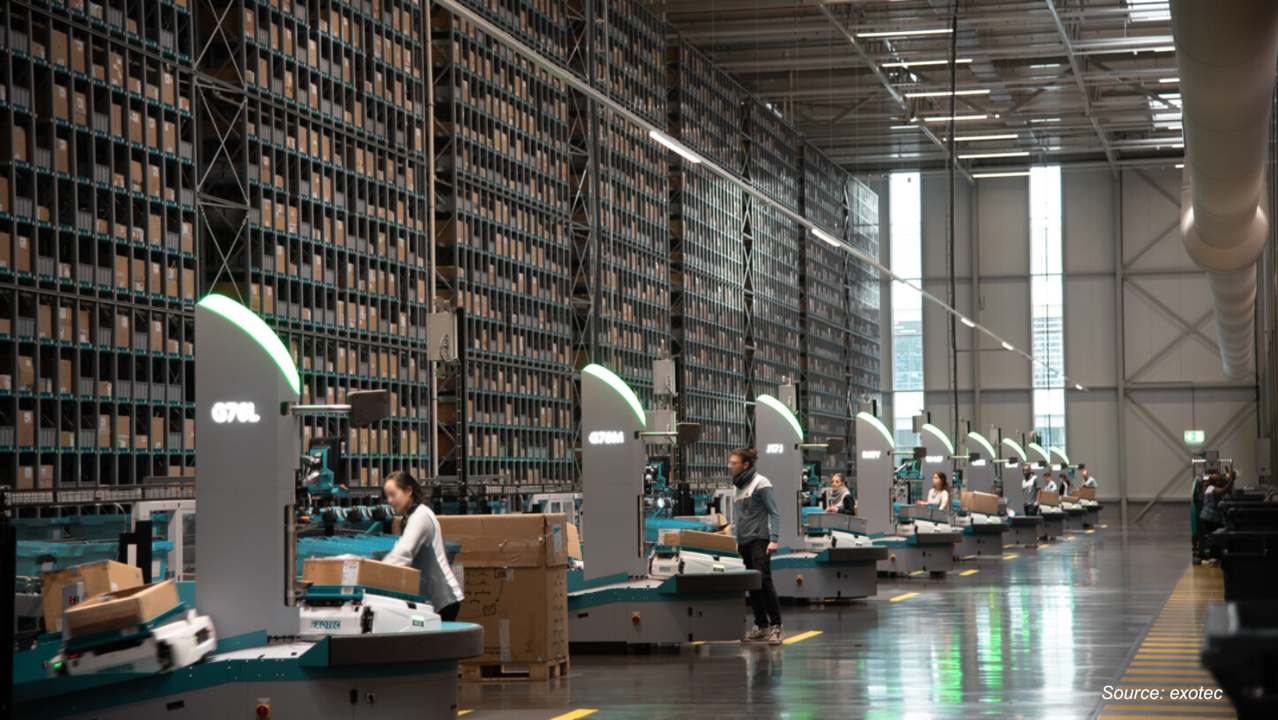
A fundamental redesign of ASRS architecture is underway in the warehouse ASRS market as 4-way multi-shuttle fleets gain rapid adoption across high-throughput facilities. From our market evaluation, we determined that these systems significantly outperform traditional crane-based models by enabling movement both longitudinally and laterally across rack structures. Through our engagement with system integrators and fulfilment operators, we observed that this flexibility allows multiple shuttles to operate simultaneously across different levels, thereby introducing true parallel processing capabilities. In addition, distributing tasks across fleets reduce congestion and minimized idle time, particularly during peak demand cycles. Unlike aisle-bound cranes, which introduce a single point of failure, multi-shuttle systems provide inherent redundancy, ensuring operational continuity even when individual units require maintenance. As a result, facilities are increasingly adopting fleet-based architectures that combine scalability with resilience, ultimately delivering more consistent throughput and improved operational reliability within the market.
How Is AI-WMS Predictive Slotting Reshaping Inventory Positioning in ASRS Systems?
Inventory management within ASRS environments is evolving from static allocation to predictive orchestration driven by AI-integrated WMS platforms across the market. Based on our assessment, we identified that warehouses are increasingly leveraging external data signals such as social media trends, seasonal demand patterns, and weather forecasts to anticipate SKU velocity in advance. Through our discussions with warehouse IT leaders and data science teams, we evaluated that this intelligence enables systems to pre-position high-demand items into the most accessible ASRS bins during off-peak hours. Furthermore, predictive slotting significantly reduces retrieval times and enhances order fulfillment speed during demand surges. By proactively aligning storage positions with demand, warehouses also minimized last-minute reshuffling and operational disruptions. As these capabilities continue to advance, ASRS systems are transitioning toward demand-aware infrastructures, where inventory decisions are continuously optimized ahead of actual order inflow, driving higher efficiency and responsiveness across fulfillment operations.
Ecosystem Analysis of the Warehouse ASRS Industry

Based on our analysis, we noticed that the warehouse ASRS market ecosystem is driven by strong integration across technology, operations, and investment layers. R&D advancements and supplier networks enable system innovation, while customers such as e-commerce and logistics providers drive adoption. At the same time, data infrastructure ensures real-time control and efficiency, supported by increasing investments and evolving applications. As a result, regulatory frameworks and governance are strengthening standardized deployment, reinforcing the market’s scalability and growth.
What Are the Key Market Drivers, Breakthroughs, and Investment Opportunities That Will Shape the Warehouse ASRS Industry in the Next Decade?
Growth Catalyst & Risk Assessment Matrix
|
DRIVERS / TRENDS / RESTRAINTS |
(+/–) % IMPACT ON CAGR FORECAST |
GEOGRAPHIC RELEVANCE |
IMPACT TIMELINE |
|
Rapid expansion of micro-fulfilment centres is driving demand for high-density, space-optimised ASRS solutions |
+1.4% |
North America, Europe (UK, Germany), China, India |
Medium term (2–5 years) |
|
Persistent labour shortages and rising warehouse wages are accelerating the structural shift toward ASRS adoption |
+1.2% |
North America, Western Europe, Japan, South Korea |
Short to medium term (1–4 years) |
|
Increasing integration of AI-driven WMS and predictive slotting is enhancing ASRS efficiency and throughput |
+1.0% |
North America, China, Germany, Japan |
Medium term (2–5 years) |
|
Emergence of ASRS-as-a-Service (RaaS) models enabling flexible, low-CAPEX adoption across warehouse segments |
+0.9% |
North America, Europe, India, Southeast Asia |
Medium term (2–6 years) |
|
High initial capital investment and extended ROI timelines are limiting adoption among mid-sized warehouse operators |
–1.2% |
Global, with a strong impact in India, Southeast Asia, and Latin America |
Medium term (2–5 years) |
Based on our evaluation of global warehouse automation trends, we observed that the Warehouse Automation Systems Market is experiencing strong and sustained growth, with the warehouse ASRS market forming a critical sub-segment driven by increasing demand for high-density storage, rising warehouse space costs, and the need for faster, more accurate order fulfilment. Through our interactions with warehouse operators and logistics providers, we identified that ASRS solutions are increasingly being positioned as strategic investments to optimize space utilization, improve inventory accuracy, and enable consistent high-throughput operations. At the same time, advancements in shuttle-based systems, vertical lift modules, and AI-integrated control software are significantly enhancing system flexibility and performance across diverse warehouse environments. As fulfilment complexity increases, ASRS is evolving from a storage-focused function into a core infrastructure layer supporting end-to-end automation within distribution centres.
However, our assessment indicates that high initial capital investment and integration complexity continue to influence adoption, particularly among small and mid-sized facilities. Nevertheless, the growing availability of modular architectures and service-based deployment models within the Automated Material Handling Systems Market is gradually reducing entry barriers and enabling scalable automation adoption.
Growth Drivers:
How Is the Rapid Expansion of Micro-Fulfilment Centres Driving Demand for High-Density ASRS Solutions?
The rapid expansion of micro-fulfilment centres is directly accelerating demand within the Unit-Load ASRS Market and Mini-Load ASRS Market, particularly in dense urban environments where space optimization and delivery speed are critical. Based on our market analysis, we observed that urban fulfilment models are increasingly designed to maximize storage density while enabling rapid order processing. Through our interactions with retail operators and last-mile logistics providers, we identified that ASRS solutions enable significantly higher inventory storage within constrained footprints while maintaining high picking accuracy and throughput. Rising urban real estate costs further reinforce the need for vertical storage optimization, positioning ASRS as a core infrastructure component rather than an optional upgrade. Additionally, these systems support rapid SKU access and efficient inventory rotation, which are essential for e-commerce-driven fulfilment models. As demand for same-day and next-day delivery continues to grow, ASRS-integrated micro-fulfilment centres are delivering faster turnaround times and consistent operational efficiency, strengthening adoption across urban logistics networks and enhancing overall supply chain responsiveness.
How Are Labour Shortages Driving Warehouse ASRS Industry Growth?
Persistent labour shortages and workforce instability are significantly accelerating automation adoption across the automated material handling systems market, with ASRS technologies playing a central role in operational transformation. From our market evaluation, we determined that rising wage levels, high employee turnover, and inconsistent labour availability are directly impacting warehouse productivity and operational continuity. Through our engagement with logistics providers and warehouse operators, we observed that organizations are increasingly replacing manual, repetitive processes with automated storage and retrieval systems to ensure stable throughput and reduce dependency on human labour. ASRS deployments deliver consistent performance regardless of workforce fluctuations, enabling predictable output and improved service levels. In addition, automation enhances workplace safety by minimizing human involvement in physically demanding or hazardous tasks. This shift is not only improving operational efficiency but also redefining workforce strategies, where human roles are transitioning toward supervision and system management. As a result, ASRS adoption is expanding as a long-term solution for operational resilience and cost optimization across warehouse ecosystems.
Growth Inhibitor:
How Do High Capital Investment and Defined ROI Timelines Limit ASRS Adoption in Mid-Sized Warehouses?
High capital investment requirements and extended ROI timelines continue to act as significant constraints on adoption, particularly within the Crane-Based ASRS Market, where system complexity and infrastructure requirements are relatively high. Based on our assessment, we found that full-scale ASRS installations require substantial upfront expenditure, making investment decisions highly sensitive to capital availability and financial risk considerations. Multi-year payback periods further create hesitation among mid-sized warehouse operators, especially in cost-sensitive environments where immediate returns are prioritized. In addition, integration challenges across warehouse management systems, execution layers, and physical infrastructure increase deployment complexity and extend implementation timelines. These factors collectively delay value realization and limit adoption among smaller facilities. As a result, ASRS deployment remains concentrated among large enterprises with stronger financial capacity, while a significant portion of mid-sized warehouses continues to rely on semi-automated or manual systems, thereby restricting broader market scalability despite strong underlying demand
Growth Opportunity:
How Is the Emergence of ASRS-as-a-Service (RaaS) Models Unlocking Scalable and Flexible Automation Opportunity?
The emergence of ASRS-as-a-Service models is unlocking scalable growth opportunities across the Warehouse Automation Systems Market by fundamentally transforming traditional investment structures. Based on our analysis, we identified subscription-based and usage-linked pricing models are shifting automation adoption from capital-intensive expenditure to predictable operational expenditure, aligning costs directly with warehouse throughput and business performance. Through our interactions with automation vendors and logistics providers, we observed that RaaS models enable faster system deployment and allow operators to scale capacity based on demand fluctuations without incurring additional capital burden. This flexibility is particularly beneficial for small and mid-sized warehouses that previously faced financial barriers to automation adoption. Additionally, service-based models often include maintenance, upgrades, and performance optimization, further reducing operational risk. As adoption of RaaS accelerates, it is expanding access to advanced ASRS technologies, strengthening market penetration, and enabling long-term, flexible automation strategies across diverse warehouse environments.
Strategic Framework Impacting the Warehouse ASRS Industry

Based on our assessment, we noticed that the market is driven by increasing demand for space optimization and high-speed fulfilment, supported by automation and digital transformation. Modular deployments and system integration are strengthening adoption, while AI and analytics enhance operational efficiency. However, high capital costs and longer ROI timelines influence adoption pace. As a result, sustainability and safety frameworks are reinforcing structured warehouse ASRS market growth.
How is the Warehouse ASRS Market Segmented in This Report, and What Are the Key Insights from the Segmentation Analysis?
Market Highlights & Strategic Insights – Warehouse ASRS Market:
|
Segments |
Key Takeaways |
|
System Type & Core Technology |
Fixed-Path / Rail-Based Systems dominated the warehouse ASRS market in 2025 with 31.88% share, driven by high-density deployments, while Free-Path Mobile Systems accounted for 21.59% share, gaining traction for flexibility. Rotary and Micro-Storage systems remain niche. |
|
Operational Mode |
Fully Automated systems led the warehouse ASRS market in 2025 with 45.26% share, reflecting rising demand for labor-independent operations, while Goods-to-Person held 37.01% share and Person-to-Goods remained lower at 17.73% share. |
|
Primary System Application |
Order Fulfillment & Piece Picking dominated with 25.27% share, supported by e-commerce growth, while Bulk Storage held 21.93% share and Sortation accounted for 20.40% share. Automated Dispensing remains niche at 8.32% share. |
|
Deployment Scenario |
Greenfield installations led with 32.93% share, driven by new capacity expansion, followed by Brownfield Expansion at 29.45% share, while modernization and replacement show comparatively lower adoption. |
|
Commercial Model |
As-a-Service dominated with 39.10% share, indicating a shift toward flexible models, while CapEx accounted for 33.11% share and leasing represented 27.78% share. |
|
Payload & Load Carrier |
Mini-Load systems led with 36.45% share, driven by retail demand, while Micro-Load accounted for 25.91% share and Unit-Load held 25.35% share. Heavy Unit-Load remains niche at 12.30% share. |
|
End-User Vertical Industry |
Distribution & Logistics dominated with 38.90% share, followed by Retail & E-Commerce with 24.84% share, while manufacturing and healthcare segments show steady but comparatively lower adoption. |
By System Type & Core Technology Insights
Which System Types Drive Growth in the Warehouse ASRS Market in 2025?
Based on our analysis of warehouse automation deployments, we observed that the warehouse ASRS market is segmented into fixed-path / rail-based systems, free-path mobile systems, fixed-location rotary systems, fixed-path vertical systems, Cartesian/gantry-based robotic systems, and micro-storage & dispensing systems.
From our evaluation of large-scale installations, we noticed that fixed-path/rail-based systems drive market growth due to their reliability, high throughput, and suitability for high-density environments. Meanwhile, free-path mobile systems follow, gaining traction due to their flexibility and scalability in dynamic warehouse operations. Additionally, our interactions with system integrators indicate that gantry-based and vertical systems maintain steady demand in structured environments. In contrast, rotary and micro-storage systems are increasingly adopted in space-constrained and specialised applications. As a result, system adoption is shifting toward hybrid architectures combining fixed and mobile automation, thereby enabling warehouses to balance throughput efficiency with operational flexibility at scale.

By Primary System Application Insights
Which Primary System Drive the Warehouse ASRS Market Trends in 2025?
Based on our assessment of warehouse operations, we observed that the warehouse ASRS market is segmented into bulk storage & pallet handling, order fulfilment & piece picking, kitting & assembly line sequencing, work-in-process (WIP) buffering, sortation & consolidation, and automated dispensing & issuing.
From our evaluation of deployment trends, we noticed that order fulfillment & piece picking leads warehouse ASRS market demand due to rapid growth in e-commerce and omnichannel retail operations. Subsequently, bulk storage & pallet handling follow, supported by demand in large distribution centers and manufacturing warehouses. Moreover, our interactions with logistics operators indicate that sortation & consolidation gains steady traction in parcel and distribution hubs, while WIP buffering and kitting remain critical in manufacturing environments. In contrast, automated dispensing systems expand gradually in specialized sectors such as healthcare and electronics. Looking ahead, application demand is increasingly shaped by high-speed fulfilment requirements and real-time inventory orchestration, thereby driving deeper integration of ASRS within end-to-end warehouse automation ecosystems.

By End-User Vertical Industry Insights
Which End-User Industries Are Driving Warehouse ASRS Consumption Trends?
Based on our analysis of industry-wise deployments, we observed that the warehouse ASRS market is segmented into distribution & logistics, retail & e-commerce, discrete manufacturing, process manufacturing, healthcare delivery, and other end users.
From our evaluation of market demand, distribution & logistics leads adoption due to rapid expansion of e-commerce and third-party logistics operations. Meanwhile, retail & e-commerce follows, driven by omnichannel fulfillment requirements and high order volumes. Furthermore, our interactions with industry stakeholders indicate that discrete and process manufacturing maintain steady demand for production-linked storage and buffering applications, while healthcare delivery expands gradually with increasing need for accuracy and traceability. Therefore, industry adoption is accelerating across sectors as supply chains increasingly prioritize automation-led resilience, faster fulfillment cycles, and scalable infrastructure to support long-term demand volatility.
Regional Outlook:
Geographic Performance Snapshot:
|
Region |
Key Takeaways |
|
North America |
North America accounted for 32.46% of the global warehouse ASRS market in 2025, growing at a CAGR of 8.49%, driven by high automation maturity, rising warehouse real estate costs, and strong adoption across e-commerce and third-party logistics facilities. |
|
Europe |
Europe held a 21.07% market share in 2025, supported by regulatory emphasis on safety, energy efficiency, and increasing deployment of high-density ASRS across manufacturing and retail distribution environments. |
|
Asia-Pacific |
Asia-Pacific is projected to grow at the highest CAGR of 14.05%, supported by large-scale warehouse expansion, rapid e-commerce growth, and increasing adoption of high-density and shuttle-based ASRS systems across China, Japan, and emerging Southeast Asian markets. |
|
Latin America |
Latin America is expected to grow at a CAGR of 10.92%, driven by expanding retail logistics, rising labor costs, and increasing adoption of scalable and cost-efficient ASRS solutions across key markets such as Brazil and Mexico. |
|
Middle East & Africa |
The Middle East & Africa accounted for 4.72% of the warehouse ASRS market share in 2025 and is projected to grow at a CAGR of 12.62%, supported by logistics infrastructure investments in Gulf countries and gradual adoption of automated storage systems across emerging African markets. |
The warehouse ASRS market is geographically studied across North America, Europe, Asia Pacific, Latin America and Middle East & Africa and each region is further studied across countries.
Logistics Performance Score for 2023
|
Sl No. |
Countries |
Score |
|
1 |
Germany |
4.17 |
|
2 |
Denmark |
4.13 |
|
3 |
Netherlands |
4.07 |
|
4 |
Canada |
4.00 |
|
5 |
Finland |
4.20 |
|
6 |
United States |
3.80 |
|
7 |
Mexico |
2.90 |
|
8 |
Algeria |
2.50 |
|
9 |
China |
3.70 |
|
10 |
Vietnam |
3.30 |
From our regional assessment based on the 2023 logistics performance scores, countries such as Finland (4.20), Germany (4.17), Denmark (4.13), the Netherlands (4.07), and Canada (4.00) rank among the top performers, reflecting strong supply chain capabilities, efficient logistics infrastructure, and high levels of operational efficiency. In contrast, countries like the United States (3.80), China (3.70), Vietnam (3.30), Mexico (2.90), and Algeria (2.50) show relatively moderate to lower performance levels, indicating varying stages of logistics maturity.
These high scores reflect ecosystems where speed, accuracy, and throughput are already optimized and continuously improved, creating a natural demand for advanced warehouse automation technologies such as ASRS. In such environments, companies are not adopting automation out of necessity alone, but as a strategic tool to enhance operational precision, reduce labour dependency, and maximize storage density within increasingly constrained urban and industrial spaces.

Warehouse ASRS Market in North America
North America represents a mature and system integration–driven warehouse ASRS market, accounting for 32.46% of the global market in 2025, supported by advanced logistics infrastructure, high automation readiness, and strong digital ecosystems. From our regional assessment, we observed that adoption is primarily driven by rising warehouse real estate costs, persistent labor shortages, and increasing demand for high-throughput, space-optimized storage systems across e-commerce, retail, and third-party logistics operations. In addition, the presence of established system integrators and technology providers accelerates deployment of pallet ASRS, shuttle systems, and mini-load solutions integrated with WMS and WCS platforms. Regulatory emphasis on workplace safety and operational efficiency further reinforces adoption of automated storage solutions. As a result, vendors offering high-density systems, seamless software integration, and long-term service capabilities continue to secure large-scale, multi-site deployments across the region.
Warehouse ASRS Market in the United States
Based on our analysis and direct engagements with warehouse operators and system integrators, we identified that the United States leads ASRS adoption in North America, accounting for 70.36% of regional demand in 2025, driven by large-scale e-commerce fulfillment, omnichannel distribution, and increasing pressure on warehouse space utilization. We observed that companies prioritize high-density ASRS solutions, including shuttle-based systems and automated pallet storage, to address rising land and labor costs while maintaining high service levels. Furthermore, strong adoption of integrated software platforms, including WMS, WCS, and analytics tools, supports real-time inventory visibility and optimized material flow. The availability of experienced integrators and scalable deployment models enables faster implementation across both greenfield and retrofit facilities. Consequently, vendors that deliver modular, software-driven ASRS solutions with proven throughput performance and lifecycle support achieve stronger market penetration and recurring revenue opportunities.
Warehouse ASRS Market in Canada
The Canada warehouse ASRS market represents 16.38% of North America’s ASRS market in 2025 and is projected to grow at a CAGR of 9.42%, supported by expanding distribution networks, increasing adoption of cold-chain logistics, and ongoing warehouse modernization initiatives. From our market observation, we found that labor constraints, rising operational costs, and the need for improved inventory accuracy encourage investment in automated storage systems across retail, food & beverage, and manufacturing sectors. Moreover, Canadian operators tend to prioritize system reliability, safety compliance, and long-term service support, favoring high-quality ASRS deployments over rapid, large-scale rollouts. While overall deployment density remains lower than in the United States, investment per facility is comparatively higher, reflecting a focus on durable and efficient systems. As a result, vendors that offer robust integration capabilities, cold-storage-compatible solutions, and strong local service networks are better positioned to achieve sustained growth in the Canadian market.
Warehouse ASRS Market in Europe
Europe represents a regulation-driven and efficiency-focused warehouse ASRS market, holding a 21.07% market share in 2025, where adoption is shaped by stringent safety standards, sustainability mandates, and high productivity expectations. From our regional analysis, we noticed that demand is primarily driven by the need for space optimization, labor cost control, and standardized automation across retail logistics, manufacturing distribution, and pharmaceutical warehousing. In addition, strict compliance requirements and interoperability standards push operators toward certified, software-integrated ASRS solutions with strong WMS and WCS connectivity. Adoption patterns vary across sub-regions, with Northern Europe emphasizing efficiency and sustainability, while Western and Central Europe prioritize precision and system integration. As a result, vendors that offer compliant, energy-efficient, and highly reliable ASRS systems with long-term service support strengthen their position and achieve higher customer retention across the region.
Warehouse ASRS Market in the United Kingdom
Based on our observation and engagements with logistics operators, we identified that the United Kingdom accounts for 15.13% of Europe’s ASRS market in 2025, driven by rapid e-commerce expansion, increasing retrofit automation, and ongoing labour availability challenges. We observed that fulfilment centres increasingly deploy shuttle-based ASRS, mini-load systems, and automated pallet storage to improve throughput and meet next-day and same-day delivery expectations. Furthermore, strong integrator networks and growing acceptance of service-based automation models support adoption among mid-sized warehouses. Regulatory focus on workplace safety and data transparency further influences purchasing decisions, encouraging operators to select vendors offering robust lifecycle support and system visibility. Consequently, vendors delivering flexible, scalable, and software-integrated ASRS solutions gain stronger traction in the UK market.
Warehouse ASRS Market in Germany
Germany demonstrates a highly disciplined and engineering-driven warehouse ASRS market, accounting for 23.98% of regional demand in 2025, supported by strong manufacturing logistics, advanced industrial infrastructure, and strict safety and quality standards. From our analysis, we noticed that adoption is driven by the need for precision, system reliability, and seamless integration with existing production and warehouse systems. We observed strong deployment of pallet ASRS, mini-load systems, and integrated automation platforms across manufacturing warehouses and distribution hubs. Additionally, German operators prioritize certifications, long-term performance, and vendor credibility, favouring established providers with proven track records. Close collaboration between OEMs, system integrators, and industrial customers further strengthens deployment efficiency. As a result, vendors offering highly reliable, compliant, and fully integrated ASRS solutions are able to secure premium contracts and long-term partnerships.
Warehouse ASRS Market in France
The warehouse ASRS market in France holds 13.27% share in 2025 and is projected to grow at a CAGR of 8.37%, driven by increasing demand across retail distribution, food logistics, and pharmaceutical warehousing. From our market assessments, we found that operators adopt automated storage systems to improve throughput, ensure compliance, and enhance inventory accuracy in increasingly complex supply chains. Moreover, labour regulations and workplace safety requirements encourage investment in automation, particularly in urban and high-density logistics environments. Buyers place strong emphasis on system safety, data transparency, and integration support, preferring vendors with established local partnerships and service capabilities. Consequently, ASRS solutions that combine operational efficiency with compliance and workforce safety benefits achieve stronger adoption across the French market.
Warehouse ASRS Market in Italy
Our engagements with logistics operators and system integrators indicates that Italy’s warehouse ASRS market represents 11.38% of Europe’s ASRS market and is projected to grow at a CAGR of 14.24%, evolving through gradual logistics modernization, particularly across fragmented and brownfield warehouse environments. We noted that rising labor costs and increasing e-commerce activity are pushing operators to adopt flexible automation, especially shuttle-based and mini-load systems in retail and consumer goods distribution. At the same time, legacy infrastructure constraints make adaptability a critical requirement, with operators prioritizing systems that integrate seamlessly into existing layouts and WMS platforms. Unlike highly standardized markets, Italian buyers emphasize turnkey deployment and strong local integrator involvement to minimize operational disruption. These positions vendors offering modular, retrofit-friendly, and integration-focused ASRS solutions to gain stronger traction and sustained project pipelines.
Warehouse ASRS Market in Spain
Spain demonstrates an evolving Warehouse ASRS adoption landscape, accounting for 8.69% of Europe’s warehouse ASRS market in 2025, where growth is closely linked to e-commerce expansion and increasing logistics complexity in urban distribution networks. From our observation, we found that operators are actively investing in automation to improve throughput and optimize storage efficiency, particularly in retail and food distribution centers. However, this demand is balanced by strong cost sensitivity, which shapes purchasing behaviour toward scalable and phased deployment models. At the same time, ease of implementation and operational simplicity remain key decision factors, especially for mid-sized facilities transitioning from manual operations. This dynamic encourages vendors to deliver cost-efficient, easy-to-integrate ASRS solutions that combine performance with deployment flexibility, ultimately enabling broader adoption across mainstream segments.
Warehouse ASRS Market in the Nordics
The Nordic region, including Sweden, Finland, and Norway, represents an advanced and quality-driven warehouse ASRS market, accounting for a combined share of key regional contributors such as Denmark at 4.56%, Sweden at 4.91%, and Finland at 3.90% in 2025, in 2025, characterized by high digital maturity and strong trust in automation technologies. Based on our assessment, we identified that adoption is driven by a strong focus on efficiency, worker safety, and long-term system reliability across retail, e-commerce, and industrial logistics. We noticed increasing deployment of high-density ASRS systems integrated with advanced analytics, real-time monitoring, and energy-efficient designs. Furthermore, buyers in the region prioritize sustainable operations, open software architectures, and durable hardware capable of supporting long lifecycle performance. As a result, vendors that emphasize energy efficiency, strong lifecycle support, and seamless digital integration are able to secure high-value contracts and maintain long-term customer relationships in the Nordic ASRS market.
Warehouse ASRS Market in Asia-Pacific
Asia-Pacific represents the most dynamic warehouse ASRS market, accounting for 38.74% of the global market in 2025 and projected to grow at a CAGR of 14.05%, supported by rapid urbanization, expanding e-commerce fulfilment, and large-scale manufacturing ecosystems. From our regional engagements with logistics providers and system integrators, we observed that demand is driven by increasing pressure on warehouse space utilization, rising labor costs in developed economies, and the need for high-throughput, scalable storage systems. In addition, strong government support for automation and the presence of domestic manufacturing capabilities accelerate deployment and reduce system costs. Adoption patterns vary across countries, where some markets prioritize cost efficiency while others emphasize precision and reliability. As a result, vendors that combine localized integration, modular system design, and high-density storage capabilities are able to scale effectively across the region.
Warehouse ASRS Market in China
Through our interactions with automation vendors and logistics operators, we identified that China leads the Asia-Pacific ASRS market, accounting for 25.29% of regional demand in 2025, through scale-driven deployments and strong domestic ecosystem support. We identified that high-density ASRS systems are rapidly adopted across e-commerce, retail distribution, and manufacturing warehouses to address space constraints and high order volumes. Furthermore, the presence of local manufacturers and competitive pricing structures enables faster rollout of large-scale projects. Government-led automation initiatives and smart logistics programs further strengthen adoption, while domestic software ecosystems shape system integration and control standards. Consequently, vendors that localize production, align with domestic platforms, and offer cost-efficient, scalable ASRS solutions achieve stronger market penetration in China.
Warehouse ASRS Market in India
The Indian market accounts for 9.76% of Asia-Pacific demand in 2025 and is projected to grow at a CAGR of 21.48%, witnessing accelerated expansion driven by rapid growth in e-commerce, increasing urban demand, and ongoing warehouse infrastructure development. From our on our interactions with warehouse operators and logistics providers, we found that operators are increasingly investing in ASRS solutions to improve space utilization, reduce labor dependency, and enhance inventory accuracy. Initial adoption is centered around pallet ASRS and shuttle systems in large distribution hubs, while advanced automation continues to scale with operational maturity. Moreover, cost sensitivity and infrastructure variability encourage phased deployment and modular system design. Therefore, vendors that focus on affordability, flexible architectures, and strong local integration support are better positioned to capture emerging India warehouse ASRS market opportunity.
Warehouse ASRS Market in Japan
From our field engagements with warehouse operators and automation integrators, we found that Japan’s warehouse ASRS market holds 12.51% share in Asia-Pacific in 2025, driven by structural labor shortages, aging workforce demographics, and stringent operational standards. We found that operators prioritize highly reliable, space-efficient systems capable of delivering consistent performance in constrained warehouse environments. In addition, strong emphasis on safety certifications, precision engineering, and long-term service support shapes purchasing decisions, with buyers favouring proven, high-quality solutions. Integration with advanced warehouse management and control systems further enhances operational efficiency and system coordination. As a result, vendors that deliver precision-driven, durable, and fully integrated ASRS solutions with strong lifecycle support secure long-term contracts and sustained growth in Japan.
Warehouse ASRS Market in South Korea
From our engagements with logistics operators and system integrators, we noticed that South Korea represents 5.18% of regional demand in 2025 and is projected to grow at a CAGR of 14.75%, demonstrating a highly advanced ASRS adoption landscape supported by strong digital infrastructure and high automation readiness. In addition, demand is driven by high-throughput e-commerce fulfillment, electronics distribution, and the need for space-efficient storage in dense urban environments. In addition, the presence of domestic technology ecosystems accelerates integration of ASRS with advanced analytics, real-time monitoring, and intelligent control systems. Buyers prioritize speed, precision, and seamless system connectivity, particularly in high-volume operations. As a result, vendors that offer high-performance, software-integrated ASRS solutions with strong local partnerships achieve faster adoption and premium positioning.
Warehouse ASRS Market in Taiwan
Through our interactions with manufacturing firms and logistics providers, we found that Taiwan’s warehouse ASRS market accounts for 4.41% share in 2025, shaped by its strong electronics manufacturing base and high-value goods handling requirements. We identified increasing deployment of mini-load and shuttle-based ASRS systems to improve storage density, inventory accuracy, and operational efficiency in technology-driven supply chains. Furthermore, interoperability with existing WMS platforms and system reliability remains critical decision factors for buyers. Pilot-based deployments and phased automation strategies are commonly used to validate performance and ROI before scaling. Consequently, vendors that deliver reliable, integration-friendly, and precision-oriented ASRS solutions with strong technical support gain traction in the Taiwanese market.
Warehouse ASRS Market in Indonesia
Indonesia represents an early-stage but rapidly evolving warehouse ASRS market, accounting for 6.42% of Asia-Pacific demand in 2025 and projected to grow at a CAGR of 19.31%, where adoption is closely tied to urban logistics expansion and the scaling of e-commerce distribution networks. Our regional engagements indicate demand is concentrated in major metropolitan hubs, where operators face increasing pressure to improve throughput while managing labor variability. At the same time, infrastructure limitations and budget constraints require solutions that are both affordable and easy to deploy. As a result, operators tend to favor modular ASRS systems that is implemented incrementally and integrated with existing warehouse processes. Partnerships with local integrators and logistics providers play a critical role in enabling deployment and scaling. This creates a strong opportunity for vendors that focus on cost-effective, flexible, and deployment-friendly ASRS solutions tailored to emerging market conditions.
Warehouse ASRS Market in Australia
The warehouse ASRS market in Australia accounts for 3.86% of Asia-Pacific demand in 2025, characterized by high investment per facility and a strong focus on operational resilience, supported by advanced logistics networks and high automation readiness. Through our engagements with logistics providers and system integrators, we found that demand is driven by high labor costs, geographic dispersion, and the need to optimize storage density and throughput across retail, food logistics, and industrial supply chains. In addition, operators increasingly adopt pallet ASRS and shuttle-based systems integrated with WMS and WCS platforms to enable real-time visibility and efficient inventory control. Buyers prioritize system reliability, professional integration, and long-term service support. As a result, vendors that deliver high-density, software-integrated ASRS solutions with lifecycle service capabilities achieve sustained adoption in Australia.
Warehouse ASRS Market in Latin America
Our interactions with logistics operators and retailers indicate that the Latin America market is expected to grow at a CAGR of 10.92%, shaped by a balance between growing automation demand and structural cost constraints. We noticed that e-commerce expansion, urban logistics development, and rising labor costs are key drivers encouraging adoption, particularly in Brazil and Mexico. However, economic volatility and capital sensitivity influence investment decisions, leading operators to prioritize phased deployments and flexible financing models. In practice, adoption is concentrated in improving storage density and throughput within retail and distribution environments, rather than full-scale automation. This environment favors vendors that offer cost-optimized, scalable ASRS systems supported by strong local partnerships and adaptable commercial models, enabling sustainable long-term growth.
Warehouse ASRS Market in the Middle East & Africa
The Middle East & Africa market accounts for 4.72% of the global market in 2025 and is projected to grow at a CAGR of 12.62%, presenting a distinctly dual-speed adoption landscape shaped by contrasting levels of infrastructure maturity and investment capacity. From our market assessment, we noticed that the Middle East, particularly Gulf countries, is driven by large-scale logistics hub development and government-backed infrastructure investments, leading to demand for fully integrated, high-performance ASRS solutions. Operators in this region prioritize throughput, system reliability, and advanced integration capabilities to support large distribution centres. In contrast, Africa remains at an emerging stage, where adoption is gradually increasing alongside improvements in logistics infrastructure and supply chain networks. Here, affordability, scalability, and ease of deployment are the primary decision drivers. This contrast requires vendors to adopt differentiated strategies, premium, integrator-led solutions in the Middle East and modular, cost-effective offerings in Africa, thereby strengthening long-term positioning across both segments.
SWOT Analysis of Warehouse ASRS Market

Based on our market analysis, we identified that the warehouse ASRS market is driven by strong automation capabilities and growing demand for high-density, efficient storage solutions. E-commerce growth and AI integration are accelerating adoption, while high capital costs and integration complexity continue to limit uptake among mid-sized operators. At the same time, economic pressures and competition from alternative automation solutions influence market dynamics, shaping a growth path that is efficiency-driven yet cost-sensitive.
Competitive Landscape
Competitive Dynamics & M&A Landscape:
|
Key Takeaways |
|
The global warehouse ASRS market is characterized by a mix of large intralogistics integrators, automation conglomerates, and next-generation robotics disruptors. Leading companies such as Daifuku Co., Ltd., Dematic, SSI SCHAEFER Group, Swisslog Holding AG, Murata Machinery, Ltd., and Honeywell International Inc. leverage end-to-end system integration capabilities, strong global presence, and advanced software ecosystems to dominate large-scale warehouse automation deployments. These players deliver comprehensive High-density warehouse automation solutions spanning pallet systems, shuttle systems, conveyors, and warehouse execution software, enabling high-throughput and complex distribution operations |
|
Through our assessment, we identified that European specialists including KNAPP AG, TGW Logistics Group, Vanderlande Industries, Witron Logistik + Informatik GmbH, BEUMER Group, Mecalux, S.A., Jungheinrich AG, and System Logistics S.p.A. focus on modular ASRS architectures, high-performance shuttle systems, and industry-specific customization to address evolving retail, e-commerce, and manufacturing requirements. |
|
From our evaluation of competitive strategies, we found that emerging players such as AutoStore, Exotec, Ocado Group, HAI Robotics, and Kardex drive innovation through goods-to-person systems, cube-based storage, and AI-enabled orchestration, while companies increasingly prioritize high-density storage, robotics integration, and strategic partnerships to enhance efficiency, scalability, and omnichannel fulfilment. |

Which Companies Dominate the Warehouse ASRS Industry and How Do They Compete?
Based on our market analysis, we noticed that the automated storage and retrieval system (AS/RS) market is dominated by established intralogistics leaders alongside fast-scaling automation specialists. Daifuku Co., Ltd., Dematic, SSI SCHAEFER Group, Swisslog Holding AG, Murata Machinery, Ltd., and Honeywell International Inc. consistently lead large, high-throughput ASRS deployments where storage density, system reliability, and long asset lifecycles are critical decision factors. From our project assessments, we found that these vendors are frequently selected for brownfield and greenfield projects requiring tight integration with conveyors, warehouse control systems (WCS), robotics, and upstream enterprise platforms such as WMS and ERP to ensure seamless data flow, real-time visibility, and synchronized material movement. Toyota Material Handling and Jungheinrich AG further strengthen their positions through integrated storage, retrieval, and handling ecosystems. As a result, competition at this tier is primarily driven by system robustness, digital connectivity, global service capabilities, and proven execution at scale.
Market Dominated by Warehouse ASRS Giants and Specialists
From our market observation, we found that the competitive landscape is further shaped by automation specialists such as KNAPP AG, TGW Logistics Group, Vanderlande Industries, Witron Logistik + Informatik GmbH, BEUMER Group, Mecalux, S.A., and System Logistics S.p.A. Our customer interactions and project assessments show that these warehouse ASRS industry companies gain traction by offering modular ASRS architectures, high-speed shuttle and mini-load systems, and software-integrated solutions with strong WCS/WES connectivity that enable real-time order orchestration and inventory synchronization. KNAPP AG and TGW Logistics Group are frequently adopted in e-commerce environments for scalable goods-to-person systems, while Witron Logistik + Informatik GmbH is preferred in high-volume food retail distribution requiring deterministic and tightly synchronized system performance. In essence, large integrators set system standards, while specialists enhance flexibility and digital interoperability, together accelerating ASRS adoption across industries.
Innovation and Adaptability Drive Market Success
Innovation remains a core determinant of competitive advantage in the warehouse ASRS market, as identified through our assessments of live deployments across e-commerce, cold storage, and manufacturing facilities. Market leaders such as Daifuku Co., Ltd., Dematic, SSI SCHAEFER Group, AutoStore, and Exotec advance capabilities in high-density storage, shuttle-based retrieval, and AI-enabled orchestration, while also strengthening system connectivity through cloud-based platforms, digital twins, and real-time analytics. Based on system integrator observations, we found that vendors investing in modular software architectures, API-driven integration, and real-time optimization algorithms are better positioned to adapt to SKU variability, layout changes, and fluctuating throughput demands across multi-site networks. These innovations reflect deep expertise in warehouse control integration, data synchronization, and intelligent material flow management, enabling sustained operational performance.
Market Players to Opt for Merger & Acquisition Strategies to Expand Their Presence
Based on our primary research, we noticed that mergers and acquisitions emerge as a key growth lever in the warehouse ASRS market as companies seek to expand digital capabilities and strengthen connected solution portfolios. Leading players increasingly target firms specializing in warehouse software (WMS/WCS/WES), AI-driven optimization, and robotics integration to enhance end-to-end system connectivity and orchestration. Rather than focusing solely on physical infrastructure scale, acquisition strategies prioritize unified platforms, improved system interoperability, and seamless integration across enterprise and warehouse layers. Our analysis indicated that these moves reduce deployment complexity, enhance data visibility, and improve return-on-investment for operators. As competition intensifies, consolidation continues to reshape the market by reinforcing platform depth, digital ecosystems, and global execution strength.
List of Key Warehouse ASRS Companies
-
Murata Machinery, Ltd.
-
KNAPP AG
-
Toyota Material Handling
-
Daifuku Co., Ltd.
-
Dematic
-
SSI SCHAEFER Group
-
Swisslog Holding AG
-
Mecalux, S.A.
-
Jungheinrich AG
-
System Logistics S.p.A.
-
TGW Logistics Group
-
OPEX Corporation
-
Witron Logistik + Informatik GmbH
-
BEUMER Group
-
AutoStore
-
Exotec
-
Ocado Group
-
HAI Robotics
-
Kardex
What Are the Latest Key Industry Developments?
-
April 2026 – Daifuku Co., Ltd. completed the construction of a new factory building at its Shiga Works hub in Japan, specifically dedicated to transport and storage systems for semiconductor production. The facility increases its cleanroom production capacity by 30% to meet surging demand driven by AI and semiconductor market growth.
-
March 2026 – Exotec was named to Fast Company’s list of the World’s Most Innovative Companies of 2026. This recognition followed the successful 2025 launch of its "Next Gen Skypod" system and a major multi-site automation partnership with Decathlon to standardize European fulfilment.
-
January 2026 – Honeywell announced a major corporate restructuring, confirming the spin-off of its Honeywell Aerospace business into an independent public company by Q3 2026. This move allows the remaining Automation segment, including Honeywell Intelligrated, to focus exclusively on industrial automation and warehouse software.
-
December 2025 - Dematic has deployed a pallet AS/RS in the latest expansion of Velilla Group in Spain, boosting storage capacity and distribution efficiency. The project highlights growing adoption of pallet-based automation in the warehouse ASRS market to support scalable, high-throughput operations.
-
October 2025 - AutoStore has launched its Fall 2025 product portfolio featuring AutoCase, FlexBins, and a Frozen-Only Grid, expanding its modular automation offerings for diverse storage environments. The updates reinforce AutoStore’s role in the warehouse ASRS market by providing flexible, high-density solutions that cater to evolving needs in e-commerce, cold chain, and complex fulfilment operations.
-
April 2025 - Daifuku Co., Ltd. has inaugurated a new manufacturing and innovation facility in Hyderabad, India, to expand local production of automated storage and retrieval systems (ASRS) and related intralogistics solutions. The move strengthens Daifuku’s capacity in the fast-growing warehouse ASRS market, enabling faster delivery and enhanced support for e-commerce, warehousing, and industrial customers across the region.
-
March 2025 - At ProMat, Murata Machinery USA debuted a high-density double-reach shuttle system that boosts pallet storage density and throughput. The launch reinforces the growing shift in the warehouse ASRS market toward compact, scalable automation solutions for high-volume distribution environments.
-
March 2025 - KNAPP AG has introduced AeroBot, an innovative storage robot system designed to operate within standard building heights, enabling flexible and space-efficient automation without requiring high-bay infrastructure. The launch strengthens KNAPP’s position in the warehouse ASRS market, reflecting rising demand for scalable, cost-effective robotic storage solutions that support e-commerce, retail, and omnichannel fulfilment operations.
Expert Insights
 “Labour constraints in logistics are no longer temporary disruptions, they are structural realities. If organisations are still relying on workforce expansion alone to increase output, they are exposed. The question is not whether automation is relevant, but whether you can consistently meet customer expectations without it.”
- Michael Jerogin, CEO of Dematic APAC
Statement made in Dematic’s 2026 press release discussing the growing importance of automation as a competitive imperative in logistics and warehouse operations.
Market Interpretation
The statement highlights a structural shift in the warehouse automation and ASRS market, where labour shortages are becoming long-term constraints rather than temporary challenges. As a result, reliance on workforce expansion is increasingly unsustainable, particularly in high-throughput logistics environments. Consequently, automation solutions such as ASRS and AMRs are becoming essential to maintain efficiency, accuracy, and service levels. Therefore, companies delaying adoption risk operational inefficiencies and reduced competitiveness, while continued investment in scalable automation is improving resilience and performance consistency.
What Are the Key Factors Influencing Investment Analysis & Opportunities in the Warehouse ASRS Market?
Investment analysis in the warehouse ASRS market is increasingly shaped by a shift toward integrated, software-driven automation platforms rather than standalone storage hardware systems. Based on our evaluation of recent investments, partnerships, and expansion strategies, we noticed that investors favour vendors offering recurring value through warehouse control systems (WCS), warehouse execution systems (WES), analytics, and lifecycle services layered on top of ASRS infrastructure. In addition, companies such as Daifuku Co., Ltd., Dematic, and SSI SCHAEFER Group that demonstrate strong software integration, global deployment capabilities, and long-term service contracts consistently attract higher strategic interest, as these capabilities ensure stable revenue streams and long-term customer engagement.
Furthermore, we noticed investment concentration around high-density storage technologies, shuttle-based systems, and hybrid ASRS-robotics integration, particularly in solutions addressing space constraints, labour shortages, and throughput variability across e-commerce, grocery, and manufacturing sectors. For instance, companies such as AutoStore, Exotec, and KNAPP AG continue to attract attention due to their scalable architectures and seamless integration capabilities. Moreover, strategic investments increasingly outweigh purely financial funding, as logistics operators and automation providers seek greater control over system integration and data flows; consequently, we found that the most compelling opportunities lie in vendors combining technological differentiation with operational maturity, modular platforms, and strong interoperability with WMS, WCS, and enterprise systems, ultimately enhancing scalability, return predictability, and long-term platform extensibility.
Key Benefits for Stakeholders:
Next Move Strategy Consulting (NMSC) presents a comprehensive analysis of the warehouse ASRS market, covering historical developments from 2020 to 2025 and providing forward-looking forecasts through 2035. Our study evaluates the market at global, regional, and country levels, delivering quantitative outlooks alongside qualitative insights into key growth drivers, adoption barriers, technology shifts, and investment trends across major automated storage and retrieval segments. In addition, the analysis captures evolving deployment patterns across pallet ASRS, mini-load systems, shuttle-based solutions, and high-density storage architectures, highlighting how integration with warehouse control systems and enterprise platforms continues to shape adoption across industries.
From our observation, we assessed that the warehouse ASRS market delivers measurable value to a broad stakeholder base. Investors benefit from long-term, service-driven revenue streams supported by system lifecycle management, software integration, and upgrade cycles. Meanwhile, warehouse operators and logistics providers gain from improved space utilization, inventory accuracy, and throughput efficiency enabled by high-density storage and automated retrieval systems. Furthermore, system integrators, OEMs, and technology partners benefit from complex system integration projects, ongoing maintenance contracts, and software-led optimization opportunities. As a result, by aligning storage automation with operational efficiency, scalability, and digital connectivity, the market continues to create sustained value across the supply chain while supporting long-term profitability and warehouse modernization
|
Parameters |
Details |
|
Customization Scope |
Free customization (equivalent to up to 80 analyst-working hours) after purchase. Addition or alteration to country, regional & segment scope. |
|
Pricing and Purchase Options |
Avail customized purchase options to meet your exact research needs. |
|
Approach |
In-depth primary and secondary research; proprietary databases; rigorous quality control and validation measures. |
|
Analytical Tools |
Porter's Five Forces, SWOT, value chain, and Harvey ball analysis to assess competitive intensity, stakeholder roles, and relative impact of key factors. |
Key Market Segments
By System Type & Core Technology
-
Fixed-Path / Rail-Based Systems
-
Crane-Based ASRS
-
Unit-Load Crane ASRS
-
Mini-Load Crane ASRS
-
-
Shuttle-Based ASRS
-
Tier-to-Tier Shuttle Systems
-
Multi-Level Autonomous Shuttle Systems
-
-
-
Fixed-Location Rotary Systems
-
Vertical Carousel
-
Horizontal Carousel
-
-
Fixed-Path Vertical Systems
-
Cartesian / Gantry-Based Robotic Systems
-
Cube-Based Storage Systems
-
Gantry-Based 3D ASRS
-
-
Free-Path Mobile Systems
-
Micro-Storage & Dispensing Systems
-
Automated Dispensing Cabinets
-
Vertical Buffer Modules / Micro-Part Dispensers
-
By Operational Mode
-
Goods-to-Person (G2P)
-
Person-to-Goods (P2G)
-
Fully Automated (No-Human-in-Loop)
By Primary System Application
-
Bulk Storage & Pallet Handling
-
Order Fulfillment & Piece Picking
-
Kitting & Assembly Line Sequencing
-
Work-in-Process (WIP) Buffering
-
Sortation & Consolidation
-
Automated Dispensing & Issuing
By Deployment Scenario
-
Greenfield Installation
-
Brownfield Expansion
-
Brownfield Modernization
-
Brownfield Replacement
By Commercial Model
-
Capital Expenditure (CapEx) Purchase
-
Operating Lease / Financing
-
As-a-Service / Subscription
By Payload & Load Carrier
-
Micro-Load (< 30 kg)
-
Mini-Load (30 kg – 500 kg)
-
Unit-Load (500 kg – 2,000 kg)
-
Heavy Unit-Load (> 2,000 kg)
By End-User Vertical Industry
-
Discrete Manufacturing
-
Automotive & Aerospace
-
Industrial Machinery & Equipment
-
Electronics & Semiconductors
-
-
Process Manufacturing
-
Pharmaceuticals & Biotechnology
-
Food & Beverage
-
Chemicals
-
-
Distribution & Logistics
-
Third-Party Logistics (3PL/4PL)
-
Parcel & Postal
-
Wholesale Distribution
-
-
Retail & E-Commerce
-
Omnichannel Retailer Fulfillment
-
Pure-Play E-Commerce Fulfillment
-
Grocery & Superstore
-
-
Healthcare Delivery
-
Hospitals & Care Facilities
-
Medical Device Distribution
-
-
Other End Users
Geographical Breakdown
-
North America: U.S., Canada, and Mexico.
-
Europe: UK, Germany, France, Italy, Spain, Sweden, Denmark, Finland, the Netherlands, and the Rest of Europe.
-
Asia Pacific: China, India, Japan, South Korea, Taiwan, Indonesia, Vietnam, Australia, Philippines, Malaysia and the rest of APAC.
-
Middle East & Africa (MEA): Saudi Arabia, UAE, Egypt, Israel, Turkey, Nigeria, South Africa, and the rest of MEA.
-
Latin America: Brazil, Argentina, Chile, Colombia, and the rest of LATAM.
Conclusion & Recommendations
This report provides stakeholders, service providers, investors, and consultants with actionable insights to capitalise on the structural transformation underway in the market. By combining rigorous data-driven analysis with proven strategic frameworks, NMSC’s Warehouse ASRS Market Report serves as a critical decision-support resource for navigating an increasingly complex automation landscape. The market is positioned for sustained expansion, supported by persistent labour shortages, rising real estate and operational costs, and growing demand for high-density, high-throughput storage and retrieval systems. Based on our market analysis, we identified that software-centric platforms, intelligent warehouse control systems, and seamless integration with WMS and WES increasingly define competitive differentiation, as these capabilities strengthen system reliability, inventory accuracy, and long-term ROI. Companies such as Daifuku Co., Ltd., Dematic, and SSI SCHAEFER Group that prioritize modular system design, scalable architectures, and software-driven orchestration consistently achieve stronger customer retention and recurring service revenues.
For executives and investors, capturing value requires a focused approach toward high-growth applications such as pallet automation, shuttle-based storage, micro-fulfilment, and e-commerce distribution, while continuing investments in R&D, system interoperability, and digital integration capabilities. In addition, expanding presence in high-growth regions, particularly across Asia-Pacific and emerging logistics hubs, unlocks new demand opportunities for both greenfield and brownfield deployments. Furthermore, companies such as AutoStore, KNAPP AG, and TGW Logistics Group demonstrate that scalability, system reliability, and measurable productivity outcomes further strengthen vendor credibility and accelerate adoption, thereby creating durable value across the global warehouse ASRS market.


About the Author
 Saista Faiyaz is a Research Associate specializing in analytical research, structured data review, and knowledge-driven insight development. She supports projects through methodical evaluation, cross-disciplinary understanding, and clear documentation that aid informed outcomes. With experience bridging research and technical domains, she contributes to organized learning processes, critical analysis, and collaborative problem solving. Her approach emphasizes accuracy, adaptability, and clarity, enabling consistent research support and meaningful contributions across diverse projects effectively.
About the Reviewer
 Supradip Baul is an accomplished business consultant and strategist with over a decade of rich experience in market intelligence, strategy, technology, and business transformation. His work has included rigorous qualitative and quantitative analysis across multiple industries, helping clients shape investment decisions and long-term roadmaps. Earlier in his career, he was associated with Gartner, where he contributed to industry-leading reports and market share analyses. He has worked with leading global companies and holds an MBA with a dual specialization in Marketing and Finance.
At Next Move Strategy Consulting, we understand that insightful market research is the cornerstone of successful business decisions. That's why we employ a robust and multifaceted approach, combining various methodologies to deliver the most accurate and actionable data for our clients.

Research Landscape
We navigate the world of research with two primary approaches:
Qualitative Approach
Our qualitative research methodologies involve immersive techniques such as in-depth interviews, focus groups, and observational studies. By engaging directly with individuals and stakeholders, we uncover valuable insights that quantitative data alone may overlook.

Quantitative Research
In tandem with qualitative methodologies, NMSC leverages the power of Quantitative Research to provide a robust foundation of numerical insights. Through systematic data collection and analysis, we quantify patterns, preferences, and market trends, offering a comprehensive view of the business landscape.
Our quantitative research approach employs diverse tools, including surveys, experiments, and statistical modelling. These methodologies enable us to gather data from a large and representative sample, ensuring the statistical significance of our findings. By employing structured questionnaires and standardized data collection methods, we guarantee the reliability and validity of the information we present to our clients.
Quantitative research is particularly effective in measuring the prevalence of trends, assessing market size, and gauging the impact of various factors on consumer behavior. The numerical precision attained through this approach equips our clients with actionable insights, facilitating data-driven decision-making and strategy formulation.


Our Specialized Toolbox for Industry-Specific Market Research
We deploy a specialized arsenal of techniques tailored to meet your unique requirements. Here's a glimpse into our comprehensive toolbox:

Information Procurement
The stage entails acquiring market data or relevant information through various sources and methodologies.


Market Research Approach
We utilize both top-down and bottom-up approaches in market research analysis to achieve a comprehensive understanding of the market dynamics, leveraging the broad perspective of industry trends and macroeconomic factors alongside detailed insights from specific segments and individual companies.

Porters Five Forces Analysis
We conduct Porter's Five Forces analysis to evaluate the competitive landscape of an industry, providing us with insights into factors that affect profitability and strategic positioning.

SWOT Analysis

Forecasting
We utilize a forecasting model to predict future consumption by considering parameters like population, economics, regulations, market competition, drivers, constraints, technology, and pricing. We also employ statistical techniques such as multilinear regression, exponential smoothing, moving average, ARIMA, and Monte Carlo simulations for accurate predictions. In econometric forecasting, we analyzed short-term and long-term event impacts, attributing values based on regulatory frameworks, economic factors, and market events.





 Speak to Our Analyst