How Are IoT, AI, and Energy-Efficient Engineering Redefining the Germany Air Compressor Market?
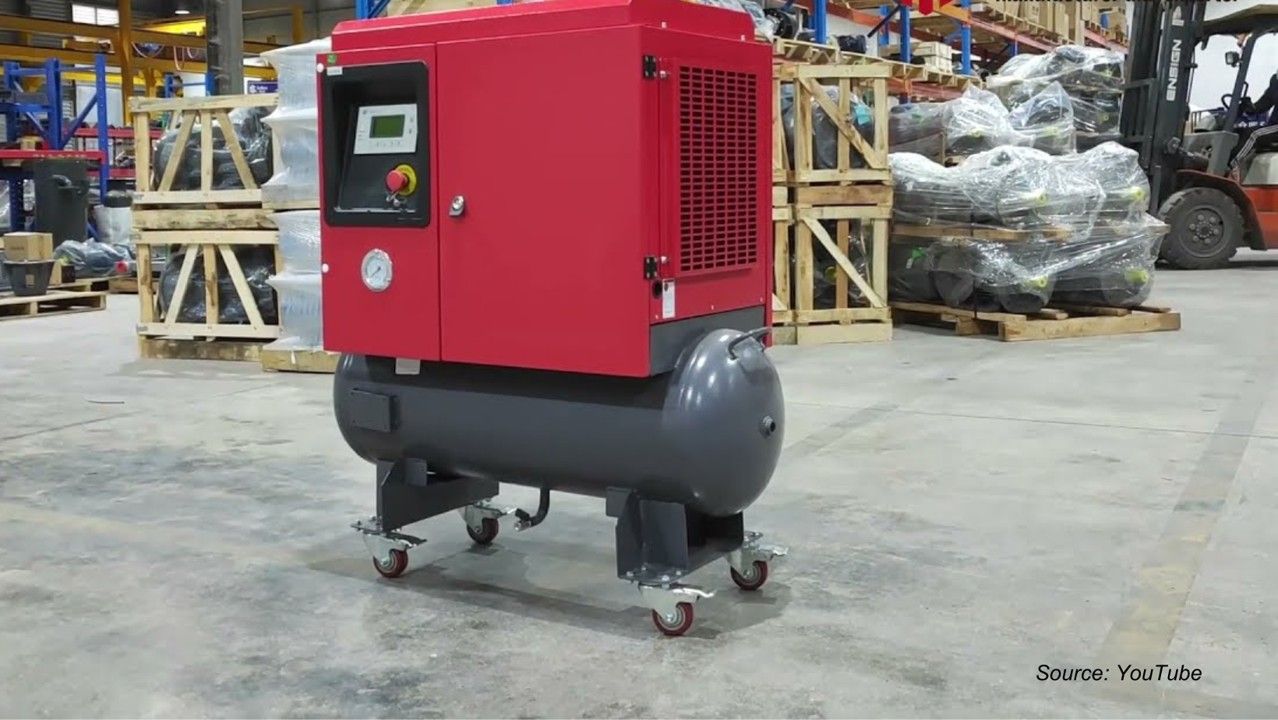
The Germany air compressor market covers the machines and systems that convert electrical or mechanical power into pressurized air, a utility that keeps German manufacturing, automotive, chemical, and food-processing lines running. What is changing is not the basic function of a compressor but the intelligence layered on top of it. Producers are moving away from fixed-speed, run-until-failure equipment toward connected, self-adjusting systems that respond to real plant demand in real time. That shift matters because compressed air is one of the most expensive utilities in an industrial plant, and even small efficiency gains compound quickly across thousands of installed units.
According to Next Move Strategy Consulting, the Germany air compressor market was valued at USD 1.13 billion in 2025 and is estimated at USD 1.30 billion in 2026, before reaching USD 1.85 billion by 2035, expanding at a CAGR of 4.0% from 2026 to 2035. In volume terms, the market stood at 63 thousand units in 2025 and is estimated at 74 thousand units in 2026, before reaching 131 thousand units by 2035, registering a CAGR of 6.51% from 2026 to 2035. Sustained demand from automotive manufacturing, chemical processing, and food and beverage production, together with rising adoption of IoT-enabled monitoring, is forecast to keep the market on this growth path.
For an In-depth Analysis of the Germany Air Compressor Market, Try a FREE Sample.
Why Are IoT Sensors and Cloud Platforms Turning Compressors Into Data-Generating Assets?
Internet of Things connectivity is arguably the single biggest structural shift in this market, because it converts a compressor from a standalone mechanical box into a networked data source. Embedded sensors now track pressure, temperature, vibration, and power draw continuously, streaming that data to cloud dashboards that plant engineers can access from anywhere. This reflects a broader move in German manufacturing toward Industry 4.0 principles, where compressed-air systems are no longer managed in isolation but as part of a connected production environment.
Industry evidence indicates that this connectivity is what enables predictive maintenance, since algorithms trained on sensor data can flag a failing bearing or a developing leak weeks before a breakdown would otherwise occur. For a German automotive plant running compressed air across paint booths, robotics, and pneumatic tooling, an unplanned compressor outage can halt an entire line, which is exactly the kind of costly disruption this monitoring layer is designed to prevent.
Can Artificial Intelligence and Digital Twins Build the Self-Optimizing Compressor Rooms of Tomorrow?
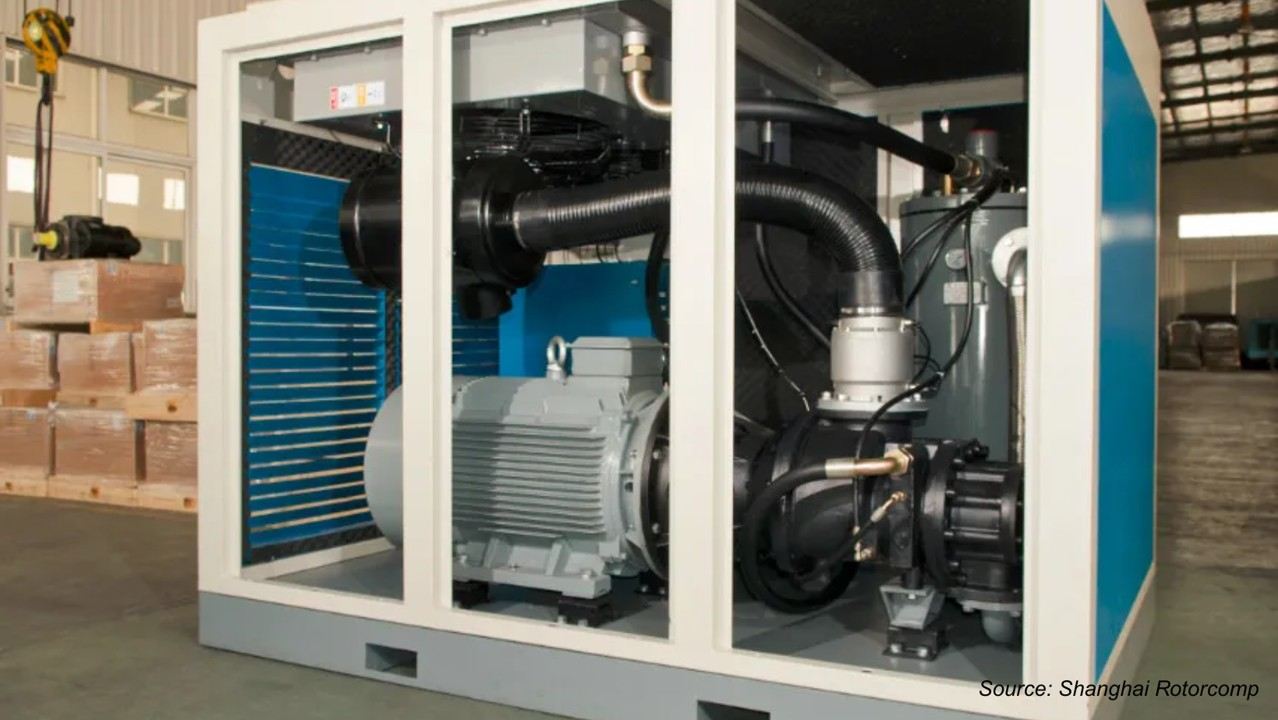
Artificial intelligence is moving compressed-air management from scheduled maintenance toward continuous, adaptive control. Machine-learning models can now analyze historical load patterns across a facility and adjust compressor staging automatically, matching output to actual demand rather than to a fixed operating schedule. The company highlights that this kind of adaptive logic is central to newer product lines entering the German market, where variable-speed and demand-responsive control are increasingly standard rather than optional.
ELGi Equipments illustrates this trend directly. In February 2025, the company unveiled its patented STABILISOR technology, which applies a Recirculate and Recover principle to align compressor capacity precisely with dynamic plant demand, achieving up to 15% in energy savings. This is a good example of how algorithmic control, rather than bigger motors, is now the primary lever for efficiency gains. For example, a facility with fluctuating shift patterns can let the system throttle output during low-demand windows instead of running compressors at full capacity around the clock, which directly reduces electricity costs without requiring new hardware.
Why Is Energy-Efficient Engineering Becoming the Core Competitive Battleground?
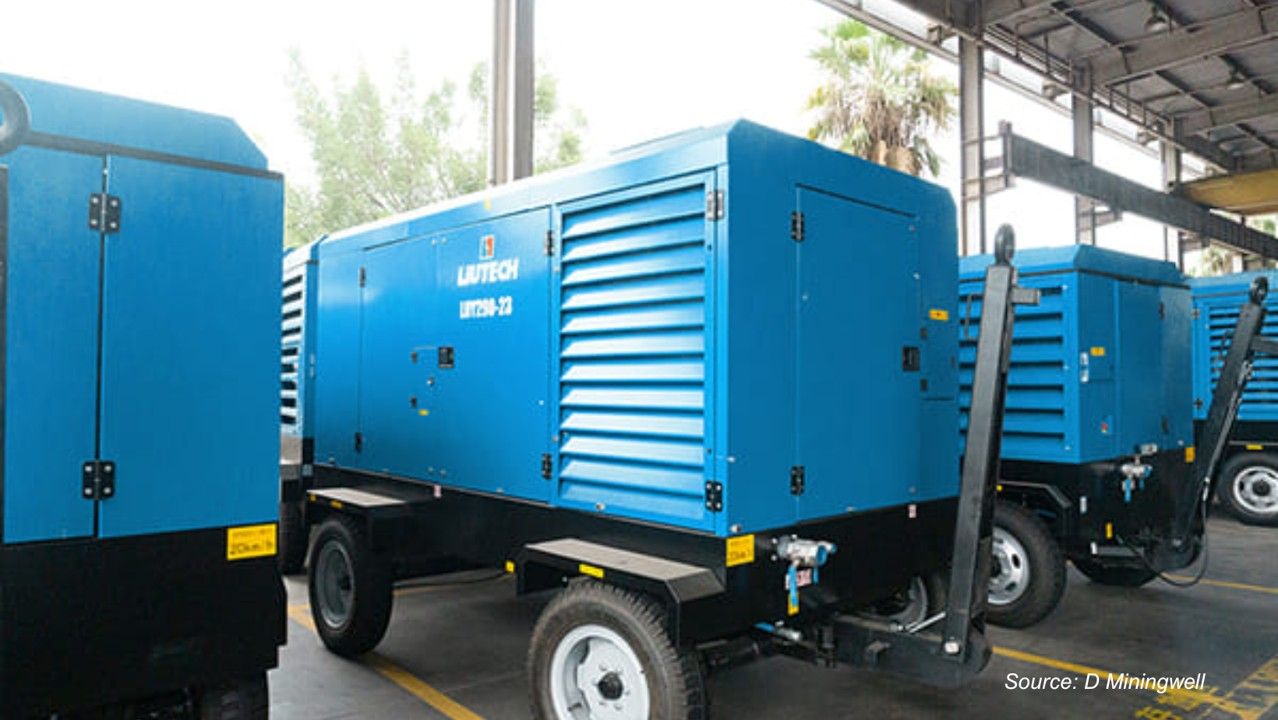
Germany's industrial electricity costs and its regulatory push toward decarbonization make energy efficiency a commercial necessity rather than a marketing claim. Manufacturers are responding with hardware redesigned specifically to cut power draw at the point of compression, not just at the point of control.
Aerzener Maschinenfabrik brought this into sharp focus in March 2026 with the premiere of its next-generation Delta Hybrid screw blowers and Aerzen Turbo blowers, engineered to reduce energy demand by up to 37%. This reflects how blower and compressor architecture itself is being re-engineered, not just retrofitted with smarter controls. RENNER followed a similar path in January 2026, strengthening its position in the Germany air compressor market through the launch of its RSF-PRO direct-drive screw compressor series, which offers higher energy efficiency and supports growing industrial demand for cost-effective compressed-air solutions. Taken together, these launches show that direct-drive architecture and next-generation blower design are becoming the baseline expectation for new installations, rather than a premium add-on.
How Are Acquisitions and Partnerships Reshaping the Competitive Landscape?
Beyond product engineering, corporate consolidation is quietly determining who controls service networks and downstream filtration capacity in this market. Atlas Copco has been especially active on this front. In February 2026, the group acquired German filter distributor Zind Verfahrenstechnik GmbH & Co. KG, strengthening its process filtration solutions and expanding its footprint across the German market. This follows its January 2025 acquisition of Dr. Weigel Anlagenbau GmbH, which extended Atlas Copco's compressed-air solutions and service capabilities within the country. This pattern of sequential, filtration-focused acquisitions suggests that leading suppliers are competing as much on service depth and aftermarket support as they are on the compressors themselves, since a well-serviced installed base tends to generate steadier long-term revenue than one-off equipment sales.
For plant operators, this consolidation trend carries a practical implication: choosing a compressor supplier increasingly means choosing a long-term service and filtration partner, not just a piece of equipment. That dynamic is likely to keep shaping vendor selection criteria across German industry through the rest of this decade.
Who Are the Companies Defining the Germany Air Compressor Market?
Competition in this market spans both German engineering incumbents and international specialists that have built a strong local presence. Leading companies include Kaeser Kompressoren SE, Atlas Copco AB, Ingersoll Rand Inc., BOGE KOMPRESSOREN Otto Boge GmbH & Co. KG, Aerzener Maschinenfabrik GmbH, BAUER KOMPRESSOREN GmbH, ALMiG Kompressoren GmbH, RENNER GmbH Kompressoren, Ing. Enea Mattei S.p.A., J.P. Sauer & Sohn Maschinenbau GmbH, ELGi Equipments Limited, Gebr. Becker GmbH, Mehrer Compression GmbH, HERTZ KOMPRESSOREN GmbH, and Dürr Technik GmbH & Co. KG. This mix of domestic engineering specialists and global players is precisely why Germany continues to function as a proving ground for new compressor technology before it scales across the rest of Europe.
How Are EU Decarbonization Rules Pushing Compressor Buyers Toward Efficiency Upgrades?
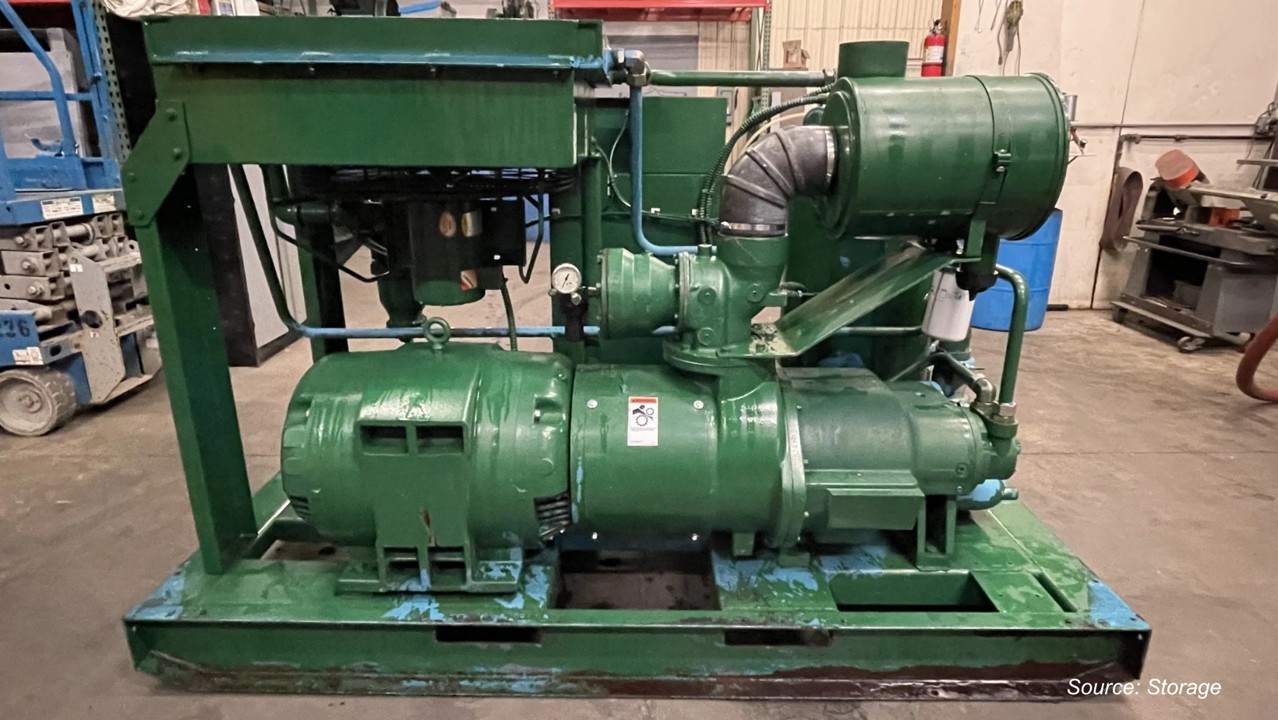
Regulatory pressure is reinforcing the commercial case for efficient compressed-air systems rather than working against it. The FuelEU Maritime Regulation entered into force across the European Union in January 2025, establishing mandatory greenhouse gas intensity reduction requirements for marine fuels, beginning with a 2% reduction target and building a long-term framework for maritime decarbonization. While this rule targets shipping fuels directly, it signals the wider EU trajectory toward tighter emissions accounting across industrial value chains, and German manufacturers exporting through EU ports are already factoring similar carbon-intensity scrutiny into their own energy procurement decisions.
This reflects a pattern seen across other EU industrial policy: compressed-air energy consumption, which can account for a meaningful share of a factory's total electricity bill, is increasingly visible in corporate sustainability reporting. That visibility gives plant managers a second reason, beyond direct cost savings, to prioritize the energy-efficient screw and blower technologies described above when planning capital replacement cycles.
What Does the Road Ahead Look Like for Germany's Compressed-Air Industry?
The direction of this market is now reasonably clear: efficiency gains will keep coming from a combination of smarter software, more efficient drivetrains, and consolidated service networks, rather than from any single breakthrough technology. IoT connectivity supplies the data, AI-driven control turns that data into real-time decisions, and hardware innovations like direct-drive screw designs and next-generation blowers cut the underlying energy demand. Meanwhile, acquisitions are quietly determining which companies control the filtration and service layer that keeps all of this equipment running reliably.
For manufacturers, distributors, and investors watching this space, the practical takeaway is that compressed-air purchasing decisions are no longer just about upfront price or airflow specifications. They increasingly hinge on a supplier's software capability, energy-efficiency credentials, and depth of service infrastructure, a shift that is likely to keep reshaping competitive positioning across the Germany air compressor market through 2030 and beyond.
About the Author
 Saista Faiyaz
— Saista Faiyaz is Research Associate at Next Move Strategy Consulting, where she has covered consumer markets and healthcare technologies for 3 years. Her work includes primary interview review, secondary-source validation, market sizing, and structured analysis of company and industry data. She supports research by comparing evidence across sources, organizing findings into market narratives, and documenting assumptions used in analysis. Her scope includes cross-market benchmarking, and reports.
Saista Faiyaz
— Saista Faiyaz is Research Associate at Next Move Strategy Consulting, where she has covered consumer markets and healthcare technologies for 3 years. Her work includes primary interview review, secondary-source validation, market sizing, and structured analysis of company and industry data. She supports research by comparing evidence across sources, organizing findings into market narratives, and documenting assumptions used in analysis. Her scope includes cross-market benchmarking, and reports.
About the Reviewer
 Supradip Baul
— Supradip Baul is an accomplished business consultant and strategist with over a decade of rich experience in market intelligence, strategy, technology, and business transformation. His work has included rigorous qualitative and quantitative analysis across multiple industries, helping clients shape investment decisions and long-term roadmaps. Earlier in his career, he was associated with Gartner, where he contributed to industry-leading reports and market share analyses. He has worked with leading global companies and holds an MBA with a dual specialization in Marketing and Finance.
Supradip Baul
— Supradip Baul is an accomplished business consultant and strategist with over a decade of rich experience in market intelligence, strategy, technology, and business transformation. His work has included rigorous qualitative and quantitative analysis across multiple industries, helping clients shape investment decisions and long-term roadmaps. Earlier in his career, he was associated with Gartner, where he contributed to industry-leading reports and market share analyses. He has worked with leading global companies and holds an MBA with a dual specialization in Marketing and Finance.

















Add Comment