How Is Human-Centered AI Redefining Technology for Human Progress?
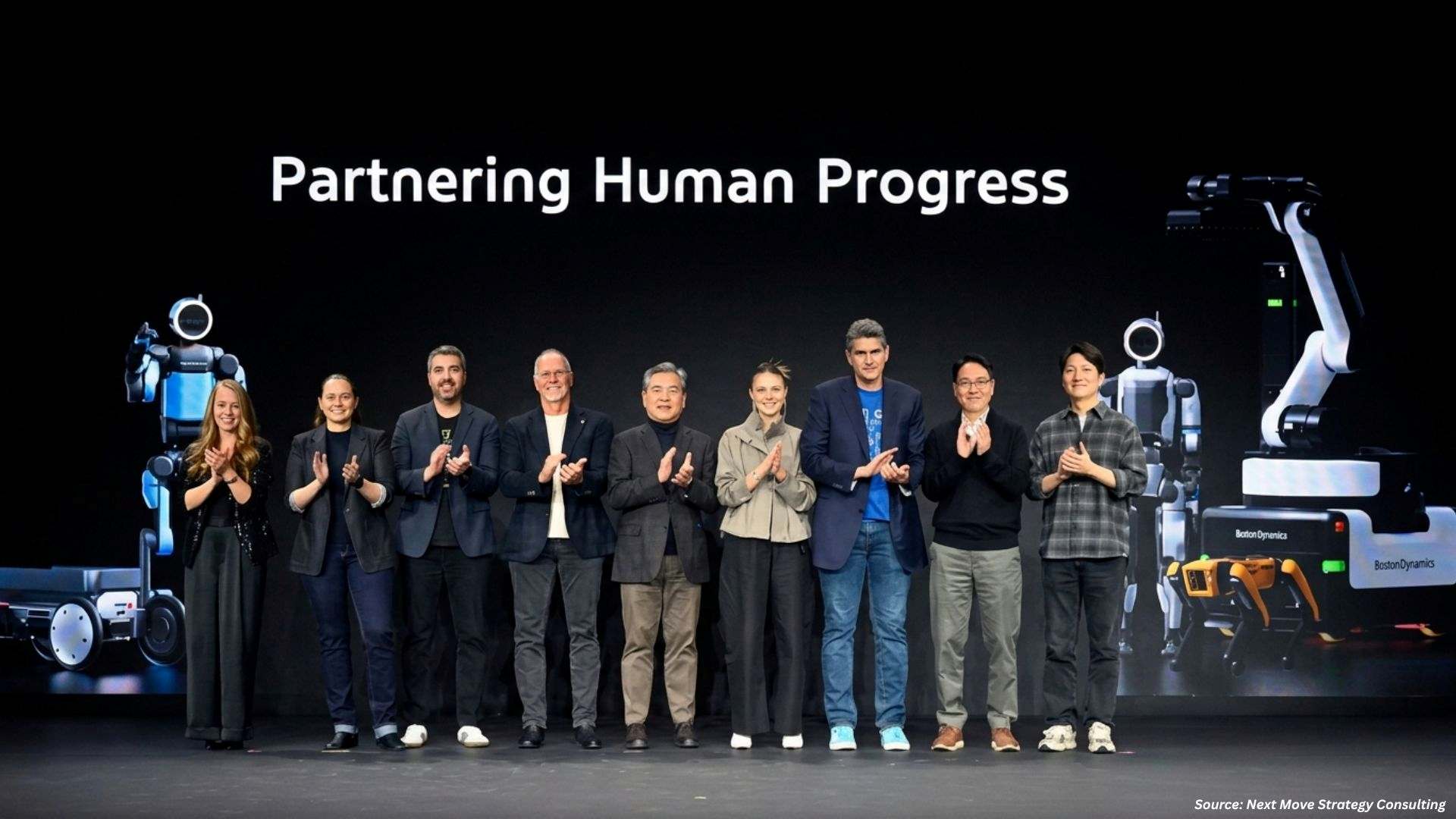
Human-centered AI is emerging as a new direction in technology where artificial intelligence is designed to work with people, not just for automation. It focuses on collaboration, safety, and improving human capabilities while ensuring that ethical and social values remain central.
Recent developments from Hyundai Motor Group and UNESCO show how AI is moving beyond pure automation into systems that support human work, decision-making, and long-term societal well-being.
What Is Driving the Shift Toward Human-Centered AI Robotics?
The shift toward Human-Centered AI is strongly influenced by advancements in robotics and industrial automation. Hyundai Motor Group’s AI Robotics strategy highlights a future where robots and humans collaborate in real-world environments such as manufacturing plants.
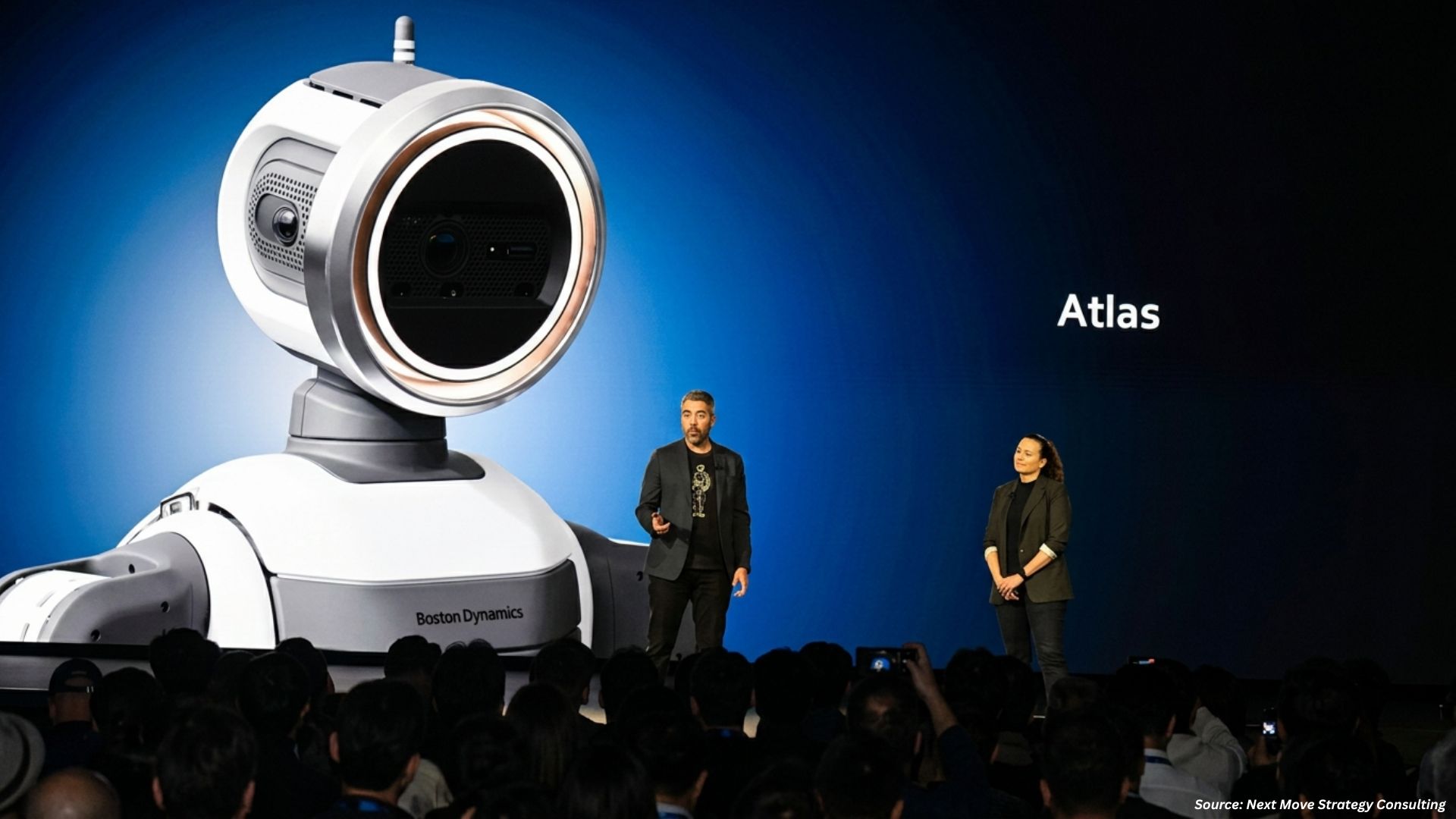
In this approach, robots are designed to assist with repetitive and physically demanding tasks, especially in industrial settings. For example, humanoid robotics systems like Atlas are being developed to support tasks such as material handling, sequencing, and assembly in factories. The goal is to reduce human physical strain while improving safety and efficiency.
Alongside this, global organizations like UNESCO emphasize that AI must be guided by human rights, ethics, and sustainability to ensure that innovation benefits everyone equally.
Key Components of the Human-Centered AI Ecosystem
|
Component |
Description |
Impact on Humans |
|
Collaborative Robotics |
Robots designed to work alongside humans in shared environments |
Reduces physical workload and enhances safety |
|
Industrial AI Integration |
AI systems embedded into manufacturing and logistics processes |
Improves efficiency and operational accuracy |
|
Ethical AI Governance |
Frameworks ensuring fairness, transparency, and accountability |
Builds trust and protects human rights |
|
Data-Driven Learning Systems |
Continuous improvement using real-world data from operations |
Enhances performance and adaptability |
|
Sustainable AI Models |
Energy-efficient AI systems with reduced environmental impact |
Supports long-term ecological balance |
The Human-Centered AI Ecosystem in Action
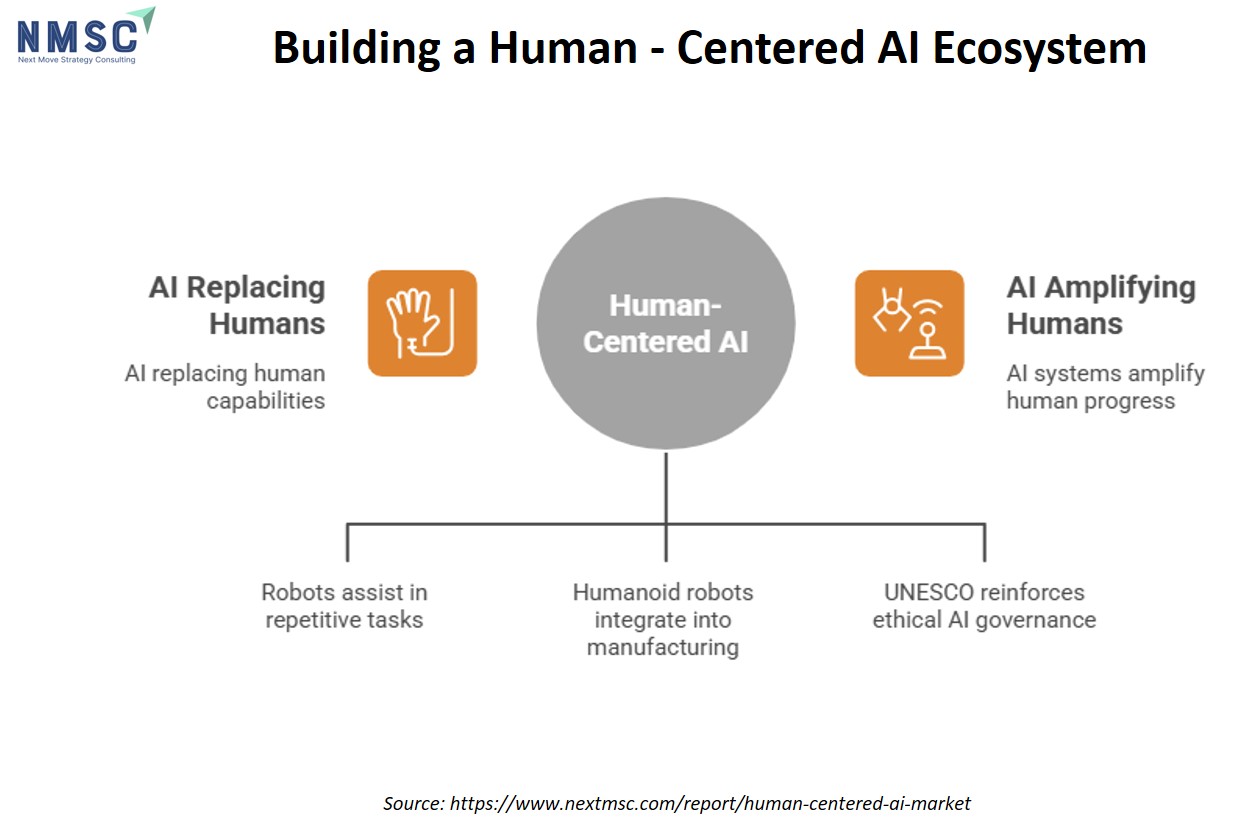
Human-centered AI is shaping a new ecosystem where robotics, ethics, and global collaboration work together to enhance human capability rather than replace it. In industrial environments, AI-powered robots are increasingly being designed to assist humans in repetitive and high-risk tasks, improving safety, precision, and productivity. At the same time, organizations like Hyundai Motor Group are advancing AI robotics systems that integrate humanoid robots into manufacturing ecosystems, enabling real-world collaboration between humans and machines. Parallelly, UNESCO reinforces the importance of ethical AI governance, ensuring that innovation remains aligned with human rights, transparency, and inclusivity. Together, these developments reflect a unified shift toward AI systems that are not only intelligent but also responsible, sustainable, and human-focused, creating a balanced future where technology amplifies human progress across industries and societies.
How Is Human-Centered AI Transforming Industrial Robotics?
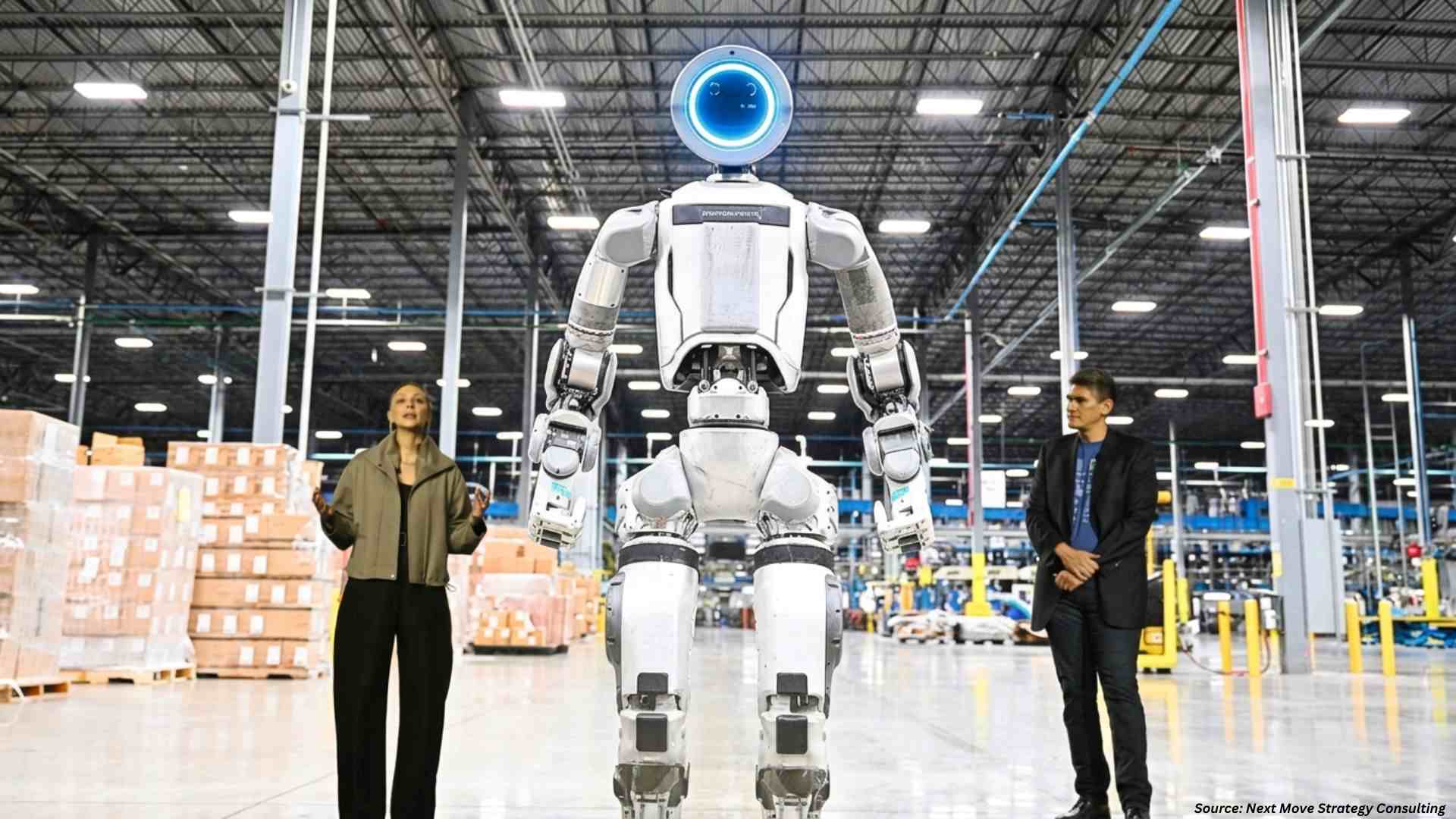
Industrial robotics is rapidly evolving into more adaptive and collaborative systems. Hyundai Motor Group’s approach demonstrates how AI-powered robots are being integrated into manufacturing and logistics environments to work alongside humans.
Advanced humanoid robots are being designed with greater mobility, precision, and adaptability, allowing them to operate in complex industrial spaces. These robots are intended to perform repetitive or high-risk tasks, improving workplace safety and productivity.
At the same time, existing robotic systems are already being used in real-world applications such as warehouse operations, safety inspections, and material handling, showing that human-centered robotics is moving from concept to practice.
Human-Centered AI Applications Across Industries
|
Industry |
AI Application |
Human-Centered Benefit |
|
Manufacturing |
Humanoid robots for assembly and sequencing |
Safer work environments and reduced fatigue |
|
Logistics |
Warehouse automation and inspection robots |
Faster operations with lower physical strain |
|
Judiciary |
AI-assisted legal research and case management |
Improved efficiency and access to information |
|
Energy & Utilities |
AI for monitoring and predictive maintenance |
Increased safety and operational reliability |
|
Public Governance |
Ethical AI frameworks and policy development |
Ensures fairness, accountability, and inclusion |
Why Is Ethics Central to Human-Centered AI Development?
Ethics is a core pillar of Human-Centered AI. As AI becomes more widely used in critical areas like governance, industry, and public services, ensuring responsible use becomes essential.
UNESCO highlights the importance of human rights–based AI development, where fairness, accountability, and transparency guide how AI systems are designed and deployed. It also emphasizes that many institutions still lack proper training and governance structures for responsible AI use, creating a need for stronger global frameworks.
The focus is not only on building smarter AI systems but also on ensuring that humans remain in control of how these systems are used.
How Are Global Partnerships Accelerating Human-Centered AI?
Human-centered AI is advancing through collaboration between technology companies, research institutions, and global organizations.
Industrial leaders are working together to combine robotics, artificial intelligence, and large-scale manufacturing expertise. These collaborations help accelerate the development of advanced humanoid robots and improve their real-world applications.
At the same time, international organizations are promoting sustainable and energy-efficient AI systems that reduce environmental impact while maintaining performance. This combined effort ensures that AI innovation progresses responsibly and efficiently.
Core Pillars Driving Human-Centered AI
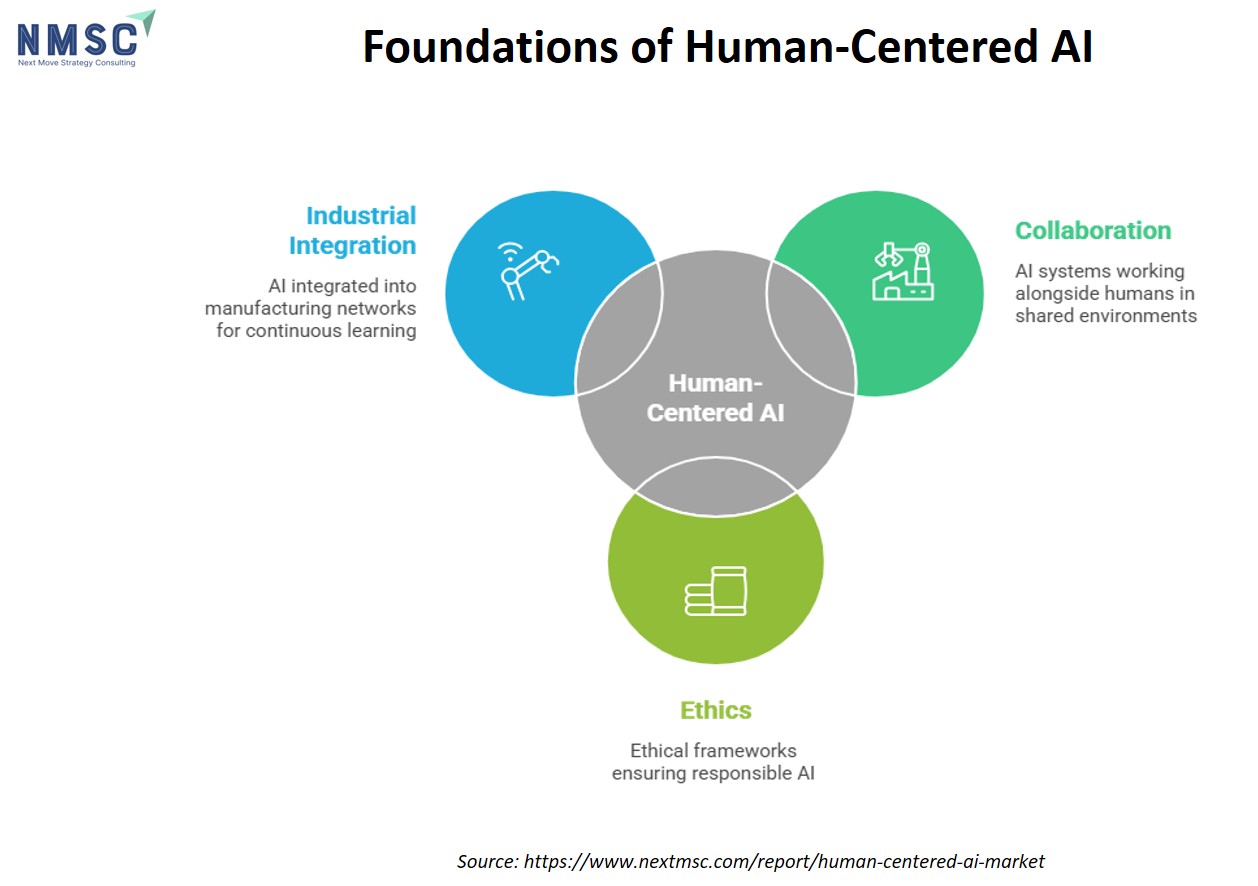
Human-centered AI is built on three core pillars that are reshaping the future of technology: collaboration, ethics, and real-world industrial integration. In modern robotics ecosystems, AI systems are increasingly designed to work alongside humans in shared environments, particularly in manufacturing and logistics, where they handle repetitive and physically demanding tasks to improve safety and efficiency. At the same time, ethical frameworks promoted by global institutions emphasize the need for transparency, accountability, and human rights–based governance to ensure responsible AI deployment. Supporting these advancements are large-scale industry initiatives that integrate AI with manufacturing networks, enabling continuous learning from real-world data and improving system performance over time. Together, these pillars demonstrate how Human-Centered AI is evolving into a balanced model that strengthens productivity while keeping human well-being at the center of innovation.
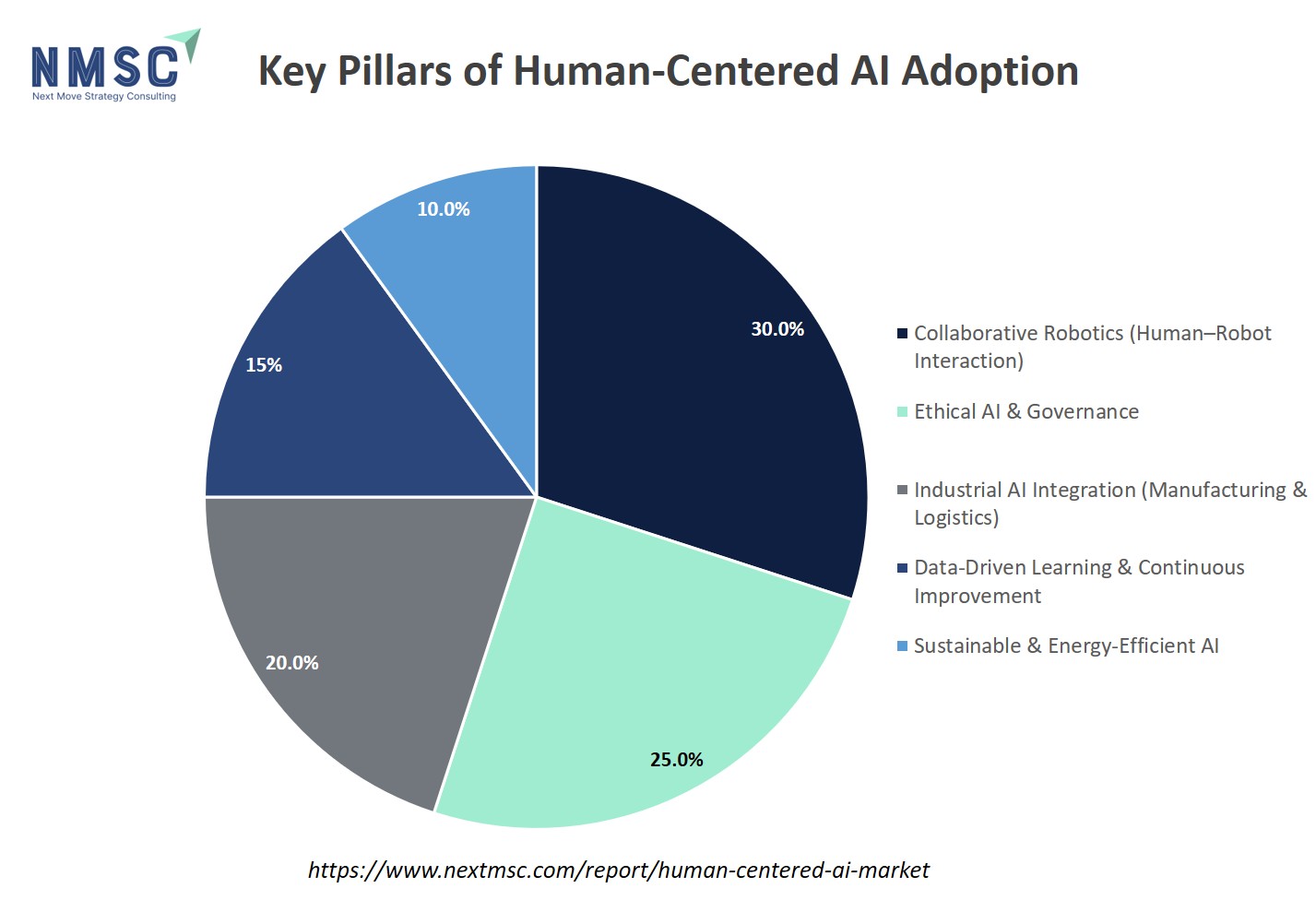
The Distribution of Human-Centered Ai Priorities
The pie chart highlights how different elements contribute to the development of Human-Centered AI, with collaborative robotics taking the lead at 30%. This reflects the growing emphasis on designing AI systems that work alongside humans, especially in industrial and real-world environments. Ethical AI and governance account for 25%, showing that responsibility, transparency, and human rights are central to AI adoption. Industrial AI integration holds 20%, indicating the increasing use of AI in manufacturing and logistics to improve efficiency and safety. Data-driven learning represents 15%, emphasizing the role of continuous improvement through real-world data. Finally, sustainable and energy-efficient AI makes up 10%, signaling a rising focus on reducing environmental impact while advancing AI technologies.
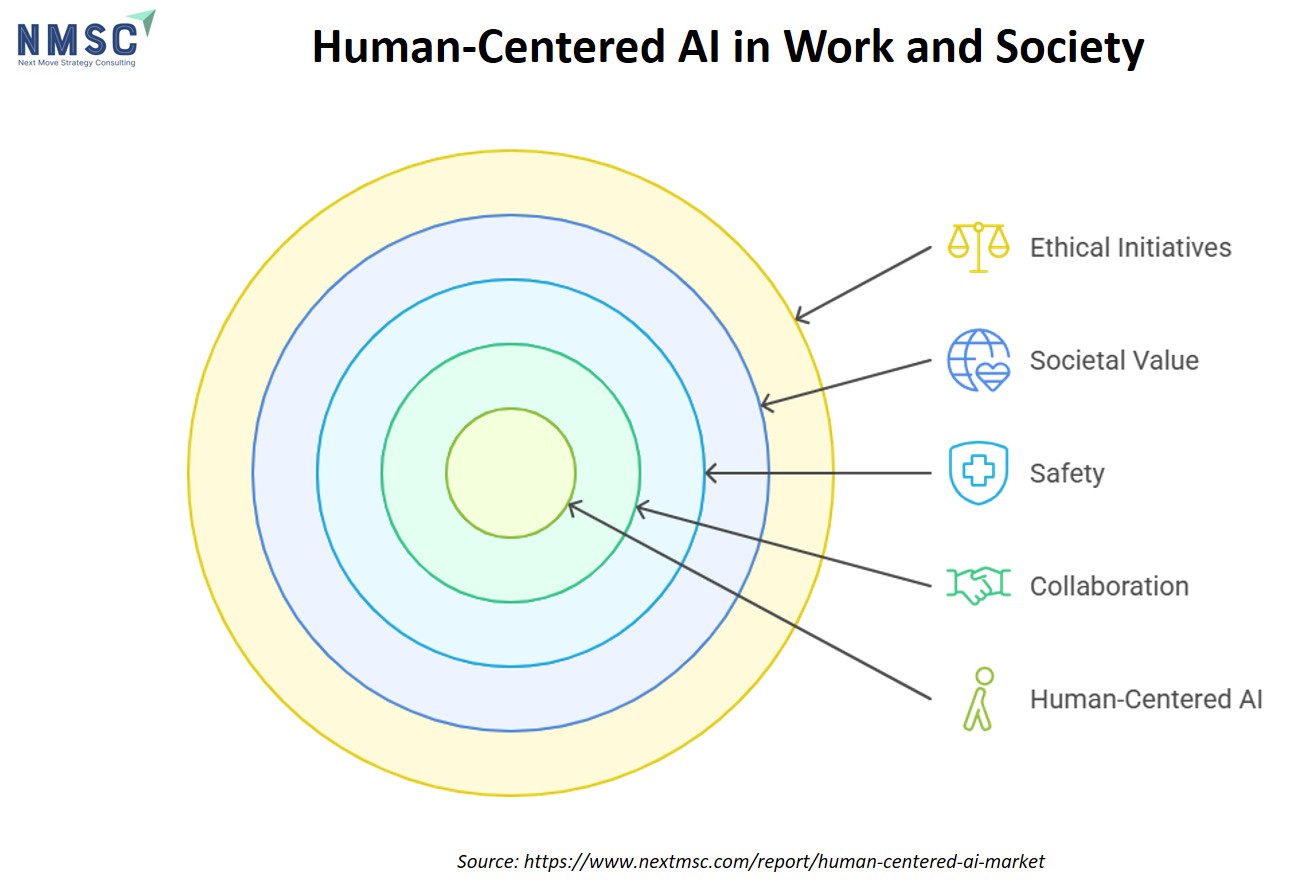
Human-Centered AI Shaping the Future of Work and Society
Human-centered AI is transforming the relationship between humans and machines by creating systems that prioritize collaboration, safety, and long-term societal value. In advanced industrial environments, AI-powered robotics are being developed to support human workers by taking over repetitive, physically intensive, and high-risk tasks, allowing people to focus on higher-value decision-making and oversight. This shift is being driven by large-scale innovation efforts in robotics and manufacturing ecosystems, where real-world data is continuously used to improve machine learning and operational efficiency. At the same time, global ethical initiatives emphasize that AI must remain aligned with human rights, transparency, and accountability to ensure that technological progress does not come at the cost of fairness or inclusion. Together, these developments highlight a future where AI is not just a tool for automation but a partner in progress, enabling industries and societies to become more efficient, resilient, and human-focused.
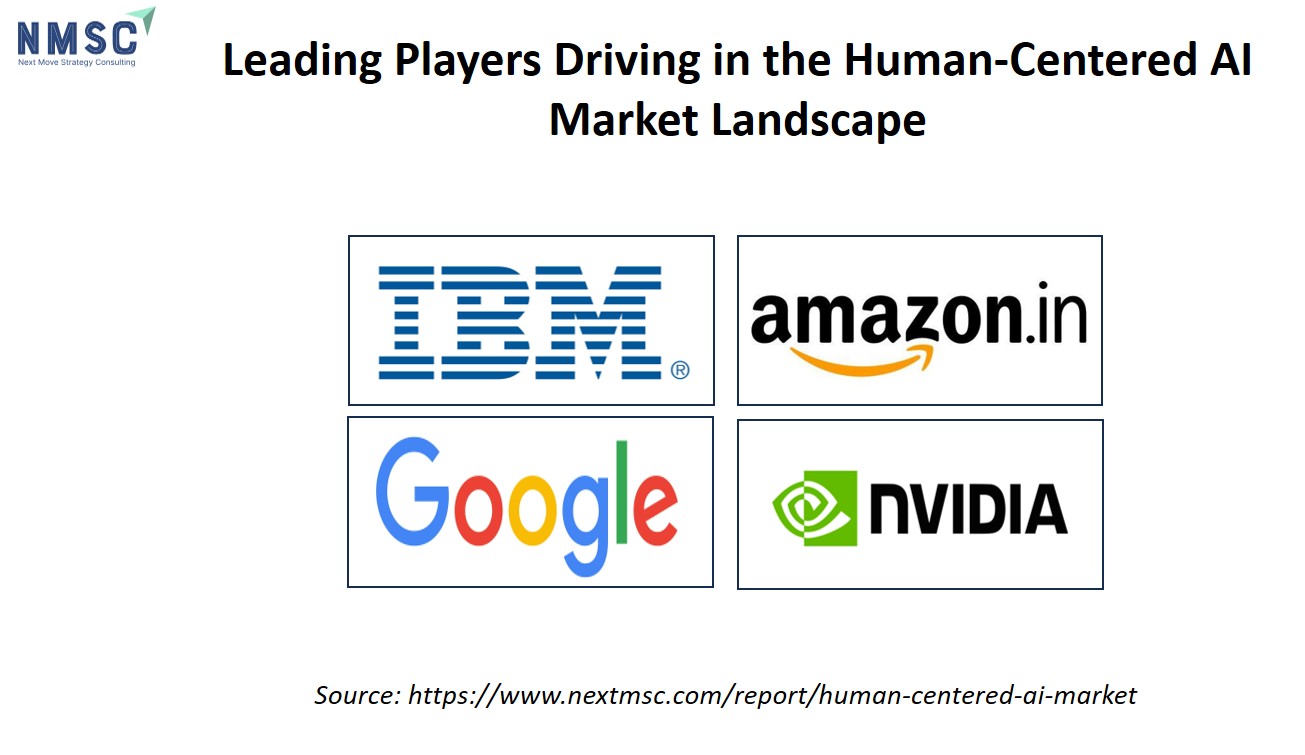
Leading Players Driving Innovation in Human-Centered AI
The human-centered AI landscape is shaped by major technology companies such as IBM Corporation, Microsoft Corporation, Google LLC, Amazon Inc., Apple Inc., NVIDIA Corporation, SAP SE, Nuance Communications, Salesforce, and Zebra Technologies, among others. These organizations are actively strengthening their market position through continuous innovation, product launches, and regional expansion strategies. By investing in advanced AI capabilities and user-focused solutions, they are reinforcing their leadership while accelerating the adoption of human-centered AI across diverse industries.
What Are the Major Trends Shaping Human-Centered AI?
Several key trends are defining the future of Human-Centered AI.
AI is increasingly being embedded into industrial robotics and manufacturing systems. Robots are becoming more capable of working in shared human environments, especially in factories and logistics operations.
There is also a strong shift toward ethical AI governance, ensuring that systems are transparent, fair, and accountable. In addition, sustainability is becoming an important factor, with a focus on reducing the energy consumption of AI systems.
These trends show that AI is evolving into a balanced system that combines intelligence, responsibility, and environmental awareness.
Next Steps: What Should Stakeholders Focus On?
To fully realize the benefits of Human-Centered AI, stakeholders should focus on practical and responsible implementation:
-
Build clear governance frameworks for AI use across industries
-
Strengthen training programs for human–AI collaboration
-
Encourage ethical and responsible AI development practices
-
Support energy-efficient and sustainable AI innovation
-
Promote collaboration between governments, industries, and research institutions
Final Outlook
Human-centered AI represents a major shift in how technology is designed and used. It moves beyond automation to create systems that actively support human work, improve safety, and enhance decision-making.
With advancements in robotics and global emphasis on ethical governance, AI is evolving into a collaborative force that prioritizes human well-being. This direction ensures that future innovation remains both technologically advanced and socially responsible.
About the Author
 Sanyukta Deb
— Sanyukta Deb is Digital Marketing Team Lead at Next Move Strategy Consulting, where she has led content strategy and technical SEO for the firm's B2B market research publications for over 2 years. Her editorial process translates NextMSC's primary and secondary research — spanning technology, industrial, and consumer sectors — into commercial narratives, backed by search-intent, keyword, and competitive analysis. She brings 5 years of overall experience in digital marketing and content strategy.
Sanyukta Deb
— Sanyukta Deb is Digital Marketing Team Lead at Next Move Strategy Consulting, where she has led content strategy and technical SEO for the firm's B2B market research publications for over 2 years. Her editorial process translates NextMSC's primary and secondary research — spanning technology, industrial, and consumer sectors — into commercial narratives, backed by search-intent, keyword, and competitive analysis. She brings 5 years of overall experience in digital marketing and content strategy.
About the Reviewer
 Debashree Dey
— Debashree Dey is Assistant Manager at Next Move Strategy Consulting, where she supports cross-vertical market content and communications across diverse industries for 6 years. Her professional background includes senior content writing, communications, and published manuscript authorship, with experience developing audience-focused business narratives and maintaining clear, consistent messaging. Her role supports research-led content development and editorial quality across NextMSC publications.
Debashree Dey
— Debashree Dey is Assistant Manager at Next Move Strategy Consulting, where she supports cross-vertical market content and communications across diverse industries for 6 years. Her professional background includes senior content writing, communications, and published manuscript authorship, with experience developing audience-focused business narratives and maintaining clear, consistent messaging. Her role supports research-led content development and editorial quality across NextMSC publications.

















Add Comment