What Is AI Robots Technology and Why Does It Matter in Aerospace Manufacturing in 2026?
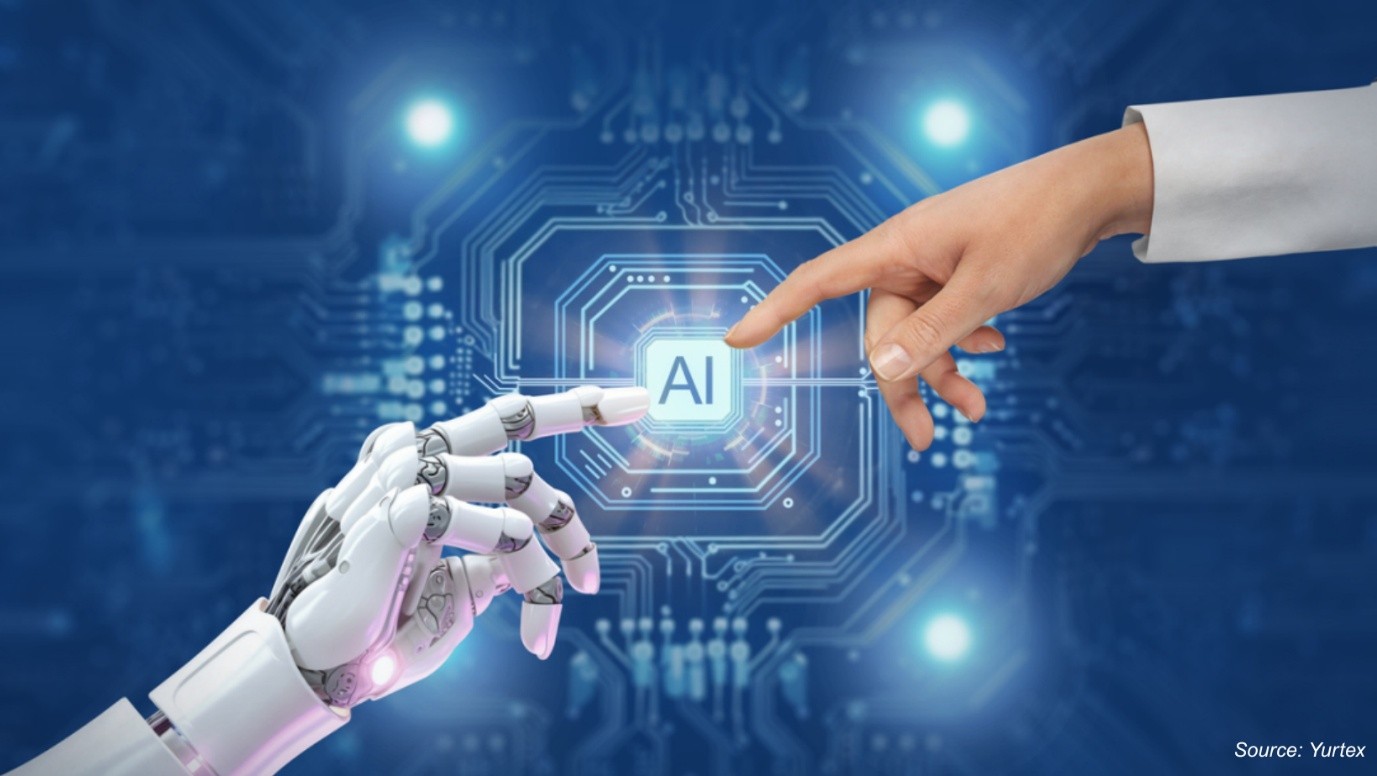
AI Robots Market is entering a new phase of industrial transformation. Instead of operating as isolated automation tools, modern robotic systems are becoming intelligent collaborators capable of understanding human movement, adapting to complex environments, and improving industrial efficiency in real time.
This shift is particularly visible in aerospace manufacturing and industrial robotics, where companies are investing heavily in Physical AI technologies that combine predictive intelligence with human oversight. Recent developments from Swiss start-up Algorized and findings from the Future-Ready Skies Study 2025 by Tata Consultancy Services (TCS) show that industries are no longer focused solely on replacing workers with machines. The real objective is creating safer, faster, and more resilient operations through human-AI collaboration.
How Are AI Robots Reshaping Industrial Automation?
Traditional industrial robots have long relied on rigid programming and stop-based safety mechanisms. However, the latest generation of AI Robots is designed to interpret surroundings dynamically and respond to human movement with significantly lower latency.
Swiss Physical AI company Algorized recently secured $13 million in Series A funding to accelerate the deployment of its predictive safety platform across industrial sectors. The company uses wireless sensor infrastructure such as Ultra-Wideband (UWB), mmWave, and Wi-Fi systems to help robots understand environments without depending entirely on camera-based vision technologies.
This approach allows machines to function effectively even in environments affected by darkness, dust, or physical obstructions. More importantly, it enables robots to continue operating safely around human workers without unnecessary production interruptions.
According to Algorized CEO Natalya Lopareva, even a 100-millisecond delay in industrial environments can trigger costly emergency stops. To address this issue, the company developed an edge-native AI engine capable of processing environmental data directly on-site rather than relying on slower centralized systems.
The broader significance of this innovation lies in the rise of Physical AI. Unlike generative AI, which focuses on language and digital interaction, Physical AI enables machines to interpret physical environments and human intent in real time. This capability is becoming increasingly valuable in manufacturing, logistics, and aerospace operations where safety and precision are critical.
Why Is Aerospace Manufacturing Investing in AI Robots?
The aerospace industry is emerging as one of the strongest adopters of AI-powered automation technologies. According to the TCS Future-Ready Skies Study 2025, aerospace executives believe artificial intelligence will significantly reshape manufacturing operations by 2035.
The study surveyed 323 senior aerospace leaders across Europe and North America and found that one in three executives view AI-driven real-time decision-making as the most important force influencing future aircraft manufacturing.
Despite increasing automation investments, industry leaders do not expect fully autonomous factories to dominate the sector anytime soon. On average, executives believe only 40% of aerospace operations will become fully automated within the next five to seven years. Around 60% of production is still expected to depend on human expertise.
This reflects the unique demands of aerospace manufacturing, where safety, regulatory compliance, engineering precision, and problem-solving remain highly dependent on skilled professionals. AI Robots are therefore being positioned as collaborative systems that support workers rather than replace them.
The same trend is visible in aircraft maintenance, repair, and overhaul operations. Aerospace companies are increasingly adopting predictive analytics and AI-driven diagnostics to improve maintenance efficiency. However, only 2% of executives surveyed believe maintenance processes will become fully autonomous by 2030.
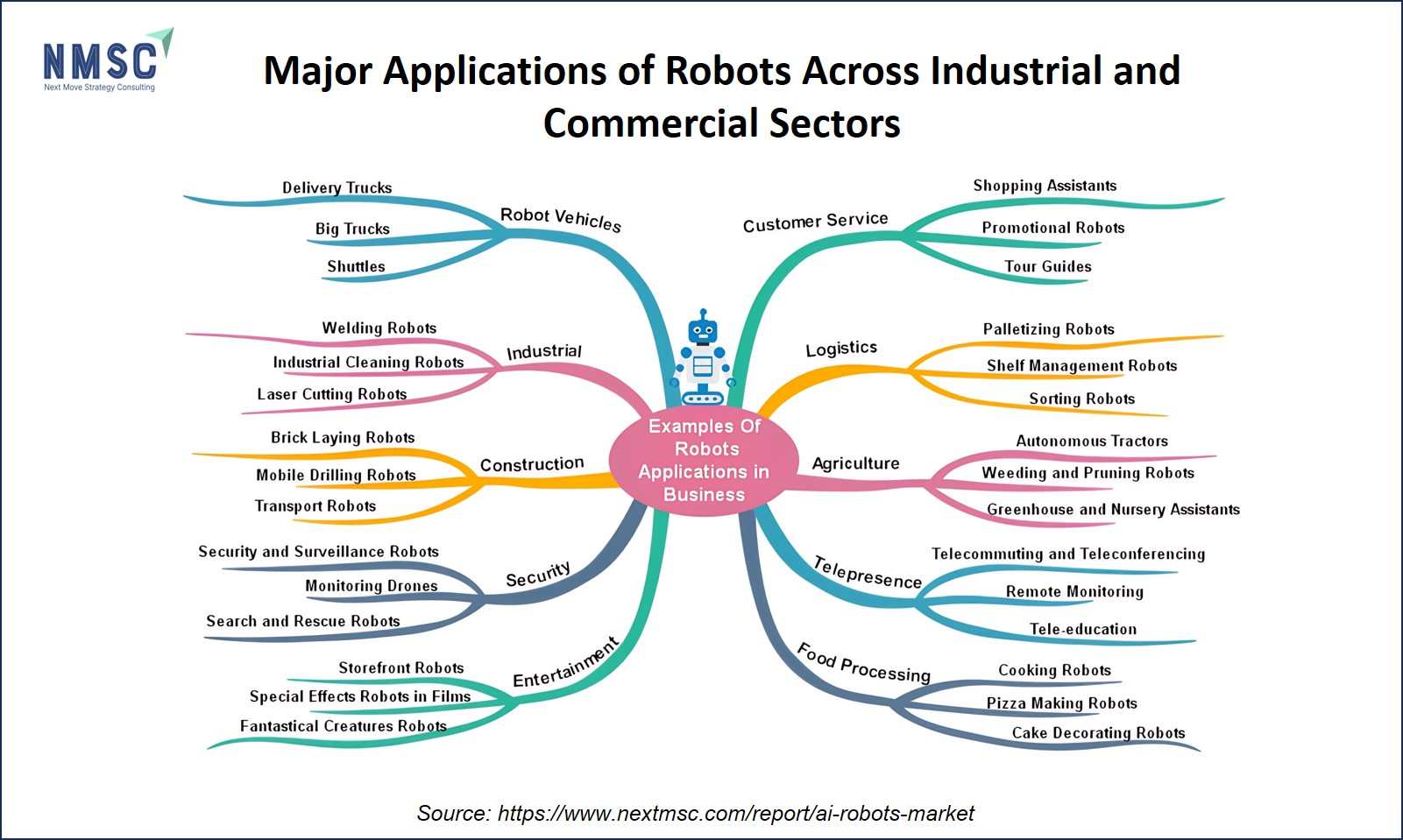
How Is AI Changing Aerospace Supply Chains?
Supply chain resilience has become a major priority across the aerospace sector, especially as global disruptions continue to expose operational vulnerabilities.
The TCS study revealed that fewer than one-third of aerospace companies believe they could replace a critical supplier within 30 days if a disruption occurred. This limitation is driving stronger interest in AI-driven supply chain management systems.
According to the study, 63% of executives are prepared to allow advanced “agentic AI” systems to manage supply chain operations. Yet only 6% are currently using these technologies in practice. This gap highlights a growing willingness to trust AI with critical business functions while also demonstrating the implementation challenges companies still face.
AI Robots and intelligent automation systems can support supply chain resilience by improving operational visibility, accelerating decision-making, and reducing dependency on manual coordination processes. However, executives continue to emphasize that successful AI adoption depends heavily on reliable and connected data infrastructure.
This reinforces a broader industry reality: AI systems are only as effective as the operational ecosystems supporting them.
Competitive Landscape of the AI Robots Industry
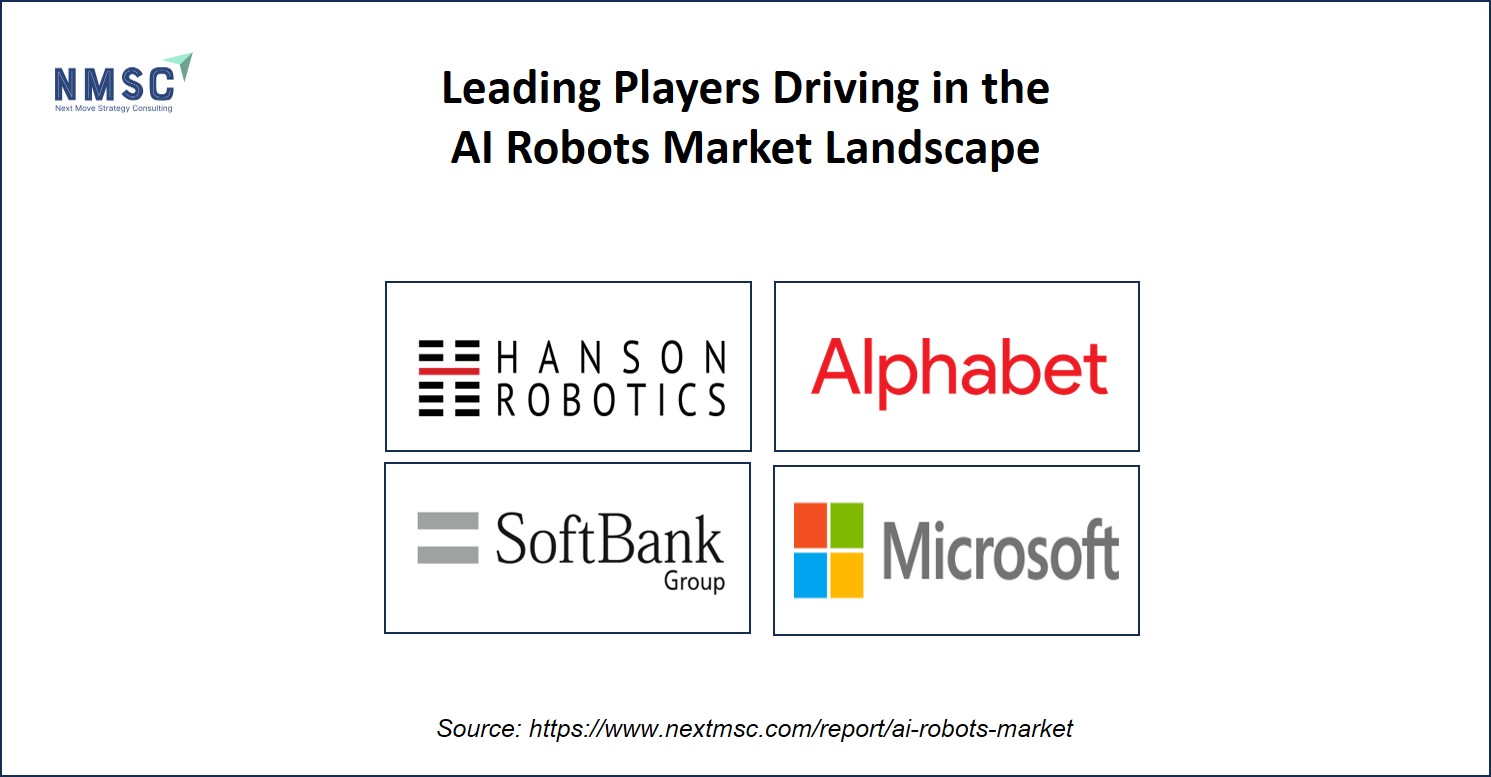
Major companies operating in the AI robots industry include SoftBank Group Corp, Hanson Robotics Limited, Microsoft Corporation, Alphabet Inc., ABB, FANUC Corporation, Starship Technologies, iRobot Corporation, Boston Dynamics, and NVIDIA Corporation.
These companies are actively strengthening their market position through strategic initiatives such as partnerships, joint ventures, technology collaborations, and new product launches across multiple regions. Their focus remains on expanding AI-driven robotics capabilities, accelerating automation adoption, and enhancing competitive advantage in the evolving global AI robots industry.
Industry Impact Analysis
The rise of AI Robots is influencing industrial strategy across manufacturing, logistics, workforce planning, and investment decisions.
Operationally, predictive AI systems can reduce workflow interruptions and improve manufacturing continuity. In industries such as aerospace, where delays are costly and safety standards are strict, this creates measurable strategic value.
From a workforce perspective, the emphasis is increasingly on augmentation rather than replacement. Companies continue to require skilled engineers, technicians, and operators capable of supervising AI-enabled systems and responding to complex operational challenges.
The investment landscape is also shifting rapidly. The participation of the Amazon Industrial Innovation Fund in Algorized’s funding round signals growing institutional interest in scalable Physical AI platforms with immediate commercial applications.
At the same time, organizations still face challenges involving implementation costs, system integration complexity, workforce adaptation, and regulatory oversight. Trust in autonomous decision-making systems also remains an important barrier to broader adoption.
Future Outlook
AI Robots are expected to become foundational technologies across industrial manufacturing and aerospace operations over the next decade. However, the industry direction suggests that the future will not revolve around fully autonomous factories.
Instead, organizations are building toward collaborative ecosystems where AI systems enhance human decision-making, improve operational precision, and strengthen resilience across production and supply chain networks.
Physical AI, predictive safety systems, and edge-native computing are likely to become increasingly important competitive differentiators. Companies capable of integrating these technologies effectively while maintaining workforce trust and operational transparency may achieve stronger long-term performance.
At the same time, modernization efforts will continue to depend on regulatory alignment, infrastructure readiness, and skilled workforce development.
Next Steps
Business leaders evaluating AI Robots adoption should begin by identifying operational bottlenecks where predictive automation can deliver measurable efficiency gains. Companies should also assess their data infrastructure readiness, workforce training capabilities, and long-term integration strategy before scaling deployment initiatives.
Organizations that prioritize human-AI collaboration models instead of purely autonomous systems may be better positioned to navigate future industrial transformation.
-
Modernize data infrastructure to support real-time decision-making
-
Develop phased AI integration strategies instead of full automation transitions
-
Monitor regulatory and compliance developments related to industrial AI deployment
-
Prioritize scalable AI solutions with measurable operational return on investment
Conclusion
AI Robots are redefining how industrial environments operate by combining predictive intelligence with real-time human awareness. In aerospace manufacturing especially, companies are moving beyond traditional automation toward collaborative systems capable of improving safety, operational continuity, and supply chain resilience.
The latest industry developments show that the future of industrial robotics will not be shaped by machines alone. Human expertise remains central to ensuring precision, trust, and adaptability in increasingly complex operational environments.
As Physical AI technologies continue to mature, AI Robots are likely to become essential components of modern industrial strategy and long-term manufacturing competitiveness.
About the Author
 Sanyukta Deb
— Sanyukta Deb is Digital Marketing Team Lead at Next Move Strategy Consulting, where she has led content strategy and technical SEO for the firm's B2B market research publications for over 2 years. Her editorial process translates NextMSC's primary and secondary research — spanning technology, industrial, and consumer sectors — into commercial narratives, backed by search-intent, keyword, and competitive analysis. She brings 5 years of overall experience in digital marketing and content strategy.
Sanyukta Deb
— Sanyukta Deb is Digital Marketing Team Lead at Next Move Strategy Consulting, where she has led content strategy and technical SEO for the firm's B2B market research publications for over 2 years. Her editorial process translates NextMSC's primary and secondary research — spanning technology, industrial, and consumer sectors — into commercial narratives, backed by search-intent, keyword, and competitive analysis. She brings 5 years of overall experience in digital marketing and content strategy.
About the Reviewer
 Debashree Dey
— Debashree Dey is Assistant Manager at Next Move Strategy Consulting, where she supports cross-vertical market content and communications across diverse industries for 6 years. Her professional background includes senior content writing, communications, and published manuscript authorship, with experience developing audience-focused business narratives and maintaining clear, consistent messaging. Her role supports research-led content development and editorial quality across NextMSC publications.
Debashree Dey
— Debashree Dey is Assistant Manager at Next Move Strategy Consulting, where she supports cross-vertical market content and communications across diverse industries for 6 years. Her professional background includes senior content writing, communications, and published manuscript authorship, with experience developing audience-focused business narratives and maintaining clear, consistent messaging. Her role supports research-led content development and editorial quality across NextMSC publications.
















Add Comment