Why is the Pet Clothing Market Seeing Unprecedented Growth?
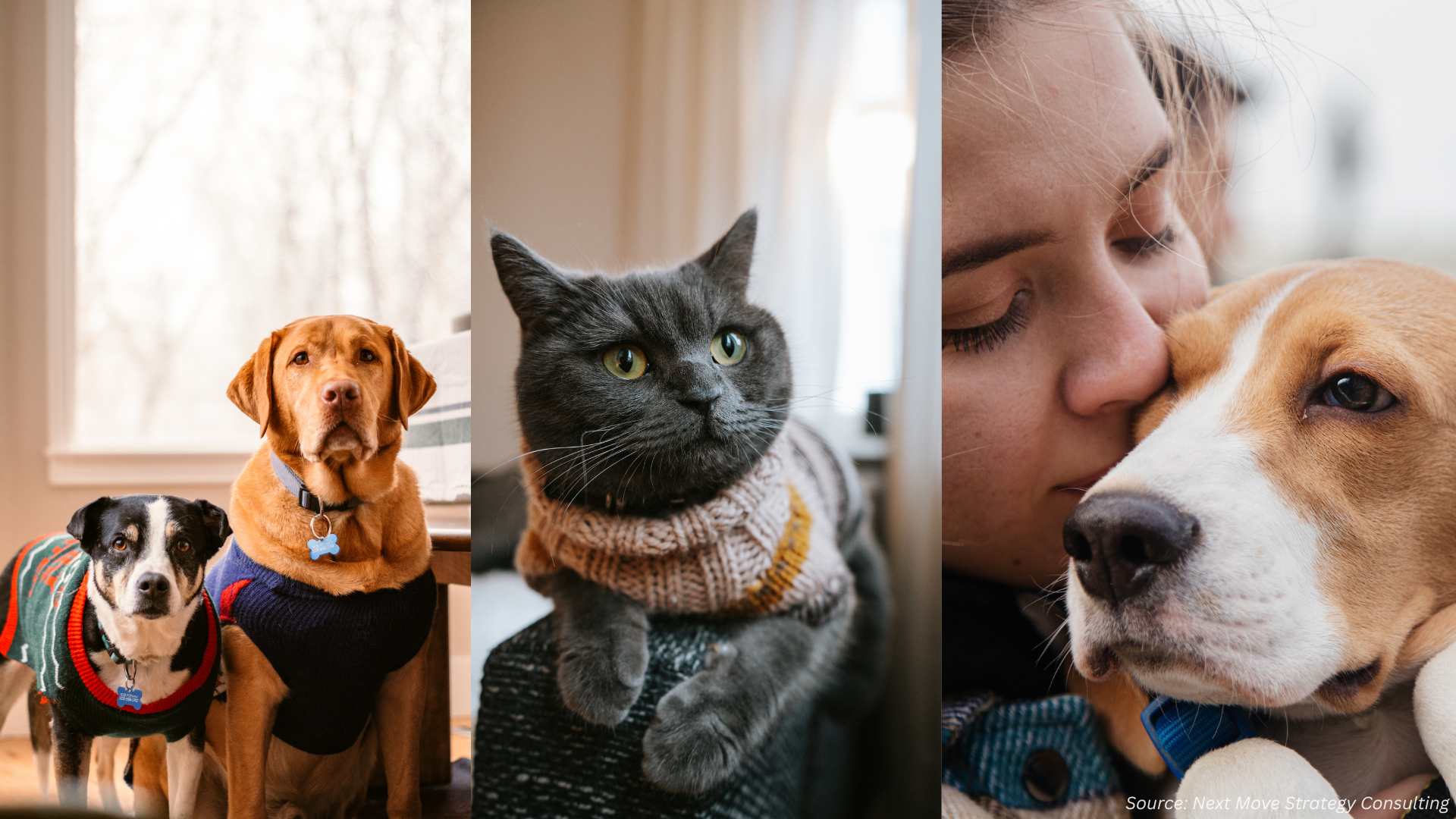
The relationship between humans and their animal companions has evolved significantly, transforming the animal care industry into a powerful economic engine. Far from merely addressing utilitarian needs, modern pet ownership now incorporates fashion, cultural expression, and high-end lifestyle products. This fundamental shift in consumer mindset has placed the Pet Clothing Market at the forefront of discretionary spending within the larger pet economy.
What is Driving the Surge in Pet Apparel Demand?
The fundamental driver of growth in pet apparel is the deep emotional bond between owners and their pets. Across global markets, pets are increasingly viewed and treated as integral family members, often fulfilling emotional roles comparable to children in modern households.
This sentiment directly translates into increased expenditure on high-value, non-essential items. The scale of this devotion is reflected in market projections. For instance, in China, the overall pet market is demonstrating unprecedented momentum, with projections indicating that market value will surge toward 1.15 trillion yuan (approximately USD 162.5 billion) by 2028.
This expansive growth is extending well beyond essential goods and increasingly targeting fashion-forward accessories and pet apparel. This emotional rationale legitimizes the purchase of stylish items, as captured by one pet owner who stated, regarding dressing her animal, "Dressing her up beautifully brings the same joy as dressing my own child.".
Furthermore, supporting infrastructure in urban environments is rapidly adapting to this trend, exemplified by shopping malls in Jinan, China, which now offer specialized pet strollers and pet-friendly elevators, thereby fostering a community culture that encourages pet visibility and, consequently, increased demand for specialized pet apparel.
Next Move Strategy Consulting Impact Analysis
As a market research company, we observe that this trend demonstrates a critical shift: the commoditization of the “pet-as-child” concept. As owners are increasingly willing to spend amounts comparable to child-related expenditures, the market for high-quality, high-margin, and innovative pet products, including apparel, is becoming increasingly resilient.
It is essential for market participants to understand that functional pet clothing, such as weather gear, is only one component of the market; the larger growth opportunity is within culturally significant and identity-expressing pet fashion items. Therefore, successful market penetration requires emotional engagement strategies and sophisticated product design, rather than a sole focus on utility.
Key Players Dominating the Pet Clothing Landscape
-
Ruffwear
-
Weatherbeeta
-
Ruby Rufus
-
Canine Styles
-
Chilly Dog Sweaters
-
Lucy and Co.
-
Muttluks
-
Hurtta
-
Mungo & Maud
-
Eco-Pup
-
Rororiri
-
Little Beast
-
Wagwear

How is Pet Fashion Reflecting Cultural Trends?
The current market is moving beyond simple branded accessories toward products that reflect cultural identity and heritage. This trend represents a significant opportunity for innovation, especially in regions with rich textile and design histories.
In Caoxian county, China, for example, the brand TAORAE is actively merging traditional hanfu embroidery techniques with contemporary pet fashion. The objective is to create culturally rich apparel that enables pets to express unique personalities. This strategy illustrates how specialized companies are leveraging domestic demand by connecting pet products to national culture and aesthetic trends. This level of customization and cultural depth transforms pet garments from simple coverings into premium, symbolic goods. It is evident that design ingenuity, driven by ethology (the study of animal behavior) and aesthetics, is becoming the key differentiator in the market.
Next Move Strategy Consulting Impact Analysis
For market players, this trend implies that a localized or culturally specific design approach is far superior to generic global offerings. The successful integration of traditional design, such as hanfu embroidery, demonstrates that consumers are purchasing pieces for their pets not just for warmth or aesthetics but as an extension of their own cultural identity and fashion sense.
It is imperative that manufacturers and retailers invest in research and development to create unique, high-value textiles and designs. We believe this trend of culturally integrated pet apparel will define the luxury and specialty segments of the pet clothing industry in 2025 and beyond.
Summary of Cultural Trends:
The focus on pet apparel is shifting toward high-value, culturally-integrated products.
-
Specific market innovations include the merger of traditional techniques, such as hanfu embroidery, with modern pet clothing.
-
Innovation must blend ethology and aesthetics to create products that meet both the animal's needs and the owner's sophisticated fashion demands.
What Are the Next Steps for Businesses in the Pet Clothing Market?
The Pet Clothing Market is currently experiencing a dynamic period of transformation, moving from necessity to emotional and cultural luxury. Businesses must adopt strategies that align with this elevated consumer sentiment to capture maximum value.
Based on observed market trends and consumer behavior in 2025, we recommend the following actionable takeaways:
-
Prioritize Cultural Integration: Do not underestimate the value of locally relevant and culturally rich designs. Companies should explore partnerships with local artisans or textile specialists to integrate unique heritage elements into their Pet Apparel lines.
-
Focus on Premiumization and Quality: Since pets are viewed as children, the demand for high-quality materials and sophisticated construction is increasing. Businesses must eliminate contractions and ensure they use full forms in all analytical and quality-control documentation as precise communication is essential in the development of premium goods.
-
Leverage Pet-Friendly Infrastructure: Recognize that the increasing availability of pet-friendly public spaces is creating new retail and visibility opportunities. Businesses should pursue strategic partnerships with pet-friendly venues for in-store promotion and event hosting.
-
Emphasize Emotional and Identity Marketing: Shift marketing campaigns away from utility and toward emotional fulfillment and personal identity expression. The core message should be that pet fashion is an extension of the owner’s lifestyle and love for their companion.
As emotional attachment, cultural identity, and premiumization continue to converge, the pet clothing market is positioned to remain one of the fastest-evolving segments within the global pet economy.
About the Author
 Sanyukta Deb
— Sanyukta Deb is Digital Marketing Team Lead at Next Move Strategy Consulting, where she has led content strategy and technical SEO for the firm's B2B market research publications for over 2 years. Her editorial process translates NextMSC's primary and secondary research — spanning technology, industrial, and consumer sectors — into commercial narratives, backed by search-intent, keyword, and competitive analysis. She brings 5 years of overall experience in digital marketing and content strategy.
Sanyukta Deb
— Sanyukta Deb is Digital Marketing Team Lead at Next Move Strategy Consulting, where she has led content strategy and technical SEO for the firm's B2B market research publications for over 2 years. Her editorial process translates NextMSC's primary and secondary research — spanning technology, industrial, and consumer sectors — into commercial narratives, backed by search-intent, keyword, and competitive analysis. She brings 5 years of overall experience in digital marketing and content strategy.
About the Reviewer
 Debashree Dey
— Debashree Dey is Assistant Manager at Next Move Strategy Consulting, where she supports cross-vertical market content and communications across diverse industries for 6 years. Her professional background includes senior content writing, communications, and published manuscript authorship, with experience developing audience-focused business narratives and maintaining clear, consistent messaging. Her role supports research-led content development and editorial quality across NextMSC publications.
Debashree Dey
— Debashree Dey is Assistant Manager at Next Move Strategy Consulting, where she supports cross-vertical market content and communications across diverse industries for 6 years. Her professional background includes senior content writing, communications, and published manuscript authorship, with experience developing audience-focused business narratives and maintaining clear, consistent messaging. Her role supports research-led content development and editorial quality across NextMSC publications.
















Add Comment