Energy Storage Systems (ESS) Market By Technology {Electrochemical (Lithium Ion, Flow Battery, Lead Acid, Sodium Based), Mechanical Storage (Pumped Hydro, Compressed Air, Flywheel) Thermal Storage (Molten Salt, Ice Storage) Other Storage (Supercapacitor, Hydrogen Storage)}, By System Duration (Short Duration, Medium Duration, Long Duration), and By Installation & Application (Front-of-the-Meter, Behind-the-Meter, Off-Grid & Microgrids) – Global Analysis & Forecast, 2025–2030
Industry Outlook
The global Energy Storage Systems Market size was valued at USD 460.95 billion in 2024, and is expected to be valued at USD 531.94 billion by the end of 2025. The industry is projected to grow, hitting USD 1088.65 billion by 2030, with a CAGR of 15.4% between 2025 and 2030.
The market is experiencing rapid transformation, driven by the integration of renewable energy, growing electric vehicle adoption, and grid modernization initiatives. AI-powered energy management enables predictive control, fault detection, and optimized charging cycles, enhancing efficiency, battery life, and operational reliability. Advances in materials science, including solid-state batteries, graphene, and nanostructured electrodes, are improving energy density, safety, and longevity, while modular and scalable designs allow flexible deployment across residential, commercial, and industrial sectors. Key growth drivers include electric mobility expansion, technological innovation, and supportive government policies, while technical challenges such as high costs, battery degradation, and energy density limitations restrain adoption. Emerging opportunities lie in hybrid and next-generation batteries, AI integration, miniaturization, and second-life applications, positioning ESS as a central component of global energy infrastructure, enabling renewable integration, decentralized energy systems, and net-zero carbon objectives.
What Are the Key Trends in the Energy Storage Systems (ESS) Industry?
How is Energy Storage Systems (ESS) Transforming Global Energy Infrastructure?
The deployment of ESS is revolutionizing energy infrastructure by enabling more efficient, flexible, and reliable power management. Unlike conventional systems that rely on real-time energy production, ESS allows excess energy from renewable sources to be stored and used during peak demand, significantly reducing grid congestion and transmission losses. This transformation supports greater renewable integration, enhances grid resilience against outages, and enables decentralized energy systems such as microgrids and virtual power plants. In developing regions, ESS solutions are helping bridge the energy access gap, while in advanced economies, they are key to achieving net-zero carbon targets. The increasing demand for clean, continuous, and controllable energy is propelling ESS adoption across utilities, industries, and commercial sectors.
What Role does AI Play in Advancing Energy Storage Systems (ESS) Capabilities?
Artificial Intelligence is playing a pivotal role in enhancing the performance and reliability of advanced energy storage solutions by enabling predictive control and smart energy management. AI algorithms analyze large datasets to forecast energy demand, optimize charging and discharging cycles, and detect potential faults before they cause failures. This intelligent automation improves energy efficiency, extends battery life, and reduces operational costs. The synergy between AI and ESS is driving the evolution of smart grids capable of autonomous decision-making and dynamic energy balancing. The pace of this advancement is particularly high in regions such as the U.S., China, and Germany, where strong digital infrastructure and advanced analytics capabilities support large-scale AI integration in energy systems.

This chart represents the varying pace of technological adoption across major global economies, a dynamic that is directly mirrored in the energy storage system (ESS) market. Just as the U.S. and China lead in AI integration due to robust investment and strategic imperatives, they are also at the forefront of deploying large-scale battery storage, driven by the need to support their vast renewable energy projects and modernize aging grid infrastructure. Similarly, European nations like Germany and the UK are aggressive adopters, motivated by strong regulatory support and ambitious decarbonization goals that make energy storage a cornerstone of their energy security. Meanwhile, emerging economies such as India are rapidly developing their ESS markets, following a trajectory where initial lower adoption rates are poised for significant growth as renewable capacity expands and technology costs continue to fall, highlighting a global race toward a more resilient and sustainable energy future.
How are Advancements in Materials Science Impacting Energy Storage Systems Market Growth?
Advancements in materials science are significantly impacting the development of grid-scale energy storage by improving their energy density, safety, and longevity. Innovations in solid electrolytes, advanced cathode materials, and nanostructured electrodes are enabling the production of high-performance batteries with faster charging capabilities and lower degradation rates. These material improvements also enhance thermal stability and reduce fire risks, addressing key safety challenges in large-scale applications. Furthermore, research into recyclable and sustainable materials is supporting the creation of environmentally friendly ESS solutions. As these advancements continue, they are broadening the application potential of ESS from large grid-scale projects to portable and automotive energy systems thereby accelerating global market growth.
What Are the Key Market Drivers, Breakthroughs, And Investment Opportunities That Will Shape the Energy Storage Systems Industry in the Next Decade?
The energy storage systems market demand is experiencing robust growth, driven by global clean energy transitions, declining battery costs, and supportive government policies. Breakthroughs in long-duration energy storage, hybrid battery systems, and hydrogen-based storage technologies are enhancing the scalability and economic viability of ESS solutions. Investors are increasingly focusing on grid-scale projects, second-life battery applications, and recycling facilities to capture value throughout the energy lifecycle. As nations aim to meet net-zero targets, ESS deployment is becoming integral to renewable expansion, electric mobility, and energy efficiency strategies. The growing collaboration between technology innovators, utilities, and policymakers is expected to shape a dynamic and opportunity-rich ESS landscape over the coming decade.

This chart illustrates the significant disparities in renewable energy capacity growth across major countries and regions, with China leading the expansion, followed by the EU and the U.S. This rapid and uneven build-out of variable sources like solar and wind creates a direct and urgent demand for the energy storage system (ESS) market, as grid stability becomes a paramount concern. Nations with the most ambitious renewable targets are inherently driving the need for large-scale storage solutions to balance intermittent supply, manage peak loads, and ensure energy security, making ESS adoption a critical corollary to their clean energy ambitions.
Growth Drivers:
How is the Growth of Electric Mobility Fueling Energy Storage Systems Market Expansion?
The rapid expansion of electric vehicles (EVs) is creating substantial demand for high-performance energy storage solutions. ESS is essential not only for EV batteries but also for charging infrastructure that ensures reliable and fast energy delivery. Increasing EV adoption in markets like North America, Europe, and China is driving investments in large-scale ESS deployment to support charging networks and grid integration. This trend is accelerating technological advancements in battery efficiency, durability, and energy density, directly contributing to the growth of the ESS market.
How are Technological Innovations and Advancements in Materials Driving ESS Adoption?
Advances in battery chemistries, such as lithium-ion, solid-state, and flow batteries, along with innovations in materials like graphene, nanocomposites, and solid electrolytes, are enhancing ESS performance and safety. These innovations enable higher energy density, faster charging, longer lifespan, and improved thermal management. Additionally, developments in modular and scalable ESS designs allow flexible deployment across residential, commercial, and industrial applications. Continuous technological innovation is a primary driver of market growth, expanding the scope of ESS in energy storage, backup power, and renewable integration.
Growth Inhibitors:
What Technical Limitations are Restraining the Growth of Energy Storage Systems (ESS)?
Despite strong market potential, the ESS industry faces several technical challenges that limit broader adoption. Key issues include high initial investment costs, limited energy density in certain battery chemistries, and degradation over repeated charge-discharge cycles. Ensuring consistent performance, thermal stability, and long operational life under varying load conditions remains complex. Additionally, large-scale deployment requires advanced battery management systems and safe recycling solutions to manage end-of-life concerns. These technical limitations slow the adoption of ESS in critical applications such as grid-scale energy storage, electric mobility, and industrial automation, where reliability and efficiency are essential.
How are Hybrid and Next-Generation Battery Technologies Creating Future Opportunities for the ESS Market?
The development of hybrid and next-generation battery technologies, such as solid-state, flow, and advanced lithium-ion systems, represents a significant growth opportunity for the energy storage systems market growth. These technologies provide higher energy density, improved safety, longer lifespans, and faster charging capabilities, making them ideal for applications in electric vehicles, grid-scale storage, and renewable energy integration. As industries and utilities increasingly demand reliable, efficient, and sustainable energy solutions, investment in these advanced battery technologies is expected to accelerate, driving innovation and enabling broader deployment of ESS across residential, commercial, and industrial sectors.
How Is the Energy Storage Systems Market Segmented in this Report, And What Are the Key Insights from the Segmentation Analysis?
By Technology Insights
Which Technology Dominates the Energy Storage Systems Market in 2025?
Based on technology, the market is segmented into electrochemical, mechanical storage, thermal storage and others.
Thermal storage is a key segment within the energy storage systems market that focuses on capturing and storing energy in the form of heat or cold for later use. This technology enables the efficient management of energy supply and demand by storing excess energy produced during low-demand periods and releasing it when demand peaks. Common approaches in thermal storage include storing heat in materials such as molten salts or using ice for cooling applications. Thermal storage systems are particularly valuable for integrating renewable energy sources, improving grid stability, and enhancing energy efficiency in industrial, commercial, and residential applications. By converting electricity or solar energy into thermal energy, these systems provide flexible and cost-effective solutions for balancing energy usage and reducing reliance on conventional energy sources.

The pie chart illustrates the market share distribution of different Energy Storage System (ESS) technologies. Electrochemical (Batteries) dominate the market with 54.7%, highlighting the widespread adoption of lithium-ion, lead-acid, and other battery chemistries across residential, commercial, and utility-scale applications. Mechanical storage technologies, including pumped hydro, compressed air, and flywheels, account for 20.3%, reflecting their continued importance in large-scale energy storage and grid stabilization. Thermal storage, representing 15.2%, captures solutions like molten salt and ice storage, which are crucial for balancing energy demand and integrating renewable heat sources. Other storage technologies, such as supercapacitors and hydrogen storage, make up 9.8%, signaling emerging opportunities in advanced and long-duration storage solutions.
By System Duration Insights
Which System Duration is Driving the Energy Storage Systems (ESS) Revolution in 2025?
Based on system duration, the market is segmented into Short duration, medium duration and long duration.
Long-duration energy storage (LDES) refers to systems designed to store and discharge energy for extended periods, typically exceeding 8 hours. These systems are critical for addressing prolonged energy demand, bridging gaps caused by intermittent renewable generation, and providing reliable backup power. Unlike short- or medium-duration storage, long-duration solutions focus on sustaining power supply over an entire day or longer, making them ideal for grid stabilization, peak shaving, and supporting remote or off-grid applications. Technologies used for long-duration storage include advanced batteries, flow batteries, thermal storage, hydrogen storage, and other innovative methods capable of storing large amounts of energy efficiently over extended periods. Their adoption is increasingly important for achieving renewable energy integration and enhancing energy security.
By Installation & Application Insights
Which Installation & Application Segment is Powering the Energy Storage Systems Market in 2025?
Based on installation & application, the market is segmented into front-of-the-meter, behind-the-meter and others.
Front-of-the-Meter (FTM) energy storage refers to large-scale integrated storage systems that are installed directly on the electricity grid rather than at the point of consumption. These systems are typically utility-owned or operated and are deployed to provide services that benefit the broader grid and energy market. FTM storage plays a crucial role in grid services and ancillary support, such as frequency regulation, voltage stabilization, and black start capabilities. It is also essential for bulk energy time-shifting, allowing excess energy generated during low-demand periods from renewable sources like solar and wind to be stored and dispatched during peak demand hours. By facilitating renewable energy integration, FTM storage helps utilities manage the variability of solar and wind power, reduce curtailment, and enhance overall grid reliability. In the context of the Energy Storage System market, the FTM segment represents a major growth area, driven by increasing renewable penetration, grid modernization efforts, and rising demand for flexible, utility-scale energy solutions.
Regional Outlook
The market is geographically studied across North America, Europe, the Middle East & Africa, and Asia Pacific, and each region is further studied across countries.
Energy Storage Systems Market in North America
North America remains a global leader in the energy storage systems market share, driven by investments in renewable energy integration, electric mobility, and grid modernization. The region accounted for a substantial share of the global ESS market, with growth projected to continue. The United States, in particular, has been at the forefront of deploying advanced ESS solutions across utilities, manufacturing, and commercial sectors. This adoption is supported by robust technological infrastructure, favorable regulatory frameworks, and strong research and development capabilities. Increasing demand for reliable, efficient, and intelligent energy storage systems is further propelling market growth in the region.
Energy Storage Systems Market in the United States
The U.S. continues to lead in ESS adoption, particularly for grid-scale storage, renewable energy integration, and electric vehicle charging infrastructure. Federal initiatives and funding programs are accelerating the deployment of ESS solutions, enhancing energy reliability and operational efficiency. Strong industrial and utility infrastructure, coupled with innovation in battery chemistries and AI-enabled energy management, is supporting the rapid growth of the ESS market in the country.
Energy Storage Systems Market in Canada
Canada’s ESS market demand is growing steadily, supported by renewable energy expansion, industrial automation, and digital energy management initiatives. Utilities deploy ESS to stabilize grids and manage peak loads, while industrial and commercial sectors adopt storage for cost efficiency and reliable backup power. Government incentives and research programs promote advanced battery chemistries, modular systems, and AI-based energy optimization. Residential adoption is also increasing with solar-plus-storage solutions. Collaborative innovation between government, academia, and industry is fostering technology development. The Canadian ESS market is expected to expand further, driven by supportive policies, renewable energy integration, and increasing demand for reliable, sustainable energy solutions.
Energy Storage Systems Market in Europe
Europe’s market is diverse, with Germany, France, Italy, Spain, and the U.K. leading adoption. Germany focuses on industrial automation and grid stabilization, leveraging advanced battery systems and R&D expertise. France and Italy are prioritizing renewable energy storage and commercial applications. Spain is integrating ESS into healthcare and industrial sectors. EU policies promoting clean energy, digitalization, and sustainability create favorable growth conditions. Utilities, manufacturers, and commercial enterprises are deploying ESS to enhance efficiency, reliability, and energy management. Europe’s emphasis on innovation, technology development, and supportive regulations is expected to drive steady ESS market growth across multiple industries and countries.
Energy Storage Systems Market in the United Kingdom
The U.K. energy storage systems is growing due to renewable energy integration, grid modernization, and EV infrastructure development. Government incentives, clean energy policies, and funding programs are accelerating adoption across utilities, commercial, and industrial sectors. AI-enabled energy management and hybrid storage systems optimize performance, reduce costs, and ensure reliability. ESS integration with solar, wind, and smart grids enhances energy efficiency and operational resilience. The country’s strong focus on innovation, technology development, and digitalization supports rapid deployment of energy storage solutions. With continued policy backing, the U.K. market is expected to witness robust growth in the coming years.
Energy Storage Systems Market in Germany
Germany remains a leader in industrial automation and ESS adoption. Advanced battery systems are widely deployed to stabilize grids, improve manufacturing efficiency, and support renewable energy integration. German companies are leveraging ESS for operational flexibility, energy cost reduction, and reliability enhancement. Strong engineering expertise, innovation-focused R&D, and a supportive policy environment facilitate rapid ESS deployment. Grid-scale and commercial projects are complemented by residential adoption of energy storage solutions. Germany’s commitment to clean energy transition, smart manufacturing, and technological innovation ensures sustained growth and reinforces the country’s position as a key player in Europe’s ESS market.
Energy Storage Systems Market in France
France’s market is growing steadily, driven by renewable energy integration, industrial efficiency, and residential applications. Utilities and commercial enterprises are deploying advanced battery systems and AI-driven energy management platforms to optimize energy use and stabilize grids. Government incentives, supportive policies, and R&D initiatives encourage adoption across healthcare, agriculture, and industrial sectors. Residential solar-plus-storage solutions are gaining popularity, contributing to distributed energy management. France’s emphasis on technological innovation, sustainable energy, and clean infrastructure supports strong ESS growth. As energy efficiency and renewable penetration increase, France is expected to remain a significant market in Europe’s ESS landscape.
Energy Storage Systems Market in Spain
Spain is witnessing growing ESS adoption across industrial, healthcare, and commercial sectors. Renewable energy integration, smart grid initiatives, and digital energy management are driving market expansion. Utilities and enterprises are implementing advanced battery storage systems and AI-enabled platforms to manage peak loads and enhance operational efficiency. Government incentives and regulatory support facilitate investments in energy storage technologies. Residential adoption of solar-plus-storage solutions is increasing, while industrial and commercial applications focus on energy optimization and cost reduction. Spain’s ESS market is expected to expand steadily, supported by technological innovation, policy support, and rising demand for sustainable and reliable energy solutions.
Energy Storage Systems Market in Italy
Italy is focusing on integrating ESS across agriculture, logistics, and industrial sectors to improve efficiency and energy management. Advanced battery systems, hybrid storage, and AI-driven platforms are being deployed to enhance grid stability and operational performance. Government policies, incentives, and R&D initiatives support innovation and adoption of storage technologies. Enterprises are leveraging ESS to reduce energy costs, optimize operations, and ensure reliable backup power. Residential adoption, particularly solar-plus-storage, is growing alongside commercial and industrial projects. Italy’s strong industrial base, emphasis on renewable integration, and commitment to energy efficiency are expected to drive steady ESS market growth.
Energy Storage Systems Market in Asia Pacific
The Asia-Pacific region is experiencing rapid growth in the energy storage systems market share, driven by technological advancements, industrial automation, and demographic shifts. China, in particular, has emerged as a global leader in robotics, installing 295,000 industrial robots in 2024, nearly ten times more than the U.S. This expansion is supported by a USD 1.9 trillion state-directed industrial lending initiative aimed at shifting investment from real estate to manufacturing. China's focus on automation in various industries, including manufacturing and logistics, is propelling the demand for Energy Storage Systems (ESS) solutions.
Energy Storage Systems Market in China
China is a global leader in ESS deployment, driven by renewable energy targets, industrial automation, and electric mobility. Government subsidies, state-backed funding, and municipal incentives encourage large-scale grid, commercial, and residential energy storage projects. Advanced lithium-ion, solid-state, and hybrid battery technologies, combined with AI-enabled energy management systems, optimize efficiency and reliability. Industrial applications, renewable integration, and smart grids are primary growth areas. China’s robust supply chain and manufacturing capabilities reduce costs and accelerate adoption. The ESS market is expanding rapidly, positioning China as a key player in Asia-Pacific and globally, with strong growth projected in the coming years.
Energy Storage Systems Market in Japan
Japan’s energy storage systems market is driven by an aging population, industrial automation, and renewable energy adoption. ESS solutions address labor shortages, enhance energy reliability, and support residential, healthcare, and industrial sectors. Advanced battery chemistries and AI-driven energy management systems improve operational efficiency and battery lifespan. Government incentives, technological development, and strong R&D infrastructure facilitate adoption. Residential solar-plus-storage solutions are increasing, while grid-scale and commercial deployments enhance energy efficiency. Japan’s focus on clean energy integration, automation, and smart technologies ensures steady ESS market growth, making it a key player in the Asia-Pacific energy storage landscape.
Energy Storage Systems Market in India
India’s market is emerging rapidly due to digital transformation, smart manufacturing, and renewable energy expansion. Utilities and industrial enterprises are deploying ESS to stabilize grids, manage peak demand, and optimize operations. Residential solar-plus-storage adoption is growing with rising awareness of energy independence and cost savings. Government policies, subsidies, and incentives promote clean energy, R&D, and technological development. The large labor force, need for energy efficiency, and increasing industrial automation are key market drivers. India’s ESS market is expected to expand steadily, offering significant opportunities for local and global energy storage solution providers.
Energy Storage Systems Market in South Korea
South Korea is advancing its ESS market through renewable energy integration, industrial automation, and grid modernization. Companies are deploying energy storage to enhance operational efficiency, stabilize grids, and reduce energy costs. Government-backed R&D programs and technology incentives encourage innovation in advanced battery systems, hybrid storage solutions, and AI-enabled management platforms. Industrial, commercial, and residential sectors are adopting ESS for energy reliability and sustainability. South Korea’s strong technological infrastructure, industrial base, and innovation ecosystem support rapid ESS deployment. With continued government support and rising energy demand, the country’s ESS market is poised for robust growth in the coming years.
Energy Storage Systems Market in Taiwan
Taiwan’s industry is growing due to its strong semiconductor and industrial base, renewable energy initiatives, and smart manufacturing focus. Companies are adopting ESS for grid stabilization, industrial efficiency, and energy cost reduction. Advanced battery systems, hybrid storage, and AI-enabled management platforms improve reliability and operational performance. Government incentives and regulatory support promote adoption across industrial, commercial, and residential sectors. Research and development initiatives foster innovation in battery technologies and energy storage solutions. Taiwan’s ESS market is expected to expand steadily, driven by technological advancements, industrial growth, and increasing demand for reliable, sustainable energy solutions.
Energy Storage Systems Market in Australia
Australia’s market is expanding due to renewable energy adoption, healthcare automation, and industrial applications. Utilities and commercial enterprises are deploying energy storage to manage peak loads, integrate solar and wind, and improve energy reliability. Hospitals are using ESS for backup power and operational efficiency, while mining and manufacturing sectors leverage storage for cost reduction. Government grants, such as the Advanced Manufacturing Growth Fund, support technological innovation and ESS adoption. Residential solar-plus-storage solutions are also on the rise. Australia’s ESS market is expected to grow steadily, supported by policy initiatives, technological development, and increasing demand for sustainable and reliable energy storage solutions.
Energy Storage Systems Market in Latin America
The energy storage systems market share in Latin America is at an early stage but demonstrates strong growth potential, particularly in Brazil and Mexico. Renewable energy expansion, grid modernization, and industrial automation are driving initial adoption. Utilities are deploying ESS to stabilize grids and manage peak loads, while industrial and commercial sectors are leveraging storage for energy efficiency and operational continuity. Government-backed programs supporting clean energy and smart manufacturing, such as Industry 4.0 initiatives in Brazil, are encouraging investment. With increasing focus on energy reliability, efficiency, and sustainable infrastructure, the Latin American ESS market is expected to grow steadily despite slower technological penetration compared to North America and Europe.
Energy Storage Systems Market in the Middle East & Africa
The Middle East and Africa are gradually expanding their ESS adoption, with countries like the UAE, Saudi Arabia, and South Africa leading regional initiatives. Large-scale renewable integration, smart grid development, and industrial energy optimization are driving ESS deployment. Innovation hubs, such as Abu Dhabi’s Hub71, support technology startups and energy storage R&D, while projects like Saudi Arabia’s NEOM integrate ESS into smart city planning. ESS applications are emerging across healthcare, logistics, and defense sectors, backed by government incentives and partnerships with global technology providers. Growing energy demand and sustainability goals position the Middle East and Africa as emerging markets for advanced energy storage solutions.
Competitive Landscape
What are the Top Companies in Energy Storage Systems Market and How they are Competing Against One Another?
The energy storage systems industry is led by key players such as CATL, Tesla, BYD, Sungrow, Huawei, Envision Energy, EVE Energy, REPT BATTERO, Hithium, CALB, Gotion High-Tech, Sunwoda, Samsung SDI, LG Energy Solution, Great Power, Panasonic, Pylontech, Narada Power, Saft, and Sonnen. These companies are shaping the market through continuous innovations in battery and supercapacitor technologies, modular and large-scale storage solutions, and advanced software platforms for grid management and renewable energy integration. By expanding product portfolios, forging strategic partnerships, and scaling deployments across residential, commercial, and utility sectors, they are driving growth in the global ESS market and addressing the increasing demand for reliable, flexible, and sustainable energy storage solutions.
Market Dominated by Major Players and Specialists
The energy storage system (ESS) market is characterized by a blend of established global players and specialized innovators. Companies like Tesla, Panasonic, Samsung SDI, Fluence, and ABB leverage their scale, technology, and resources to lead in the development of large-scale and modular energy storage solutions. Specialized firms such as Altairnano, Electrovaya, Saft, and Ecoult focus on niche applications, including fast-response batteries, ultracapacitors, and industrial energy storage systems. This dynamic creates a competitive landscape where major corporations shape overall market trends, while specialized companies address specific technical or industry needs, resulting in a diverse and rapidly evolving ESS market.
Innovation and Adaptability Drive Market Success
In the rapidly evolving energy storage systems industry, companies that prioritize technological advancement and flexible solutions are better positioned to capture growth opportunities. Electrovaya exemplifies this approach by unveiling advanced energy storage systems featuring its proprietary Infinity Technology, which enhances both energy efficiency and system longevity. Such innovations not only improve the performance and reliability of energy storage solutions but also allow companies to adapt to diverse applications, from residential and commercial setups to large-scale utility projects. By continuously refining technology and tailoring solutions to market needs, firms like Electrovaya demonstrate how innovation and adaptability are critical drivers of success in the competitive and fast-growing ESS market.
Market Players to Opt for Merger & Acquisition Strategies to Expand their Presence
In the rapidly evolving energy storage systems industry, companies are increasingly leveraging mergers and acquisitions as a strategic tool to strengthen their technological capabilities, expand product portfolios, and enhance market reach. Langley Holdings provides a clear example of this approach by acquiring GKN Hydrogen, an Italian specialist in hydrogen storage and power-to-power solutions, from the Dowlais Group. This acquisition not only bolsters Langley’s position in the growing hydrogen energy segment but also enables the company to integrate advanced technologies, tap into new customer bases, and accelerate innovation across its energy storage offerings. Such strategic consolidations highlight how mergers and acquisitions have become a key pathway for ESS market players to maintain competitiveness, drive growth, and respond effectively to evolving market demands.
List of Key Energy Storage Systems (ESS) Companies
-
CATL
-
Tesla
-
BYD
-
Sungrow
-
Huawei
-
Envision Energy
-
EVE Energy
-
REPT BATTERO
-
Hithium
-
CALB
-
Gotion High-Tech
-
Sunwoda
-
Samsung SDI
-
LG Energy Solution
-
Great Power
-
Panasonic
-
Pylontech
-
Narada Power
-
Saft
-
Sonnen
What Are the Latest Key Industry Developments?
-
October 2025 - Fluence has partnered with Torch Clean Energy to deploy a 160 MW / 640 MWh battery energy storage system in Winchester, Arizona. The project will utilize Fluence's Gridstack Pro 5000 energy storage solution and is expected to be completed by early 2027. This collaboration highlights the growing trend of strategic partnerships in the energy storage systems market opportunities to accelerate large-scale storage deployment, support renewable energy integration, and enhance grid reliability.
-
June 2025 - Saft has been selected by Gurīn Energy as the technology provider for the first phase of a 2GWh battery energy storage project in Japan. The project underscores Saft’s expanding role in large-scale energy storage solutions and reflects the growing momentum of the energy storage systems market in supporting grid stability and renewable energy integration.
What Are the Key Factors Influencing Investment Analysis & Opportunities in Energy Storage Systems Market?
The energy storage systems market analysis is experiencing strong growth, driven by the global shift toward renewable energy integration, smart grids, and electric mobility solutions. Rising energy demand, decarbonization initiatives, and advancements in battery technologies, such as lithium-ion, solid-state, and hybrid storage, are attracting significant investor attention. Leading companies are expanding production capacity and deploying innovative storage systems, fueling interest across the market. Investment hotspots include regions with supportive regulatory frameworks, technological infrastructure, and a strong focus on energy transition initiatives. These factors indicate a dynamic market offering substantial opportunities for strategic partnerships, mergers, and early-stage investments.
Key Benefits for Stakeholders:
Next Move Strategy Consulting (NMSC) provides a comprehensive analysis of the global energy storage systems market trends, examining trends at global, regional, and country levels while highlighting key growth drivers, challenges, and investment opportunities across all major ESS segments.
The energy storage systems market offers substantial advantages to a wide range of stakeholders. Investors benefit from strong market growth, technological innovation, and opportunities for strategic partnerships, mergers, and acquisitions. Utilities, manufacturers, and commercial enterprises gain from enhanced energy reliability, grid stabilization, and improved operational efficiency. End-users across industries such as manufacturing, healthcare, and logistics enjoy greater flexibility, precision, and cost savings through the adoption of advanced ESS solutions. The combination of rising energy demand, supportive regulatory frameworks, and innovation in storage technologies creates a mutually beneficial ecosystem for both investors and customers.
Report Scope
|
Parameters |
Details |
|
Market Size in 2025 |
USD 531.94 Billion |
|
Revenue Forecast in 2030 |
USD 1088.65 Billion |
|
Growth Rate |
CAGR of 15.4% from 2025 to 2030 |
|
Analysis Period |
2024–2030 |
|
Base Year Considered |
2024 |
|
Forecast Period |
2025–2030 |
|
Market Size Estimation |
Billion (USD) |
|
Growth Factors |
|
|
Countries Covered |
28 |
|
Companies Profiled |
15 |
|
Market Share |
Available for 10 companies |
|
Customization Scope |
Free customization (equivalent up to 80 analyst-working hours) after purchase. Addition or alteration to country, regional & segment scope. |
|
Pricing and Purchase Options |
Avail customized purchase options to meet your exact research needs. |
|
Approach |
In-depth primary and secondary research; proprietary databases; rigorous quality control and validation measures. |
|
Analytical Tools |
Porter's Five Forces, SWOT, value chain, and Harvey ball analysis to assess competitive intensity, stakeholder roles, and relative impact of key factors. |
Key Market Segments
By Technology
-
Electrochemical
-
Lithium Ion
-
Flow Battery
-
Lead Acid
-
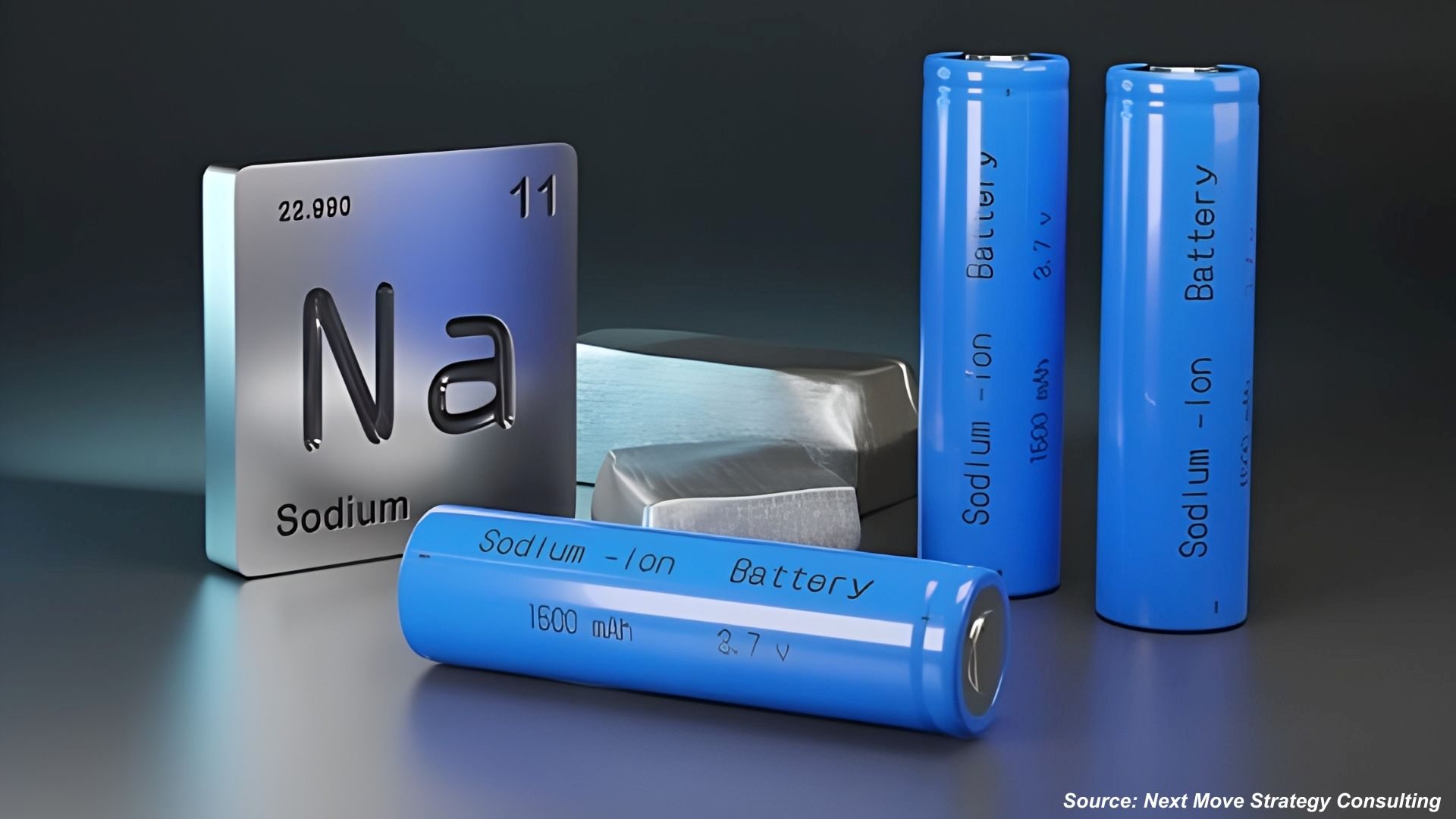
Sodium Based
-
-
Mechanical Storage
-
Pumped Hydro (PHS)
-
Compressed Air (CAES)
-
Flywheel
-
-
Thermal Storage
-
Molten Salt
-
Ice Storage
-
-
Other Storage
-
Supercapacitor
-
Hydrogen Storage
-
By System Duration
-
Short Duration (< 2 hour)
-
Medium Duration (2-8 hours)
-
Long Duration (> 8 hours)
By Installation & Application
-
Front-of-the-Meter (FTM)
-
Grid Services & Ancillary Services
-
Bulk Energy Time-Shifting
-
Renewable Energy Integration
-
-
Behind-the-Meter (BTM)
-
Commercial & Industrial
-
Demand Charge Management
-
Backup Power & Resilience
-
Solar Self-Consumption
-
-
Residential
-
Backup Power
-
Solar Self-Consumption
-
-
-
Off-Grid & Microgrids
-
Remote Power Systems
-
Industrial Microgrids
-
Critical Infrastructure Backup
-
Geographical Breakdown
-
North America: U.S., Canada, and Mexico.
-
Europe: U.K., Germany, France, Italy, Spain, Sweden, Denmark, Finland, Netherlands, and rest of Europe.
-
Asia Pacific: China, India, Japan, South Korea, Taiwan, Indonesia, Vietnam, Australia, Philippines, and rest of APAC.
-
Middle East & Africa (MENA): Saudi Arabia, UAE, Egypt, Israel, Turkey, Nigeria, South Africa, and rest of MENA.
-
Latin America: Brazil, Argentina, Chile, Colombia, and rest of LATAM.
Conclusion & Recommendations
Our report equips stakeholders, recyclers, manufacturers, policymakers, investors, and sustainability consultants with actionable insights to leverage the growing potential of the global energy storage systems market. By combining credible regional insights, government-backed data, and strategic analysis of key growth drivers—ranging from energy efficiency and closed-loop production to policy innovation and cross-sector collaboration—NMSC’s ESS Market Report serves as an essential guide for navigating the evolving energy landscape and advancing sustainable energy storage solutions worldwide.
The energy storage systems market is poised for significant growth, driven by technological innovation, strategic partnerships, and increasing automation across industries. Companies focusing on adaptability, AI integration, and advanced materials are expected to lead market development. Investors and stakeholders capitalize on opportunities across healthcare, manufacturing, logistics, and research, while mergers and collaborations continue to reshape competitive dynamics. With ongoing advancements in smart materials, sensors, and control systems, ESS solutions are becoming central to industrial automation and energy management, indicating strong market expansion and long-term value creation.


About the Author
 Sikha Haritwal is an assistant manager with strong expertise in market research, data analysis, and cross-functional coordination. She plays a key role in leading complex research initiatives, strengthening analytical rigor, and enabling data-driven decision-making across teams. Known for her leadership mindset and structured problem-solving approach, she supports process improvement, enhances operational efficiency, and contributes to building scalable frameworks that drive long-term strategic outcomes and organizational effectiveness.
About the Reviewer
 Supradip Baul is an accomplished business consultant and strategist with over a decade of rich experience in market intelligence, strategy, technology, and business transformation. His work has included rigorous qualitative and quantitative analysis across multiple industries, helping clients shape investment decisions and long-term roadmaps. Earlier in his career, he was associated with Gartner, where he contributed to industry-leading reports and market share analyses. He has worked with leading global companies and holds an MBA with a dual specialization in Marketing and Finance.
At Next Move Strategy Consulting, we understand that insightful market research is the cornerstone of successful business decisions. That's why we employ a robust and multifaceted approach, combining various methodologies to deliver the most accurate and actionable data for our clients.

Research Landscape
We navigate the world of research with two primary approaches:
Qualitative Approach
Our qualitative research methodologies involve immersive techniques such as in-depth interviews, focus groups, and observational studies. By engaging directly with individuals and stakeholders, we uncover valuable insights that quantitative data alone may overlook.

Quantitative Research
In tandem with qualitative methodologies, NMSC leverages the power of Quantitative Research to provide a robust foundation of numerical insights. Through systematic data collection and analysis, we quantify patterns, preferences, and market trends, offering a comprehensive view of the business landscape.
Our quantitative research approach employs diverse tools, including surveys, experiments, and statistical modelling. These methodologies enable us to gather data from a large and representative sample, ensuring the statistical significance of our findings. By employing structured questionnaires and standardized data collection methods, we guarantee the reliability and validity of the information we present to our clients.
Quantitative research is particularly effective in measuring the prevalence of trends, assessing market size, and gauging the impact of various factors on consumer behavior. The numerical precision attained through this approach equips our clients with actionable insights, facilitating data-driven decision-making and strategy formulation.


Our Specialized Toolbox for Industry-Specific Market Research
We deploy a specialized arsenal of techniques tailored to meet your unique requirements. Here's a glimpse into our comprehensive toolbox:

Information Procurement
The stage entails acquiring market data or relevant information through various sources and methodologies.


Market Research Approach
We utilize both top-down and bottom-up approaches in market research analysis to achieve a comprehensive understanding of the market dynamics, leveraging the broad perspective of industry trends and macroeconomic factors alongside detailed insights from specific segments and individual companies.

Porters Five Forces Analysis
We conduct Porter's Five Forces analysis to evaluate the competitive landscape of an industry, providing us with insights into factors that affect profitability and strategic positioning.

SWOT Analysis

Forecasting
We utilize a forecasting model to predict future consumption by considering parameters like population, economics, regulations, market competition, drivers, constraints, technology, and pricing. We also employ statistical techniques such as multilinear regression, exponential smoothing, moving average, ARIMA, and Monte Carlo simulations for accurate predictions. In econometric forecasting, we analyzed short-term and long-term event impacts, attributing values based on regulatory frameworks, economic factors, and market events.





 Speak to Our Analyst