Sodium-Ion Battery Market By Component (Cathode, Anode, and Others), By Cathode Chemistry (Prussian Blue Analogs, Layered Oxides, and Others), By Voltage Range (Below 48V, 48V–400V, Above 400V), By Energy Capacity (Below 1 kWh, 1–10 kWh, 11–100 kWh, Above 100 kWh), By Cell Type (Cylindrical, Prismatic, Pouch, and Others), By Battery Form (Cell Level, Module Level, Pack Level), and By Sales Channel (OEM Supply, Battery Integrators, and Others) – Global Analysis & Forecast, 2025–2035
Industry: Energy & Power | Publishing Date: April 28, 2026 | Last Updated: September 30, 2026 | No of Pages: N/A | No. of Tables: N/A | No. of Figures: N/A | Format: PDF | Report Code: EP4527
Industry Outlook
The global Sodium-ion Battery Market size was valued at USD 1.06 billion in 2025, and is expected to be valued at USD 1.29 billion by the end of 2026. The industry is projected to grow, hitting USD 7.09 billion by 2035, with a CAGR of 20.87% between 2026 and 2035.
Sodium-ion Battery Market Size & Forecast
|
Parameters |
Details |
|
Market Size in 2026 |
USD 1.29 Billion |
|
Revenue Forecast in 2035 |
USD 7.09 Billion |
|
Growth Rate |
CAGR of 20.87% from 2026 to 2035 |
|
Analysis Period |
2025–2035 |
|
Base Year Considered |
2025 |
|
Forecast Period |
2026–2035 |
|
Market Size Estimation |
Billion (USD) |
|
Companies Profiled |
10 |
|
Countries Covered |
33 |
|
Market Share |
Available for 10 companies |
Based on NMSC’s primary research and consultations with battery cell manufacturers, we observed that the sodium-ion battery market is gaining steady traction as industry participants seek cost-effective and resource-abundant alternatives to lithium-ion technologies. In our discussions with battery developers, we identified that sodium-ion chemistry is increasingly prioritized for stationary energy storage and entry-level electric mobility applications where cost stability and material availability are critical considerations. Technological progress in hard carbon anodes and Prussian blue cathodes is improving cycle stability, safety, and manufacturing consistency, supporting broader commercial deployment. At the same time, manufacturers are focusing on cell architectures compatible with existing lithium-ion production infrastructure, enabling faster industrial scaling while minimizing capital expenditure. These developments are strengthening confidence among energy storage developers exploring sodium-ion systems for grid-support applications.
Through our assessment of pilot manufacturing initiatives and early energy storage deployments, we found that regional adoption patterns are closely linked to energy security priorities and renewable integration requirements. Asia-Pacific currently leads commercialization activity, supported by established battery manufacturing ecosystems and government-backed energy storage initiatives. Our analysis assessed that Europe is strengthening research collaboration and pilot-scale development to support sustainable battery supply chains. In North America, energy storage developers are actively examining sodium-ion technology for grid resilience and distributed storage applications. Key industry participants, including CATL, HiNa Battery Technology, and Faradion, are advancing commercialization through pilot production, technology partnerships, and continued investment in next-generation sodium-ion cell chemistries designed to improve performance reliability and long-term deployment viability.
What Are the Key Trends in the Sodium-ion Battery Industry?
How Is Manufacturing Compatibility With Lithium-Ion Infrastructure Accelerating Sodium-Ion Commercialization?
NMSC’s research indicates that manufacturing compatibility with existing lithium-ion production infrastructure is accelerating the industrial commercialization of sodium-ion batteries. During our review of battery manufacturing programs and gigafactory deployment strategies, we observed that battery manufacturers increasingly prioritize sodium-ion cell architectures that align with established electrode coating, assembly, and formation processes. This alignment enables manufacturers to leverage existing production assets while minimizing the capital expenditure required for new battery chemistries. In addition, adaptable production lines strengthen operational flexibility and support faster pilot-to-commercial scaling. Market evidence indicates that this infrastructure compatibility reduces commercialization timelines and strengthens investor confidence. As global battery manufacturing capacity continues expanding, this strategy positions sodium-ion technology to scale rapidly within the evolving energy storage ecosystem.
How Are Stationary Energy Storage Deployments Unlocking the Commercial Potential of Sodium-Ion Batteries?
Our research indicates that stationary energy storage deployments are unlocking the early commercial potential of sodium-ion batteries across modern power systems. Through our assessment of grid-scale storage programs and renewable energy integration projects, we identified that utilities and energy storage developers actively evaluate sodium-ion battery systems for applications such as peak load balancing, renewable energy buffering, and distributed grid stabilization. The chemistry’s reliance on widely available materials is strengthening cost stability while supporting long-duration storage performance. Further, sodium-ion battery modules provide reliable operational performance in stationary applications where energy density constraints are less critical. Moreover, renewable expansion continues to strengthen demand for diversified battery chemistries. This deployment momentum is accelerating the integration of sodium-ion batteries into large-scale energy storage infrastructure worldwide.
How Are Advances in Battery Materials Improving Sodium-ion Performance?
Technical evaluation indicates that ongoing innovation in cathode and anode materials is significantly enhancing the performance and scalability of sodium-ion battery technologies. Specifically, battery developers are advancing Prussian blue cathodes and optimized hard carbon anodes to improve cycle life, energy efficiency, and operational durability. Through our analysis of battery material development programs and pilot battery tests, we found that improvements in electrode chemistry enable more stable charge–discharge cycles and stronger performance consistency required for commercial deployment. Moreover, these material innovations enhance reliability in demanding stationary energy storage environments. Consequently, as battery material engineering continues to progress, sodium-ion technologies are increasingly positioned as a scalable and strategically valuable solution within the global energy storage transition.
Ecosystem Analysis of Sodium-ion Battery Market
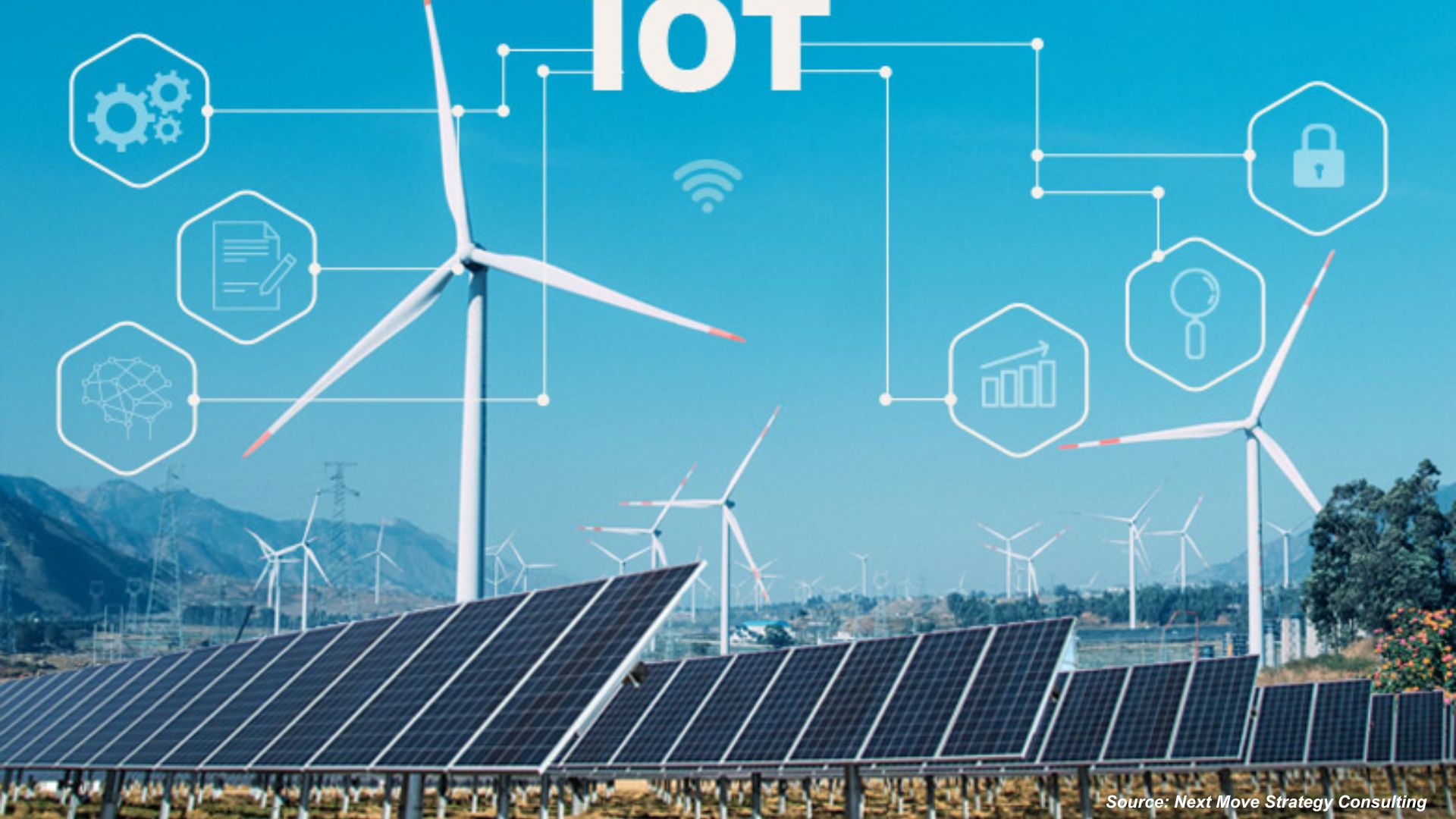
The image illustrates the key components and workflow of the sodium-ion battery market ecosystem, highlighting their interconnections and operational roles.

Based on NMSC’s ecosystem analysis, we noticed that the sodium-ion battery market operates through a connected value chain linking R&D institutions, material suppliers, battery manufacturers, system integrators, and end users. Innovation begins with advances in cathode and anode materials, supported by suppliers and manufacturing partners that enable scalable battery production. Deployment data and service operations improve system reliability, while distribution networks ensure delivery to energy storage projects. Regulatory frameworks further guide safety and commercialization, creating a coordinated ecosystem that supports technology advancement and large-scale adoption.
What Are the Key Market Drivers, Breakthroughs, And Investment Opportunities That Will Shape the Sodium-Ion Battery Industry in the Next Decade?
Growth Catalyst & Risk Assessment Matrix
|
DRIVERS / TRENDS / RESTRAINTS |
(+/–) % IMPACT ON CAGR FORECAST |
GEOGRAPHIC RELEVANCE |
IMPACT TIMELINE |
|
Expansion of grid-scale energy storage and renewable integration increasing demand for cost-stable battery technologies |
+1.3% |
China, Europe, U.S., India |
Medium to long term (3–8 years) |
|
Advancements in sodium-ion battery materials, including Prussian blue cathodes and hard carbon anodes, improving cycle life and reliability |
+0.9% |
China, Europe, Japan, South Korea |
Medium term (2–6 years) |
|
Growing focus on supply chain diversification and reduced dependence on lithium, cobalt, and nickel driving interest in alternative battery chemistries |
+0.7% |
China, Europe, U.S., India, emerging battery manufacturing hubs |
Medium to long term (3–10 years) |
|
Expansion of global battery manufacturing ecosystems enabling cost-efficient commercialization of sodium-ion technologies |
+0.7% |
China, U.S., Europe, India |
Medium to long term (3–8 years) |
|
Lower energy density compared with lithium-ion limiting adoption in high-performance electric mobility applications |
–0.8% |
Global, particularly EV-focused markets in China, U.S., and Europe |
Short to medium term (1–5 years) |
Based on NMSC’s assessment of global battery technology developments and energy storage deployment trends, we found that the sodium-ion battery market is gaining steady momentum, supported by expanding grid-scale energy storage demand and growing interest in alternative battery chemistries. Our research indicates that utilities and energy storage developers increasingly evaluate sodium-ion batteries as a cost-stable solution for stationary storage applications where material availability and supply chain resilience are critical considerations. Furthermore, advances in cathode materials, hard carbon anodes, and electrolyte engineering continue to strengthen cycle stability and operational reliability, enabling more consistent performance in energy storage environments. However, industry analysis indicates that comparatively lower energy density limits adoption in applications requiring compact, high-performance battery systems. At the same time, expanding global battery manufacturing ecosystems and increasing compatibility with existing lithium-ion production infrastructure create new commercialization opportunities, supporting broader deployment of sodium-ion batteries across emerging energy storage markets.
Growth Drivers:
How Is the Expansion of Grid-Scale Energy Storage Accelerating Adoption of Sodium-Ion Batteries?
NMSC’s research indicates that the rapid expansion of grid-scale energy storage is significantly accelerating the adoption of sodium-ion batteries across modern power systems. During our evaluation of renewable energy integration initiatives and utility-scale storage deployments, we observed that utilities and energy storage developers increasingly prioritize battery technologies capable of delivering cost stability and dependable long-duration performance. As renewable energy capacity continues expanding globally, industry analysis suggests that grid operators seek storage solutions that support peak load balancing and renewable energy buffering without exposing projects to volatile raw material supply chains. In addition, sodium-ion battery systems demonstrate strong suitability for stationary applications where cost predictability and operational reliability are essential. Consequently, the continued growth of renewable power generation is strengthening demand for alternative battery chemistries, accelerating the integration of sodium-ion batteries into emerging energy storage infrastructure.
How Is Raw Material Availability and Supply Chain Diversification Driving Adoption of Sodium-Ion Batteries?
Our analysis indicates that the increasing focus on raw material availability and supply chain diversification is significantly driving the adoption of sodium-ion batteries across the global energy storage market. During our assessment of battery supply chain dynamics and resource availability trends, we observed that industry participants are actively seeking alternatives to lithium, cobalt, and nickel due to price volatility and geopolitical concentration risks. Sodium-ion technologies, which rely on abundant and widely distributed materials, provide a more stable and predictable supply chain foundation. In addition, reduced dependence on critical minerals supports long-term cost visibility and lowers procurement risks for large-scale energy storage projects. Consequently, the growing emphasis on resource security and supply chain resilience is accelerating the strategic adoption of sodium-ion batteries across emerging energy storage applications..
Growth Inhibitor:
How Is Lower Energy Density Influencing the Commercial Adoption of Sodium-Ion Batteries?
Industry analysis indicates that comparatively lower energy density remains a key limitation influencing the commercial adoption of sodium-ion batteries in certain applications. During our review of battery development programs and early commercial deployments, we identified that battery manufacturers and energy storage developers prioritize sodium-ion technologies primarily for stationary storage environments where space and weight constraints are less critical. In contrast, mobility applications that require compact and high-energy battery packs continue to rely more heavily on lithium-based chemistries. Also, energy density limitations reduce the competitiveness of sodium-ion batteries in high-performance electric vehicle segments. Consequently, while the technology demonstrates strong potential in grid storage and cost-sensitive energy applications, this performance constraint continues to limit its immediate adoption across energy-dense mobility markets.
Growth Opportunity:
How Is the Expansion of Global Battery Manufacturing Ecosystems Creating Opportunities for Sodium-Ion Batteries?
Our analysis indicates that the expansion of global battery manufacturing ecosystems is creating significant opportunities for sodium-ion battery commercialization. As governments and industry participants invest in domestic battery production capacity, manufacturers increasingly explore sodium-ion technologies to diversify battery chemistries and strengthen supply chain resilience. During our evaluation of emerging battery manufacturing programs and industry partnerships, we noticed that developers prioritize sodium-ion cell designs compatible with existing lithium-ion production infrastructure. This compatibility allows manufacturers to leverage established gigafactory equipment while reducing capital investment requirements associated with new production lines. As a result, expanding battery manufacturing capacity worldwide is opening new pathways for sodium-ion battery deployment, supporting broader commercialization across the global energy storage market.
Pain Point Analysis Impacting the Sodium-ion Battery Market

Based on our assessment, we noticed that the market faces key challenges including high manufacturing investment, lower energy density than lithium-ion batteries, and limited large-scale deployments Additionally, the dominance of lithium-ion supply chains and uneven global manufacturing infrastructure slows wider adoption. Addressing these gaps through materials innovation and production scaling will be critical for future sodium-ion battery market growth.
How Is the Sodium-Ion Battery Market Segmented in This Report, And What Are the Key Insights From the Segmentation Analysis?
Market Highlights & Strategic Insights – Sodium-ion Battery Market:
|
Segments |
Key Takeaways |
|
Component |
Cathode dominates the sodium-ion battery market, as industry analysis indicates its critical role in determining energy density, cycle life, and overall battery cost. Anode follows with increasing adoption of hard carbon materials for stable sodium storage. Meanwhile, electrolytes and separators remain essential for ion transport and safety, while current collectors support conductivity and structural integrity. |
|
Cathode Chemistry |
Prussian Blue Analogs lead the market, driven by low cost, high stability, and strong cycling performance. Layered oxide cathodes gain traction for higher energy density applications, while polyanionic compounds remain relevant for safety-focused and long-cycle applications. |
|
Voltage Range |
48V–400V dominates the market, as industry trends indicate strong adoption across electric mobility and stationary storage systems. Less than 48V supports small-scale and low-power applications, while above 400V gains traction in high-performance electric vehicles and grid-scale storage systems. |
|
Energy Capacity |
1 kWh–10 kWh dominates the market, driven by strong demand in residential energy storage and small mobility solutions. 11 kWh–100 kWh systems expand in commercial applications, while above 100 kWh gains traction in utility-scale and grid storage projects. |
|
Cell Type |
Prismatic cells dominate the market, as market evidence suggests efficient space utilization and suitability for EV and stationary storage packs. Cylindrical cells follow due to compatibility with existing manufacturing infrastructure, while pouch cells support lightweight and compact battery designs. |
|
Battery Form |
Pack Level dominates the market, as industry analysis indicates most deployments occur at system integration level for automotive and energy storage applications. Module Level supports scalable battery configurations, while Cell Level remains relevant for manufacturing and component-level supply. |
|
End-User Industry |
Energy Storage Systems dominate the sodium-ion battery market, driven by increasing demand for renewable integration and grid stability solutions. Automotive applications gain traction in entry-level EVs and two- and three-wheelers, while industrial and telecom sectors expand adoption for backup power and operational reliability. |
|
Sales Channel |
OEM Supply dominates the market, as battery manufacturers primarily supply directly to automotive and energy storage system producers. Battery pack integrators and project developers also play key roles, while aftermarket and BaaS models gradually expand with increasing installed base. |
By Cathode Chemistry Insights
Which Cathode Chemistries Drive Growth in the Sodium-ion Battery Market?
Based on our review of sodium-ion battery material developments, we identified that the market is segmented into Prussian Blue Analogs, Layered Oxide Cathodes, Polyanionic Compounds, and other chemistries.
From our evaluation of commercial battery deployments, we found that Prussian Blue Analogs lead sodium-ion battery market expansion , driven by their low cost, high ionic conductivity, and strong cycle stability in large-scale energy storage applications. Layered Oxide Cathodes follow, supported by their higher energy density and increasing suitability for electric mobility systems. Through our assessment of material innovation pipelines, Polyanionic Compounds gain traction due to their structural stability and thermal safety advantages. Meanwhile, other emerging chemistries continue developing as manufacturers explore performance and scalability improvements, shaping future battery material strategies.

By Cell Type Insights
How Do Cell Formats Influence Deployment in the Sodium-ion Battery Market?
Based on our assessment of sodium-ion storage system deployment manufacturing strategies, we observed that the sodium-ion battery market share is segmented into Cylindrical, Prismatic, Pouch, and other cell formats.
From our analysis of battery production pipelines, we found that Prismatic cells account for a significant share, driven by their efficient space utilization and suitability for electric vehicle battery packs and stationary storage systems. Cylindrical cells follow, supported by manufacturers leveraging existing lithium-ion production infrastructure for scalable production. Through our evaluation of product development trends, Pouch cells gain traction in lightweight and flexible battery designs. Meanwhile, other cell formats maintain limited adoption as manufacturers continue optimizing performance, safety, and integration efficiency across applications.
By End-User Industry Insights
Which End-User Industries Drive Demand in the Sodium-Ion Battery Market?
Based on our assessment of sodium-ion energy storage deployments, we observed that the sodium-ion battery market is segmented into Automotive, Energy Storage Systems, Consumer Electronics, Industrial and Specialty, Telecom & Backup Power, and other industries.
From our review of current market adoption trends, we found that Energy Storage Systems drive the largest demand, supported by increasing requirements for grid storage, renewable integration, and cost-effective energy management. Automotive applications follow, driven by adoption in entry-level electric vehicles, two- and three-wheelers, and low-speed mobility platforms. Through our industry assessment, Industrial and Specialty and Telecom & Backup Power segments gain steady traction due to rising demand for reliable backup power and operational efficiency. As deployment scales across industries, end-user diversification increasingly shapes market growth and commercialization strategies.

Regional Outlook:
Geographic Performance Snapshot:
|
Geography |
Key Takeaways |
|
North America |
Growth is supported by increasing investments in grid-scale energy storage and rising interest in alternative battery chemistries. Utilities and energy storage developers evaluate sodium-ion batteries for stationary storage applications where cost stability and supply chain resilience are important. |
|
Europe |
Market activity is driven by strong energy transition policies and efforts to diversify battery supply chains. Research institutions and battery developers advance sodium-ion technologies to support sustainable energy storage systems. |
|
Asia Pacific |
The region leads technology development and early commercialization due to strong battery manufacturing ecosystems. Expanding renewable energy projects and battery innovation programs support adoption across energy storage applications. |
|
Latin America |
Growing renewable energy projects increase interest in cost-efficient battery storage solutions. Energy developers evaluate sodium-ion batteries to support grid stability and renewable integration. |
|
Middle East & Africa |
Investments in renewable energy infrastructure and grid modernization support exploration of alternative battery technologies for energy storage deployments. |
The sodium-ion battery Market is geographically studied across North America, Europe, Asia Pacific, Latin America and Middle East & Africa and each region is further studied across countries.
Sodium-ion Battery Market in North America
North America is emerging as a strategically important region in the sodium-ion battery market as energy storage developers and grid operators increasingly explore battery technologies that complement conventional lithium-ion systems. Based on our regional analysis of grid storage initiatives and battery pilot programs, we noticed that utilities are evaluating sodium-ion chemistry as part of broader grid resilience and energy security strategies, particularly to reduce dependence on critical mineral supply chains. Rapid electrification and growing renewable generation are further strengthening demand for storage solutions capable of stabilizing intermittent power flows. The region also benefits from a mature battery research ecosystem and active demonstration programs supporting early technology validation. Collectively, pilot deployments and grid-scale testing initiatives are positioning North America as an important proving ground for sodium-ion battery implementation .
Sodium-ion Battery Market in the United States
The United States continues to anchor sodium-ion battery development across North America as research institutions and battery technology companies accelerate next-generation storage innovation. From our direct engagements with energy storage developers and battery technology firms, we identified that federal support for advanced battery research and domestic manufacturing initiatives is emerging as a key catalyst for sodium-ion development. Government-backed funding programs and national laboratory collaborations are encouraging experimentation with alternative battery chemistries that enhance supply chain security. At the same time, expanding solar and wind generation is increasing demand for flexible storage systems capable of supporting grid reliability. Together, these initiatives are reinforcing the United States as a central hub for sodium-ion battery research, pilot manufacturing, and early commercialization.
Sodium-ion Battery Market in Canada
In Canada, the sodium-ion battery market is gradually taking shape as energy developers examine battery technologies capable of operating reliably in cold-climate electricity networks. Through our evaluation of renewable energy storage projects and discussions with energy developers, we found increasing interest in sodium-ion batteries for stationary storage applications that support wind and hydroelectric generation.
The country’s vast transmission networks and seasonal demand variability are encouraging exploration of storage technologies capable of maintaining performance under lower temperatures. In parallel, collaboration between universities and battery innovation centers is strengthening materials research and pilot testing. As these initiatives progress, Canada is building a promising foundation for sodium-ion battery deployment aligned with its evolving clean energy infrastructure.
Sodium-ion Battery Market in Europe
Based on our regional assessment of battery innovation programs and grid storage initiatives, we observed that Europe is strengthening its position in the sodium-ion battery market as governments and energy companies prioritize battery supply-chain sovereignty. Across the region, policymakers are encouraging development of alternative battery chemistries that reduce reliance on imported lithium and other critical minerals.
Collaborative innovation programs and cross-border research partnerships are accelerating development of sodium-ion materials and cell architectures. At the same time, expanding renewable electricity generation is increasing demand for scalable energy storage solutions capable of balancing intermittent power supply. As a result, Europe is emerging as a major center for sodium-ion battery innovation and strategic energy storage development.
Sodium-ion Battery Market in the United Kingdom
The United Kingdom is strengthening its presence in the sodium-ion battery market as battery startups and clean energy companies focus on commercializing battery research breakthroughs. From our evaluation of innovation programs and engagements with technology developers, we identified growing interest in sodium-ion chemistry within the country’s advanced battery research ecosystem.
Universities and technology incubators are actively collaborating with energy storage developers to move promising chemistries from laboratory research into prototype systems. At the same time, national efforts to build domestic battery manufacturing capabilities are encouraging exploration of alternative cell technologies. These developments are gradually positioning the UK as an emerging center for sodium-ion battery innovation and technology commercialization.
Sodium-ion Battery Market in Germany
Germany continues to play a central role in advancing sodium-ion battery development within Europe, supported by its strong industrial battery engineering and materials science capabilities. From our analysis of battery research initiatives and energy storage programs, we identified that universities, industrial research institutes, and technology firms are actively exploring sodium-ion chemistry to expand Europe’s battery technology portfolio. The country’s strong engineering ecosystem enables close collaboration between materials scientists, battery developers, and industrial manufacturers. In parallel, growing renewable power capacity is intensifying the need for reliable energy storage solutions that support grid stability. Together, these research and development efforts reinforce Germany’s leadership in shaping the technological foundations of next-generation sodium-ion batteries.
Sodium-ion Battery Market in France
In France, momentum in the sodium-ion battery market is gradually building as state-supported clean energy innovation programs encourage experimentation with emerging storage technologies. Through our review of energy storage research initiatives and national innovation programs, we found increasing attention toward sodium-ion batteries as a complementary technology for grid-scale storage. France’s strong public research institutions and engineering laboratories are supporting material development and early battery testing. Meanwhile, the country’s expanding renewable electricity capacity is strengthening the need for flexible storage solutions that stabilize grid performance. Building on these initiatives, France is cultivating a research-driven environment for continued sodium-ion battery development..
Sodium-ion Battery Market in Italy
The sodium-ion battery market in Italy is evolving alongside the country’s rapid expansion of distributed solar generation systems. Based on our assessment of energy storage projects and battery research collaborations, we identified increasing exploration of sodium-ion batteries for stationary storage applications linked to residential and commercial solar installations. Italy’s decentralized energy infrastructure is creating demand for battery technologies capable of balancing localized electricity production. Universities and technology research centers are therefore examining sodium-ion materials suited to distributed storage systems. Over time, these initiatives are expected to strengthen Italy’s role in supporting innovative battery technologies aligned with its solar-driven energy transition.
Sodium-ion Battery Market in Spain
Spain is emerging as an important testing ground for sodium-ion battery technologies as the country’s large-scale solar power expansion creates new requirements for grid-balancing storage systems. From our evaluation of energy transition initiatives and storage research programs, we observed increasing interest in sodium-ion batteries as a potential solution for managing midday solar generation peaks.
The rapid growth of photovoltaic installations is intensifying the need for flexible storage solutions capable of balancing supply fluctuations. At the same time, collaboration between research institutions and energy developers is accelerating experimentation with new battery materials and system designs. As these efforts advance, Spain is strengthening its position in Europe’s evolving sodium-ion battery innovation landscape.
Sodium-ion Battery Market in the Nordics
Across the Nordic region, particularly Sweden, Finland, and Norway, sodium-ion battery development is benefiting from high renewable penetration and advanced grid balancing requirements. Based on our review of regional energy innovation programs and battery research initiatives, we noticed that research institutions and clean energy developers are exploring sodium-ion chemistry as part of broader efforts to enhance grid stability. The region’s extensive wind and hydropower generation increases the importance of storage systems capable of managing fluctuating electricity supply. Meanwhile, strong collaboration between universities and technology developers is accelerating experimentation with advanced battery materials. Taken together, these developments position the Nordics as a valuable contributor to sodium-ion battery research and sustainable energy storage innovation.
Sodium-ion Battery Market in Asia-Pacific
Based on our regional analysis of battery development programs and commercialization initiatives across Asia-Pacific, we found that the region is emerging as the primary manufacturing and early commercialization hub for sodium-ion battery technologies. Asia-Pacific benefits from extensive battery supply chains, established cell manufacturing infrastructure, and strong government support for next-generation energy storage. Across major economies such as China, Japan, and South Korea, technology developers are accelerating experimentation with sodium-ion materials and scalable cell architectures. In parallel, expanding renewable energy capacity and rapid electrification are strengthening demand for cost-efficient stationary storage systems. Collectively, the region’s manufacturing depth and innovation ecosystem are positioning Asia-Pacific at the forefront of sodium-ion battery commercialization and industrial scale-up.
Sodium-ion Battery Market in China
China represents the largest and most influential market for sodium-ion battery development, driven primarily by its global leadership in battery manufacturing scale. From our review of commercialization programs and industry partnerships, we identified that domestic battery manufacturers are rapidly advancing sodium-ion cell production for stationary storage and emerging mobility applications.
The country’s integrated supply chain from materials processing to cell manufacturing enables rapid prototyping and cost optimization. Meanwhile, strong policy support for energy storage and grid modernization is encouraging deployment of alternative battery chemistries that reduce reliance on imported raw materials. Together, these advantages position China as the leading market for scaling sodium-ion battery production.
Sodium-ion Battery Market in Japan
The sodium-ion battery market in Japan is gaining momentum as the country leverages its precision materials engineering and advanced battery research capabilities. Through our evaluation of battery innovation initiatives and collaborations between technology companies and research institutes, we observed increasing development of sodium-ion electrode materials and high-stability cell architectures.
Japan’s focus on engineering reliability and performance optimization is guiding research toward improving cycle life and long-term operational stability. Notably, partnerships between universities and battery developers are accelerating laboratory validation and prototype development. Over time, these efforts are expected to strengthen Japan’s contribution to next-generation sodium-ion battery technologies.
Sodium-ion Battery Market in India
India is gradually emerging within the Asia-Pacific sodium-ion battery market as the country seeks cost-efficient energy storage solutions to support expanding electricity demand. Based on our review of renewable energy storage initiatives and technology collaborations, we found increasing exploration of sodium-ion batteries as an affordable alternative for grid storage. India’s rapid growth in solar generation and distributed energy systems is creating demand for battery technologies that minimize reliance on expensive imported materials.
Alongside this trend, research institutions and battery startups are experimenting with sodium-ion chemistries suited to domestic manufacturing conditions. As these initiatives advance, India is building a promising pathway for cost-competitive sodium-ion battery adoption.
Sodium-ion Battery Market in South Korea
South Korea is emerging as an active contributor to sodium-ion battery innovation, supported by its advanced battery technology ecosystem. From our engagements with battery developers and energy technology firms, we observed growing experimentation with sodium-ion materials and cell architectures as companies expand next-generation battery portfolios. The country’s strong electronics and battery manufacturing base enables rapid testing of new chemistries and component designs. Meanwhile, investments in energy storage systems and smart grid infrastructure are encouraging exploration of alternative battery technologies. Collectively, these initiatives are positioning South Korea as a key innovation hub within the evolving sodium-ion battery landscape.
Sodium-ion Battery Market in Taiwan
The sodium-ion battery market in Taiwan is gradually gaining attention as the country leverages its electronics manufacturing expertise and advanced component supply chains. Based on our assessment of battery research collaborations and technology development programs, we noticed increasing experimentation with sodium-ion battery components and cell integration technologies. Taiwan’s precision manufacturing capabilities support development of advanced battery management systems and power electronics suited to next-generation storage platforms. Alongside this, universities and technology institutes are strengthening partnerships with battery developers to advance early-stage research. These collaborative efforts are reinforcing Taiwan’s role in supporting materials innovation and component development for sodium-ion batteries.
Sodium-ion Battery Market in Indonesia
Through our regional evaluation of clean energy initiatives and emerging battery research activities, we observed increasing interest in sodium-ion battery technologies as Indonesia seeks storage solutions suited to its island-based electricity infrastructure. The country’s distributed power systems and remote energy networks are encouraging exploration of modular battery technologies capable of supporting localized grid stability. Rising electricity demand and urban expansion are further strengthening the need for reliable storage solutions. At the same time, research institutions and energy developers are beginning to examine sodium-ion materials suited to regional energy conditions. As these initiatives progress, Indonesia is gradually building the technical foundation for future sodium-ion battery adoption.
Sodium-ion Battery Market in Australia
In Australia, the sodium-ion battery market is gaining strategic attention as the country expands long-duration storage solutions for remote and geographically dispersed electricity networks. From our analysis of energy storage initiatives and battery research collaborations, we identified growing exploration of sodium-ion batteries as a complementary technology to lithium-based storage systems. Australia’s vast geography and expanding renewable energy projects are increasing demand for storage technologies capable of stabilizing electricity supply across distant grid networks. Meanwhile, research institutions and clean energy developers are examining sodium-ion systems suited to large-scale stationary applications. Together, these initiatives position Australia as an important testing ground for emerging energy storage technologies.
Sodium-ion Battery Market in Latin America
The sodium-ion battery market in Latin America is gradually emerging as countries strengthen grid infrastructure to support expanding renewable energy capacity. Based on our regional evaluation of energy storage initiatives and renewable integration programs, we observed that energy developers are exploring sodium-ion batteries as a potential solution for stabilizing solar and wind power generation. Rapid electrification and growing electricity demand are increasing interest in scalable storage technologies capable of balancing supply variability. Meanwhile, research institutions and technology developers are beginning to examine sodium-ion battery materials and system configurations suited to regional power networks. Over time, these developments are expected to support gradual adoption of sodium-ion battery technologies across Latin America.
Sodium-ion Battery Market in the Middle East & Africa
The sodium-ion battery market in the Middle East & Africa is gaining attention as governments expand energy transition initiatives and explore storage technologies suited to diverse electricity systems. Through our assessment of regional energy transition strategies and storage innovation programs, we observed increasing interest in sodium-ion batteries across both utility-scale solar projects in the Middle East and decentralized power systems in parts of Africa. Large solar developments in Gulf countries are creating demand for grid-scale battery storage capable of stabilizing electricity supply. Conversely, several African markets are exploring cost-efficient storage technologies to support distributed and off-grid electricity networks. Collectively, these trends position the region as an emerging frontier for sodium-ion battery deployment.
Competitive Landscape
Competitive Dynamics & M&A Landscape:
|
Key Takeaways |
|
The global sodium-ion battery market includes major battery manufacturers such as Contemporary Amperex Technology Co., Ltd. (CATL) and BYD Company Ltd., alongside emerging specialists like HiNa Battery Technology Co., Ltd., Faradion Limited, TIAMAT, Zoolnasm Energy Technology Co., Ltd., BENAN Energy Technology Co., Ltd., Li-FUN Technology Corporation Limited, Veken Technology Technology Co., Ltd., and Transimage Energy Technology Co., Ltd.. Large manufacturers leverage manufacturing scale and global supply chains, while specialized companies focus on sodium-ion materials innovation and early commercialization. |
|
Companies are prioritizing materials innovation, scalable cell design, and compatibility with existing lithium-ion manufacturing lines to accelerate commercialization. Advances in hard carbon anodes and Prussian blue cathodes are emerging as key technology differentiators. |
|
Recent partnerships and pilot deployments indicate a growing focus on technology validation, collaborative development, and grid storage applications, supporting the gradual transition of sodium-ion batteries from research-driven innovation to commercial energy storage solutions. |
Which Companies Dominate the Sodium-ion Battery Industry and How Do They Compete?
Based on our assessment, we noticed that the sodium-ion battery market is shaped by a combination of large-scale battery manufacturers and emerging sodium-ion specialists advancing next-generation energy storage technologies. Contemporary Amperex Technology Co., Ltd. (CATL) and BYD Company Ltd. are among the most influential players leveraging extensive battery manufacturing infrastructure, global supply chains, and deep expertise in cell engineering. From our evaluation of commercialization initiatives, we found that these companies are accelerating sodium-ion battery development through pilot production lines and integration with existing lithium-ion manufacturing platforms. Their scale advantages, established customer relationships, and vertically integrated supply chains enable rapid experimentation with sodium-ion chemistries while maintaining competitive cost structures. Competition at this level is primarily driven by manufacturing scale, materials innovation, and the ability to transition emerging chemistries into commercial battery production.
Market Dominated by Sodium-ion Battery Giants and Specialists
From our observation, the competitive landscape is also being shaped by sodium-ion-focused innovators including HiNa Battery Technology Co., Ltd., Faradion Limited, TIAMAT, Zoolnasm Energy Technology Co., Ltd., BENAN Energy Technology Co., Ltd., Li-FUN Technology Corporation Limited, Veken Technology Technology Co., Ltd., and Transimage Energy Technology Co., Ltd., Our assessment of pilot deployments and technology programs indicates that these companies are gaining traction through specialized expertise in sodium-ion cell chemistry, advanced cathode materials, and system optimization for stationary energy storage. Several of these firms are pioneering innovations in Prussian blue cathodes, hard carbon anodes, and electrolyte stabilization, enabling improved cycle life and operational reliability. In addition, large battery manufacturers are establishing commercialization pathways, while specialized innovators are accelerating material science breakthroughs and rapid technology validation.
Innovation and Adaptability Drive Market Success
Innovation remains a defining factor for competitive advantage in the Sodium-ion Battery Market, as observed through our assessments of technology demonstrations and prototype battery systems across grid storage and emerging mobility applications. Market leaders such as CATL, HiNa Battery, Faradion, and TIAMAT are actively advancing sodium-ion electrochemistry through improvements in cathode composition, anode materials, and electrolyte formulations. From our technical evaluations, we noticed that companies investing in high-performance hard carbon anodes, advanced Prussian blue cathodes, and optimized electrolyte systems are achieving stronger cycle stability and improved energy density. These innovations reflect deep expertise in electrochemistry, battery materials engineering, and scalable cell design, allowing developers to enhance performance while maintaining compatibility with existing lithium-ion manufacturing processes.
Market Players to Opt for Merger & Acquisition Strategies to Expand Their Presence
Based on our research, we noticed that strategic partnerships, joint development initiatives, and targeted investments are emerging as key growth strategies within the sodium-ion battery market as companies seek to accelerate commercialization timelines. Leading players are increasingly collaborating with energy storage developers, research institutions, and manufacturing partners to advance sodium-ion materials and large-scale cell production. Rather than focusing solely on expanding manufacturing capacity, many firms are prioritizing partnerships that strengthen materials innovation, battery management systems, and large-scale energy storage integration.
Our analysis indicates that these strategies help companies shorten development cycles, improve technology reliability, and expand deployment opportunities in grid storage and emerging electrification markets. As competition intensifies, collaboration and investment are expected to play a critical role in shaping the future competitive landscape of the sodium-ion battery industry.
Strategic Framework of the Sodium-ion Battery Market:

Based on our assessment, we noticed that the sodium-ion battery market is evolving through cost-driven adoption, supply chain diversification, and sustainability priorities. Growing demand for grid-scale storage, lower raw material costs, and expanding pilot manufacturing are supporting commercialization. Together, these factors are accelerating the development of scalable and sustainable sodium-ion battery solutions.
List of Key Sodium-ion Battery Companies
-
Contemporary Amperex Technology Co., Ltd. (CATL)
-
BYD Company Ltd.
-
HiNa Battery Technology Co., Ltd.
-
Faradion Limited
-
TIAMAT
-
Zoolnasm Energy Technology Co., Ltd.
-
BENAN Energy Technology Co., Ltd.
-
Li-FUN Technology Corporation Limited
-
Veken Technology Co., Ltd.
-
Jiangsu Transimage Technology Co., Ltd.
What Are The Latest Key Industry Developments?
-
March 2026 – BYD unveiled its second-generation Blade Battery and "FLASH Charging Technology" in Shenzhen. The new battery reaches 1,036 km range in premium models and supports a 10%–70% charge in just five minutes, even in extreme cold.
-
February 2026 – CATL and Changan Automobile launched the world’s first mass-production sodium-ion passenger vehicle. Equipped with CATL’s Naxtra batteries (175 Wh/kg), the vehicle maintains over 90% capacity at –40°C, targeting mid-2026 market availability across brands like AVATR and Deepal.
-
October 2025 – HiNa Battery inaugurated the commercial age of sodium-ion batteries at its "Evolution & Leap" event. The company confirmed that four product lines have entered mass production, including a 200Ah system for commercial electric tractors co-developed with Golden Dragon.
What Are The Key Factors Influencing Investment Analysis & Opportunities In The Sodium-Ion Battery Market?
Investment activity in the sodium-ion battery market is increasingly influenced by the transition from laboratory-scale research toward scalable battery manufacturing and commercial deployment. Based on our evaluation of recent funding rounds, strategic partnerships, and battery manufacturing announcements, we found that investors are prioritizing companies capable of scaling sodium-ion cell production and integrating the technology into practical energy storage applications. Battery developers demonstrating compatibility with existing lithium-ion manufacturing infrastructure, stable cathode materials, and cost-efficient cell architectures consistently attracted stronger investor confidence, as these capabilities reduce commercialization risk and accelerate industrial deployment.
We also identified growing investment concentration in sodium-ion technologies targeting stationary energy storage systems, where lower material costs and supply chain stability provide clear advantages. Strategic investments increasingly come from battery manufacturers, energy storage developers, and industrial partners seeking early access to alternative battery chemistries and improved supply security. For investors, the most attractive opportunities lie in companies combining material innovation with scalable manufacturing strategies, pilot production validation, and partnerships that support faster market entry and long-term technology commercialization.
Key Benefits for Stakeholders:
Next Move Strategy Consulting (NMSC) presents a comprehensive monitoring of the sodium-ion battery market trends, covering historical developments from 2020 to 2025 and providing forward-looking forecasts through 2035. The study evaluates the market at global, regional, and country levels, delivering quantitative outlooks alongside qualitative insights into key growth drivers, commercialization barriers, technology advancements, and investment trends shaping the emerging sodium-ion battery ecosystem. Based on NMSC’s evaluation of battery technology development programs and manufacturing initiatives, we noticed that the market is transitioning from research-driven innovation toward early-stage commercialization. Our review identified that improvements in cathode chemistry, hard carbon anode performance, and scalable cell architectures are strengthening the technical viability of sodium-ion batteries while enabling compatibility with existing lithium-ion production infrastructure.
From our observation, the sodium-ion battery industry is creating measurable value across a diverse stakeholder ecosystem. Battery manufacturers benefit from opportunities to diversify battery chemistries and reduce exposure to critical mineral supply constraints. Energy storage developers gain access to cost-efficient storage solutions suited for renewable energy integration and grid stabilization applications. At the same time, continued investments in battery material innovation, pilot-scale manufacturing, and strategic technology partnerships are accelerating commercialization pathways. By aligning battery innovation with energy security priorities and scalable manufacturing strategies, the market is positioned to deliver long-term value while supporting the global transition toward resilient and sustainable energy storage systems.
|
Parameters |
Details |
|
Customization Scope |
Free customization (equivalent to up to 80 analyst-working hours) after purchase. Addition or alteration to country, regional & segment scope. |
|
Pricing and Purchase Options |
Avail customized purchase options to meet your exact research needs. |
|
Approach |
In-depth primary and secondary research; proprietary databases; rigorous quality control and validation measures. |
|
Analytical Tools |
Porter's Five Forces, SWOT, value chain, and Harvey ball analysis to assess competitive intensity, stakeholder roles, and relative impact of key factors. |
Sodium–ion Battery Market Key Segments
By Component
-
Cathode
-
Anode
-
Electrolyte
-
Separator
-
Current Collectors
-
Other Components
By Cathode Chemistry
-
Prussian Blue Analogs
-
Layered Oxide Cathodes
-
Polyanionic Compounds
-
Other Chemistries
By Voltage Range
-
Less than 48V
-
48V – 400V
-
More than 400V
By Energy Capacity
-
Below 1 kWh
-
1 kWh – 10 kWh
-
11 kWh – 100 kWh
-
Above 100 kWh
By Cell Type
-
Cylindrical
-
Prismatic
-
Pouch
-
Other Cell Formats
By Battery Form
-
Cell Level
-
Module Level
-
Pack Level
By End-User Industry
-
Automotive
-
Passenger Electric Vehicles
-
Electric Buses and Trucks
-
Two Wheelers and Three Wheelers
-
Low Speed Electric Vehicles
-
Off Road Electric Vehicles
-
-
Energy Storage Systems
-
Residential Storage
-
Commercial & Industrial Storage
-
Utility Scale Storage
-
-
Consumer Electronics
-
Smartphones & Tablets
-
Laptops & Portable Computers
-
Wearables
-
Smart Home Devices
-
Other Consumer Devices
-
-
Industrial and Specialty
-
Power Tools & Cordless Equipment
-
Material Handling Equipment
-
Robotics & Automation
-
-
Telecom & Backup Power
-
Aerospace & Defense
-
Marine Applications
-
Railways
-
Others
By Sales Channel
-
OEM Supply
-
Battery Pack Integrators
-
Energy Storage Project Developers
-
Aftermarket & Replacement Market
-
Battery-as-a-Service (BaaS)
Geographical Breakdown
-
North America: U.S., Canada, and Mexico.
-
Europe: UK, Germany, France, Italy, Spain, Sweden, Denmark, Finland, the Netherlands, and the Rest of Europe.
-
Asia Pacific: China, India, Japan, South Korea, Taiwan, Indonesia, Vietnam, Australia, Philippines, Malaysia and the rest of APAC.
-
Middle East & Africa (MEA): Saudi Arabia, UAE, Egypt, Israel, Turkey, Nigeria, South Africa, and the rest of MEA.
-
Latin America: Brazil, Argentina, Chile, Colombia, and the rest of LATAM.
Conclusion & Recommendations
This report equips stakeholders, industry participants, investors, and consultants with actionable intelligence to capitalize on the structural transformation underway in the sodium-ion battery market. By combining rigorous data-driven review with established strategic evaluation frameworks, NMSC’s Sodium-Ion Battery Market Report serves as a critical decision-support resource for stakeholders navigating a rapidly evolving battery technology landscape. Based on our primary research and evaluation of battery development programs, we observed that the market is positioned for steady expansion as energy storage developers and battery manufacturers seek cost-efficient and resource-abundant alternatives to lithium-based chemistries. Our assessment identified that technological progress in cathode materials, hard carbon anodes, and scalable cell architectures is improving performance reliability while enabling compatibility with existing lithium-ion manufacturing infrastructure. These advancements are strengthening industry confidence and supporting early commercialization across stationary energy storage systems and cost-sensitive mobility applications.
Through our analysis of emerging deployment programs and battery manufacturing initiatives, we noticed that long-term value creation increasingly depends on scalable production capabilities, supply chain resilience, and continued material innovation. Battery developers prioritizing manufacturing compatibility, safety optimization, and cost-efficient material sourcing are achieving stronger commercialization momentum and faster deployment readiness. Strategic collaborations between battery developers and energy storage system providers are also accelerating pilot deployments in renewable energy integration and grid stabilization projects. Expanding production capacity in key battery manufacturing regions and strengthening ecosystem partnerships further enhance industry credibility, supporting broader adoption and creating sustainable growth opportunities across the global sodium-ion battery ecosystem.
Expert Insights
 “Research interest in sodium-ion batteries has really taken off since 2011 when the scientific community realised limited lithium resources was a fatal flaw inherent to lithium-ion batteries”.
—James Quinn, Faradion’s CEO
Statement made while discussing the limitations of lithium-ion batteries and the growing research momentum behind sodium-ion technology.
Market Interpretation
The statement highlights the structural limitations associated with lithium resource availability, which has driven increased research and development interest in alternative battery chemistries such as sodium-ion. As global energy storage demand rises, reliance on constrained lithium supply chains presents long-term scalability and cost risks. Consequently, sodium-ion batteries, which utilize abundant and widely available raw materials, are gaining attention as a viable solution for enhancing supply chain resilience and supporting large-scale energy storage deployment.


About the Author
 Saista Faiyaz
— Saista Faiyaz is Research Associate at Next Move Strategy Consulting, where she has covered consumer markets and healthcare technologies for 3 years. Her work includes primary interview review, secondary-source validation, market sizing, and structured analysis of company and industry data. She supports research by comparing evidence across sources, organizing findings into market narratives, and documenting assumptions used in analysis. Her scope includes cross-market benchmarking, and reports.
Saista Faiyaz
— Saista Faiyaz is Research Associate at Next Move Strategy Consulting, where she has covered consumer markets and healthcare technologies for 3 years. Her work includes primary interview review, secondary-source validation, market sizing, and structured analysis of company and industry data. She supports research by comparing evidence across sources, organizing findings into market narratives, and documenting assumptions used in analysis. Her scope includes cross-market benchmarking, and reports.
About the Reviewer
 Supradip Baul
— Supradip Baul is an accomplished business consultant and strategist with over a decade of rich experience in market intelligence, strategy, technology, and business transformation. His work has included rigorous qualitative and quantitative analysis across multiple industries, helping clients shape investment decisions and long-term roadmaps. Earlier in his career, he was associated with Gartner, where he contributed to industry-leading reports and market share analyses. He has worked with leading global companies and holds an MBA with a dual specialization in Marketing and Finance.
Supradip Baul
— Supradip Baul is an accomplished business consultant and strategist with over a decade of rich experience in market intelligence, strategy, technology, and business transformation. His work has included rigorous qualitative and quantitative analysis across multiple industries, helping clients shape investment decisions and long-term roadmaps. Earlier in his career, he was associated with Gartner, where he contributed to industry-leading reports and market share analyses. He has worked with leading global companies and holds an MBA with a dual specialization in Marketing and Finance.
At Next Move Strategy Consulting, we understand that insightful market research is the cornerstone of successful business decisions. That's why we employ a robust and multifaceted approach, combining various methodologies to deliver the most accurate and actionable data for our clients.

Research Landscape
We navigate the world of research with two primary approaches:
Qualitative Approach
Our qualitative research methodologies involve immersive techniques such as in-depth interviews, focus groups, and observational studies. By engaging directly with individuals and stakeholders, we uncover valuable insights that quantitative data alone may overlook.

Quantitative Research
In tandem with qualitative methodologies, NMSC leverages the power of Quantitative Research to provide a robust foundation of numerical insights. Through systematic data collection and analysis, we quantify patterns, preferences, and market trends, offering a comprehensive view of the business landscape.
Our quantitative research approach employs diverse tools, including surveys, experiments, and statistical modelling. These methodologies enable us to gather data from a large and representative sample, ensuring the statistical significance of our findings. By employing structured questionnaires and standardized data collection methods, we guarantee the reliability and validity of the information we present to our clients.
Quantitative research is particularly effective in measuring the prevalence of trends, assessing market size, and gauging the impact of various factors on consumer behavior. The numerical precision attained through this approach equips our clients with actionable insights, facilitating data-driven decision-making and strategy formulation.


Our Specialized Toolbox for Industry-Specific Market Research
We deploy a specialized arsenal of techniques tailored to meet your unique requirements. Here's a glimpse into our comprehensive toolbox:

Information Procurement
The stage entails acquiring market data or relevant information through various sources and methodologies.


Market Research Approach
We utilize both top-down and bottom-up approaches in market research analysis to achieve a comprehensive understanding of the market dynamics, leveraging the broad perspective of industry trends and macroeconomic factors alongside detailed insights from specific segments and individual companies.

Porters Five Forces Analysis
We conduct Porter's Five Forces analysis to evaluate the competitive landscape of an industry, providing us with insights into factors that affect profitability and strategic positioning.

SWOT Analysis

Forecasting
We utilize a forecasting model to predict future consumption by considering parameters like population, economics, regulations, market competition, drivers, constraints, technology, and pricing. We also employ statistical techniques such as multilinear regression, exponential smoothing, moving average, ARIMA, and Monte Carlo simulations for accurate predictions. In econometric forecasting, we analyzed short-term and long-term event impacts, attributing values based on regulatory frameworks, economic factors, and market events.





 Speak to Our Analyst