Styrene Monomer Market in 2026: How Recycling Innovation Is Reshaping the Industry
Introduction: Why Styrene Monomer Is Back in Focus
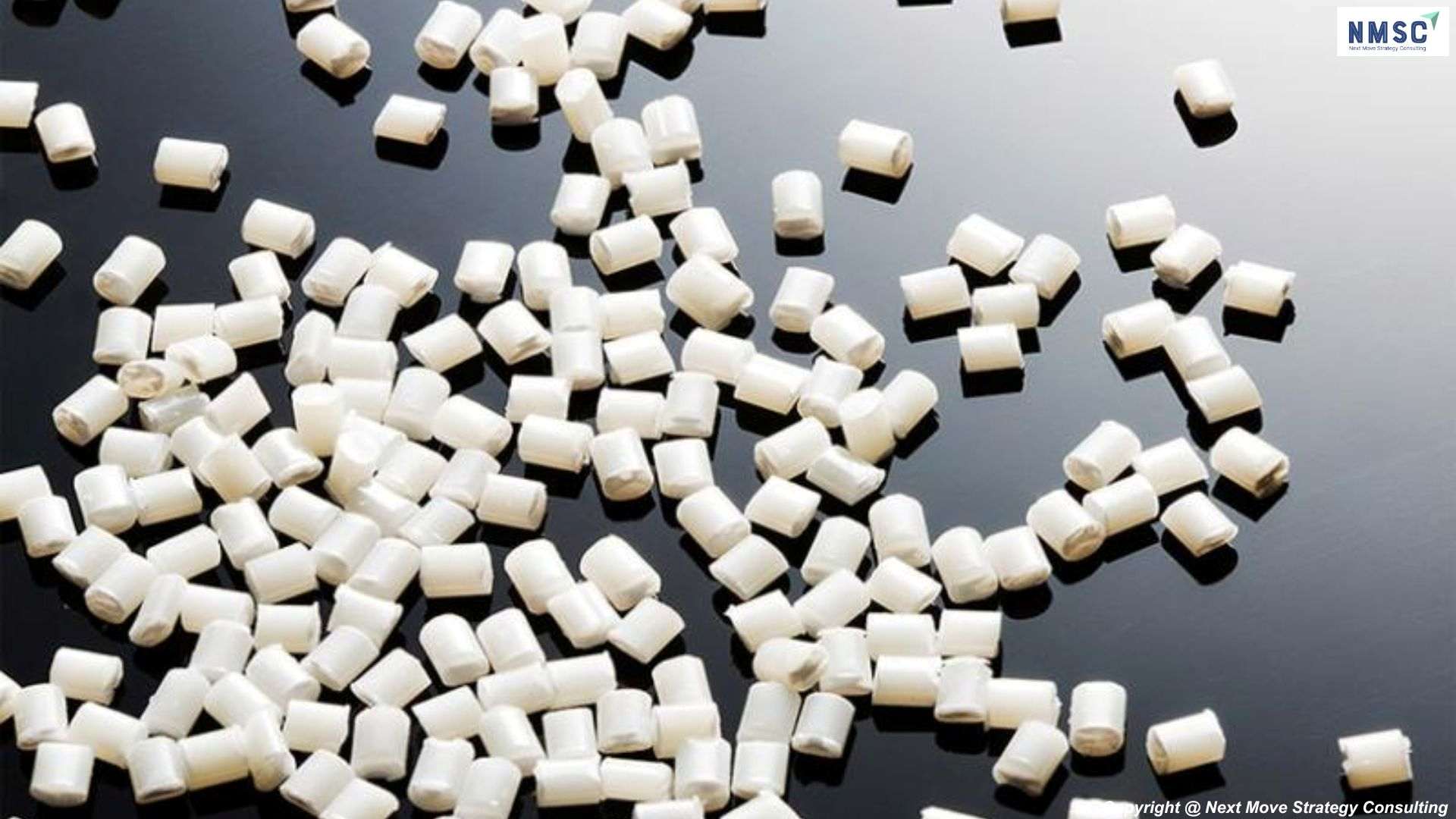
Styrene Monomer, a key building block used in plastics, resins, and synthetic rubber, is entering a new phase in 2026. The conversation is no longer just about production volumes or demand cycles. It is now centered on circularity, sustainability, and advanced recycling technologies.
Two major developments are driving this shift:
-
Advancements in chemically recycled styrene monomer production
-
Strategic industry moves to commercialize sustainable alternatives in Europe
These changes indicate a broader transformation in how the chemical industry approaches raw materials and environmental responsibility.
Analysis from Next Move Strategy Consulting indicates that the growing attention on styrene monomer reflects a long-term structural shift rather than a short-term market cycle. Sustainability is increasingly emerging as a key value driver, shaping production approaches as well as influencing purchasing decisions across industries.
Chemically Recycled Styrene Monomer Gains Commercial Momentum
One of the most notable developments in 2026 is Trinseo’s move to sell chemically recycled styrene monomer in Europe. This marks a significant step toward scaling circular solutions in the polymer industry.
Key Highlights:
-
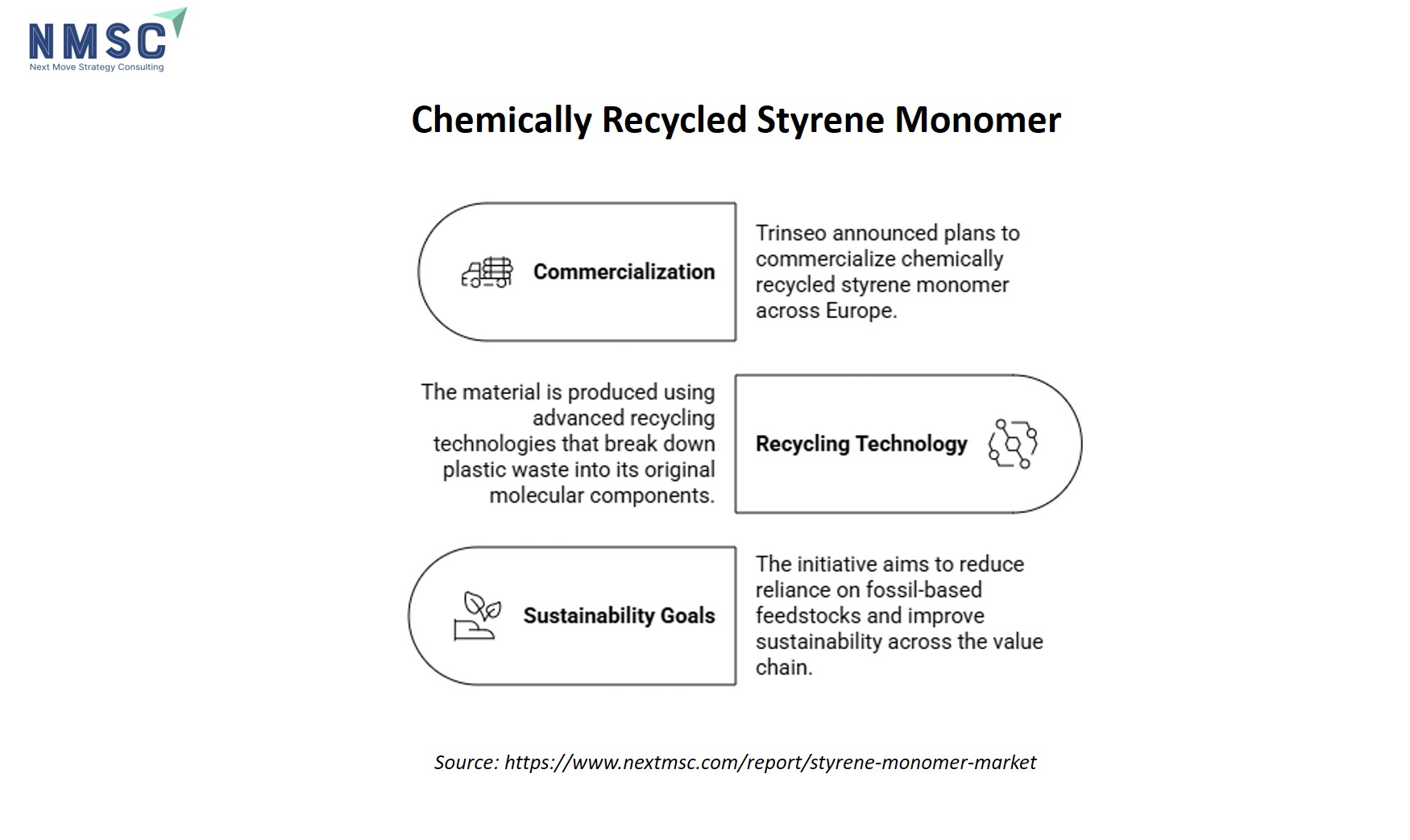
Trinseo announced plans to commercialize chemically recycled styrene monomer across Europe
-
The material is produced using advanced recycling technologies that break down plastic waste into its original molecular components
-
The initiative aims to reduce reliance on fossil-based feedstocks and improve sustainability across the value chain
Why This Matters:
-
Enables closed-loop recycling for polystyrene products
-
Supports regulatory compliance with stricter European sustainability policies
-
Enhances brand positioning for companies adopting recycled materials
Our observations at Next Move Strategy Consulting indicate that chemical recycling is advancing from early-stage trials to broader commercial adoption. This evolution highlights how companies are recalibrating their long-term investment strategies to stay aligned with tightening regulations and the growing preference for sustainable materials.
Industry Developments Strengthening Styrene Supply Chains
Recent updates from the industry indicate ongoing efforts to strengthen styrene monomer production and supply chain resilience.
Key Developments:
-
Continued focus on optimizing production efficiency and feedstock utilization
-
Increased emphasis on integrating sustainability into traditional manufacturing processes
-
Market participants are exploring ways to balance cost efficiency with environmental compliance
Key Implications:
|
Factor |
Impact on Market |
|
Production Optimization |
Improves cost competitiveness |
|
Sustainability Integration |
Meets regulatory requirements |
|
Supply Chain Stability |
Reduces disruption risks |
Sustainability Trends Driving Styrene Monomer Demand
The push toward sustainability is not just regulatory. It is also market-driven.
Emerging Trends:
-
Adoption of recycled styrene in packaging and consumer goods
-
Increased collaboration between chemical producers and recycling firms
-
Growing demand for traceable and certified recycled materials
Chemically recycled styrene monomer plays a crucial role because it maintains the same quality as virgin material while reducing environmental impact.
Challenges Still Remain:
-
High cost of advanced recycling technologies
-
Limited infrastructure for large-scale collection and sorting of plastic waste
-
Need for standardized certification systems
According to Next Move Strategy Consulting: Market Impact of 2026 Developments
The developments in 2026 are expected to create a ripple effect across the styrene monomer market.
Key Impact Areas:
-
Shift Toward Circular Economy: Chemically recycled styrene will reduce dependence on virgin fossil-based inputs
-
Regional Growth in Europe: Europe is emerging as a leader due to strong regulatory support and early adoption
-
Innovation-Led Competition: Companies investing in recycling technologies will gain market differentiation
-
Supply Chain Transformation: Integration of recycling into supply chains will redefine sourcing strategies
Key Takeaways at a Glance
-
Chemically recycled styrene monomer is entering commercial markets in Europe
-
Sustainability is becoming a core driver of innovation and investment
-
Supply chain optimization remains a priority for industry players
-
Regulatory frameworks are accelerating the shift toward circular materials
Next Steps: What Industry Players Should Do
-
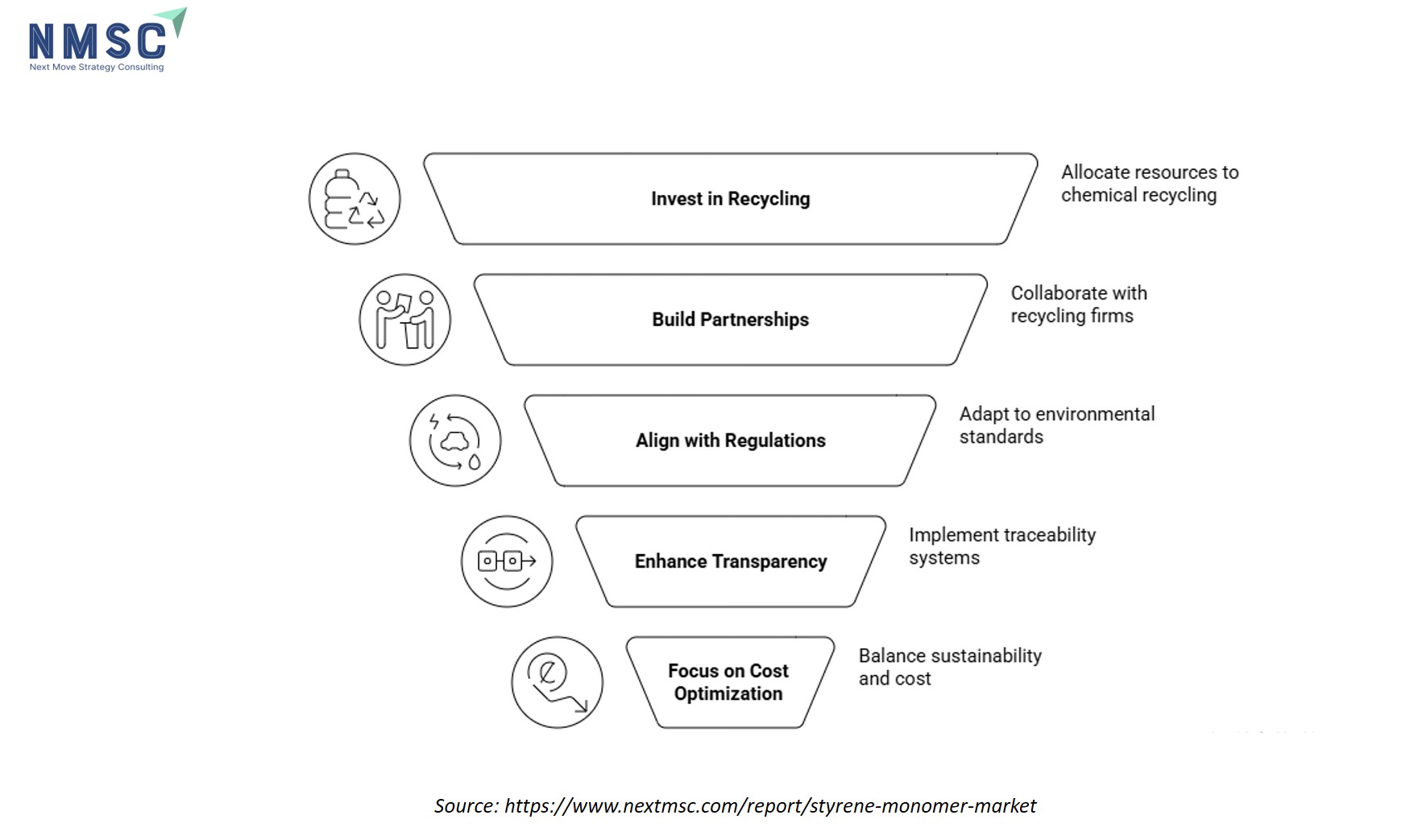
Invest in Recycling Technologies: Companies should allocate resources toward chemical recycling to stay competitive
-
Build Strategic Partnerships: Collaborating with recycling firms can accelerate market entry and innovation
-
Align with Regulatory Standards: Proactively adapting to environmental regulations will reduce compliance risks
-
Enhance Supply Chain Transparency: Implement traceability systems for recycled materials
-
Focus on Cost Optimization: Balancing sustainability with cost efficiency will be critical for long-term success
Conclusion: A Defining Shift for Styrene Monomer in 2026
The styrene monomer industry in 2026 is no longer defined solely by production scale or cost efficiency. It is being reshaped by a clear and accelerating shift toward sustainability, circularity, and innovation. The commercialization of chemically recycled styrene monomer in Europe, along with ongoing efforts to optimize supply chains, signals a turning point for the entire value chain.
What stands out is the industry’s transition from a linear model to a more circular approach, where waste is no longer an endpoint but a resource. Companies that embrace advanced recycling technologies and align with evolving regulatory frameworks are positioning themselves for long-term resilience and growth.
About the Author
 Sanyukta Deb
— Sanyukta Deb is Digital Marketing Team Lead at Next Move Strategy Consulting, where she has led content strategy and technical SEO for the firm's B2B market research publications for over 2 years. Her editorial process translates NextMSC's primary and secondary research — spanning technology, industrial, and consumer sectors — into commercial narratives, backed by search-intent, keyword, and competitive analysis. She brings 5 years of overall experience in digital marketing and content strategy.
Sanyukta Deb
— Sanyukta Deb is Digital Marketing Team Lead at Next Move Strategy Consulting, where she has led content strategy and technical SEO for the firm's B2B market research publications for over 2 years. Her editorial process translates NextMSC's primary and secondary research — spanning technology, industrial, and consumer sectors — into commercial narratives, backed by search-intent, keyword, and competitive analysis. She brings 5 years of overall experience in digital marketing and content strategy.
About the Reviewer
 Debashree Dey
— Debashree Dey is Assistant Manager at Next Move Strategy Consulting, where she supports cross-vertical market content and communications across diverse industries for 6 years. Her professional background includes senior content writing, communications, and published manuscript authorship, with experience developing audience-focused business narratives and maintaining clear, consistent messaging. Her role supports research-led content development and editorial quality across NextMSC publications.
Debashree Dey
— Debashree Dey is Assistant Manager at Next Move Strategy Consulting, where she supports cross-vertical market content and communications across diverse industries for 6 years. Her professional background includes senior content writing, communications, and published manuscript authorship, with experience developing audience-focused business narratives and maintaining clear, consistent messaging. Her role supports research-led content development and editorial quality across NextMSC publications.

















Add Comment