What Is Driving the Future of Battery Recycling?
Battery Recycling Market is rapidly evolving into a critical pillar of sustainable development. As the global reliance on battery-powered devices increases, so does the urgency to manage their lifecycle responsibly. Recent developments in 2025 highlight how innovation, regulatory frameworks, and circular economy models are reshaping the way batteries are reused and recycled.
Why Battery Recycling Is Becoming a Global Priority
The surge in battery usage, especially lithium-ion batteries, has created significant environmental and safety challenges. Improper disposal not only wastes valuable materials but also increases the risk of fire hazards and environmental damage.
Japan’s upcoming regulatory shift reflects this urgency. A new policy set to take effect in fiscal year 2026 will require manufacturers and importers to collect and recycle mobile batteries and small electronic devices. These items will be classified as “specified recyclable items,” expanding the scope of recycling obligations.
The scale of the issue is already visible. Approximately 3.63 million mobile battery units were collected in fiscal 2023 across around 8,500 collection points in Japan. At the same time, authorities have reported a growing number of fire incidents linked to improperly discarded lithium-ion batteries.
How Circular Economy Models Are Transforming Battery Recycling
A significant transformation in battery recycling is the adoption of circular economy principles. Instead of disposing of used materials, companies are designing systems to recover and reuse them within the production cycle.
Samsung’s Galaxy S25 represents a strong example of this approach. The device incorporates recycled cobalt, a critical battery material, sourced through a Circular Battery Supply Chain. This system recovers cobalt from previously used devices and manufacturing waste, reducing reliance on newly mined resources.
The innovation extends beyond batteries. The Galaxy S25 integrates eight different recycled materials, including aluminum and rare earth elements such as neodymium. Additionally, every external component of the device includes at least one recycled material, and the packaging is made entirely from recycled paper, eliminating single-use plastics.
Samsung has also introduced a self-repair program, enabling users to extend the lifespan of their devices and reduce electronic waste.
Understanding the Closed-Loop Journey of Battery Recycling
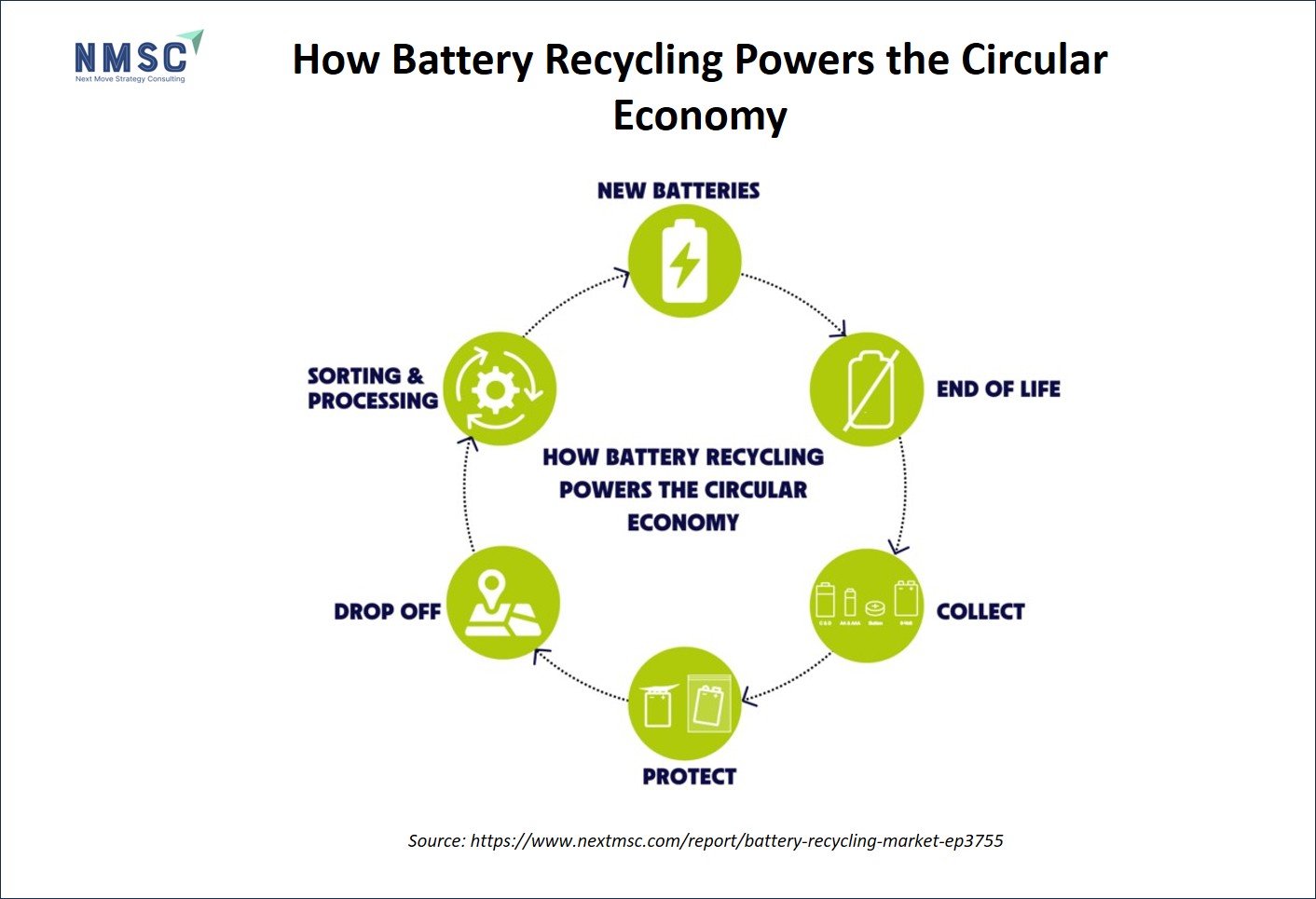
This image presents a circular flow that explains how battery recycling supports a sustainable and resource-efficient system. It starts with new batteries, representing products designed with increasing integration of recycled materials, reflecting the shift toward circular design in modern manufacturing.
As these batteries reach their end-of-life stage, they are not discarded as waste but redirected into a structured recovery system. Through organized collection channels, including retail and designated recycling points, used batteries are gathered to prevent environmental harm and material loss. This step is critical in ensuring that valuable components do not end up in landfills.
The process then moves into protection and safe handling, which is essential due to the risks associated with lithium-ion batteries, such as fire hazards. After safe transport, batteries undergo sorting and processing, where advanced techniques separate and extract key materials like cobalt, lithium, and nickel. These recovered materials are then reintroduced into manufacturing, completing the loop.
The visual ultimately emphasizes a regenerative cycle where waste is minimized, resources are preserved, and environmental impact is significantly reduced. It reflects how battery recycling is evolving into a continuous system that connects product design, consumer participation, and industrial recovery processes.
What Role Policies and Regulations Play in Battery Recycling
Government policies are playing a crucial role in accelerating battery recycling adoption. Japan’s upcoming legislation is a clear example of how regulatory frameworks are evolving to address modern e-waste challenges.
The policy will require manufacturers to actively participate in the collection and recycling process, ensuring accountability throughout the product lifecycle. It also includes safety-focused measures, such as subsidies for fire detection and suppression systems at recycling facilities.
Japan’s broader sustainability goals further reinforce this approach. The country aims to achieve recycling rates of 70% for lithium and 95% for nickel and cobalt in used storage batteries by fiscal 2030. These efforts align with its target of reducing greenhouse gas emissions by 46% by 2030.
Battery Recycling at a Glance
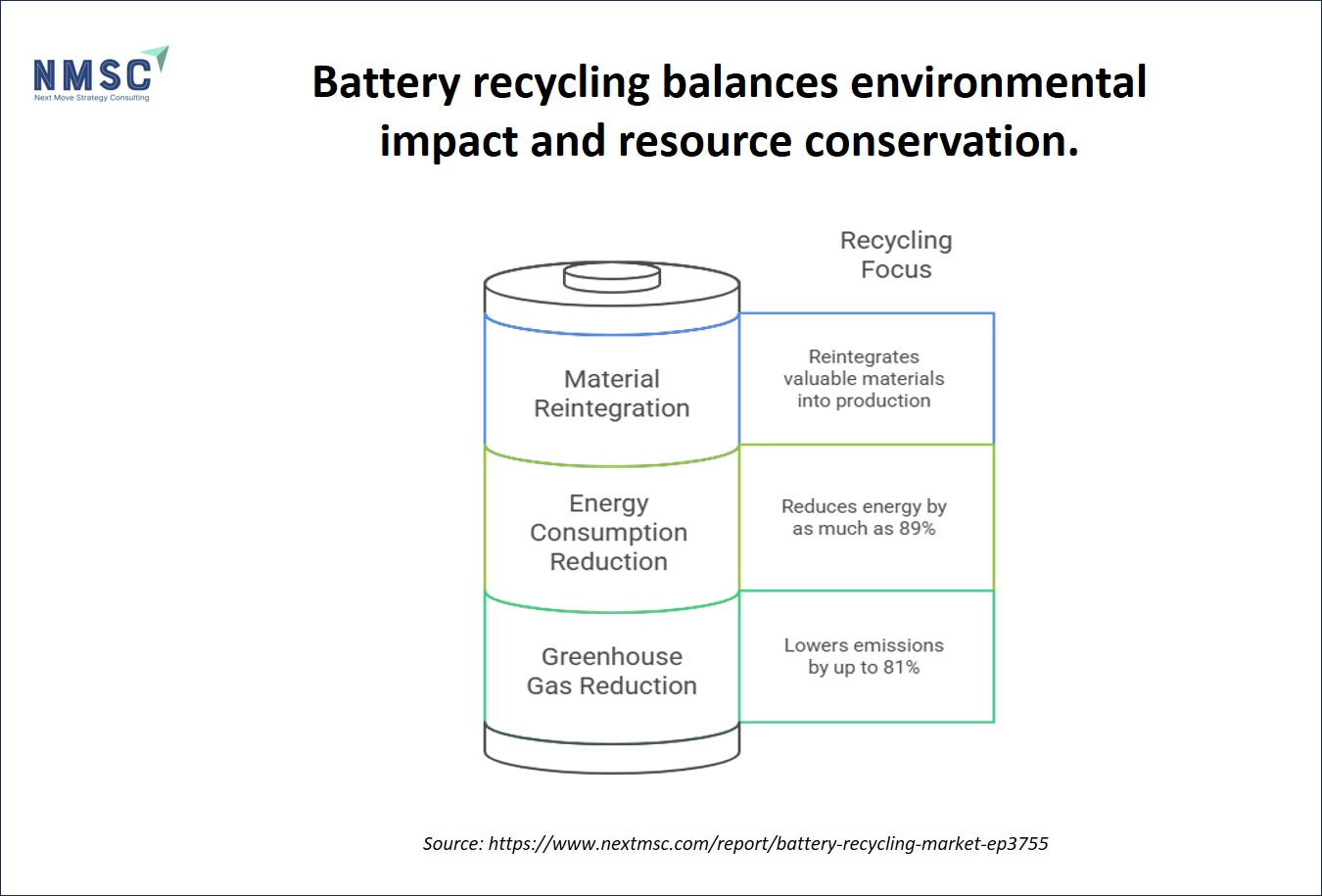
Battery recycling is emerging as a powerful solution to reduce environmental impact while conserving critical resources. Modern recycling processes can lower greenhouse gas emissions by up to 81% and reduce energy consumption by as much as 89%, making them significantly more efficient than traditional mining methods. These improvements highlight how recycling is not just a waste management strategy but a key driver of sustainable energy systems.
At the same time, structured collection systems are expanding rapidly. For instance, large-scale initiatives have already established thousands of collection points, enabling millions of used battery units to be recovered annually. This growing infrastructure ensures that valuable materials such as lithium, cobalt, and nickel are not lost but reintegrated into production cycles, supporting a circular economy.
Another critical aspect is safety and resource optimization. With rising incidents linked to improper battery disposal, advanced recycling systems now focus on safe handling, fire prevention, and efficient material recovery. Together, these efforts demonstrate how battery recycling is evolving into a comprehensive system that balances environmental protection, resource security, and operational safety.
How Battery Recycling Reduces Environmental Impact
Battery recycling offers substantial environmental benefits compared to traditional mining and disposal methods. Recovering materials from used batteries significantly reduces emissions, energy consumption, and landfill waste.
Research highlighted in recent reports shows that using recycled materials can reduce greenhouse gas emissions by up to 81% and decrease energy use by as much as 89%. These reductions are critical in the context of global climate goals.
In Japan, landfill waste reached approximately 3.16 million tonnes in fiscal 2023, underscoring the importance of improving recycling systems. By recovering valuable materials and preventing improper disposal, battery recycling contributes to both environmental protection and resource conservation.
From Resource Extraction to Circular Reuse
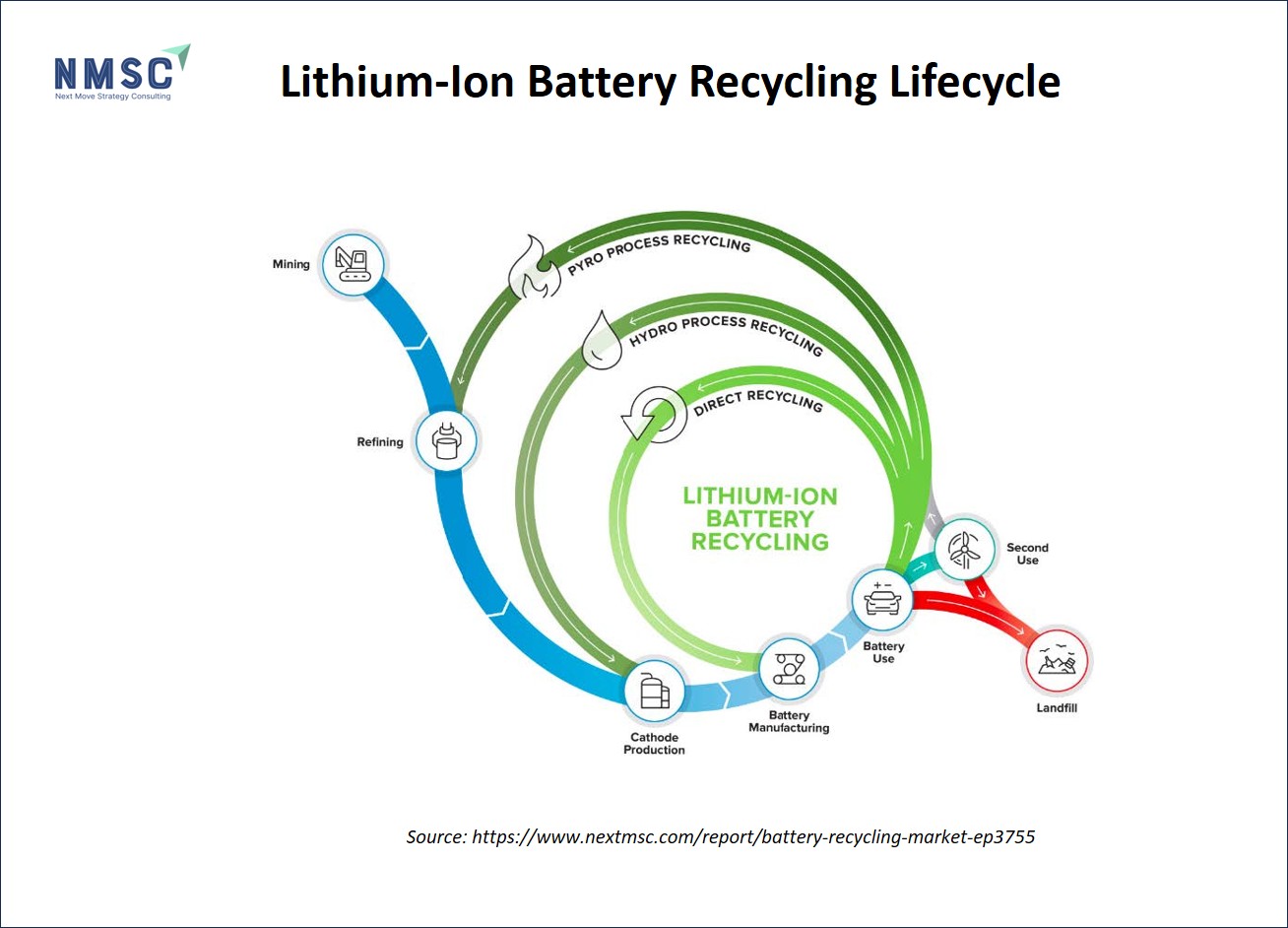
This image illustrates the complete lifecycle of lithium-ion batteries, combining both the traditional linear supply chain and modern recycling loops. It begins with mining and refining, where raw materials such as lithium, cobalt, and nickel are extracted and processed. These materials are then used in cathode production and battery manufacturing, forming the batteries that power everyday devices. This stage reflects the ongoing dependence on critical minerals, which recycling aims to reduce over time.
Once in use, batteries enter the battery use phase, after which they can follow multiple pathways. Ideally, they move into second-life applications, where partially degraded batteries are reused in less demanding roles, extending their lifespan. However, without proper systems, some batteries still end up in landfills, highlighting the risks of material loss and environmental harm.
The core of the image focuses on three major recycling methods: pyro processing, hydro processing, and direct recycling. These processes recover valuable materials from used batteries and reintroduce them into the production cycle. This aligns with recent advancements such as circular battery supply chains, where materials like cobalt are extracted from old devices and reused in new ones, reducing reliance on newly mined resources.
Overall, the diagram emphasizes a transition from a linear “take-make-dispose” model to a closed-loop system. By integrating recycling technologies, second-life usage, and structured collection, the battery ecosystem becomes more sustainable, efficient, and aligned with global efforts to reduce e-waste and environmental impact.
Major Trends Shaping the Present
Battery recycling is being shaped by a combination of technological innovation, regulatory advancements, and industry collaboration. Companies are increasingly designing products with recyclability in mind, while governments are introducing stricter policies to ensure compliance.
There is also a growing emphasis on recovering critical minerals, which are essential for battery production and often limited in supply. At the same time, safety concerns are driving investments in advanced detection and suppression systems to manage risks associated with battery disposal.
Japan Strengthens Battery Recycling Through Policy and Industry Collaboration
Japan is set to significantly expand its recycling framework starting in fiscal year 2026 by officially classifying battery-powered devices as “specified recyclable items.” This move reflects growing concerns around the environmental and safety risks posed by modern batteries, particularly those containing rare metals and posing fire hazards if improperly disposed of.
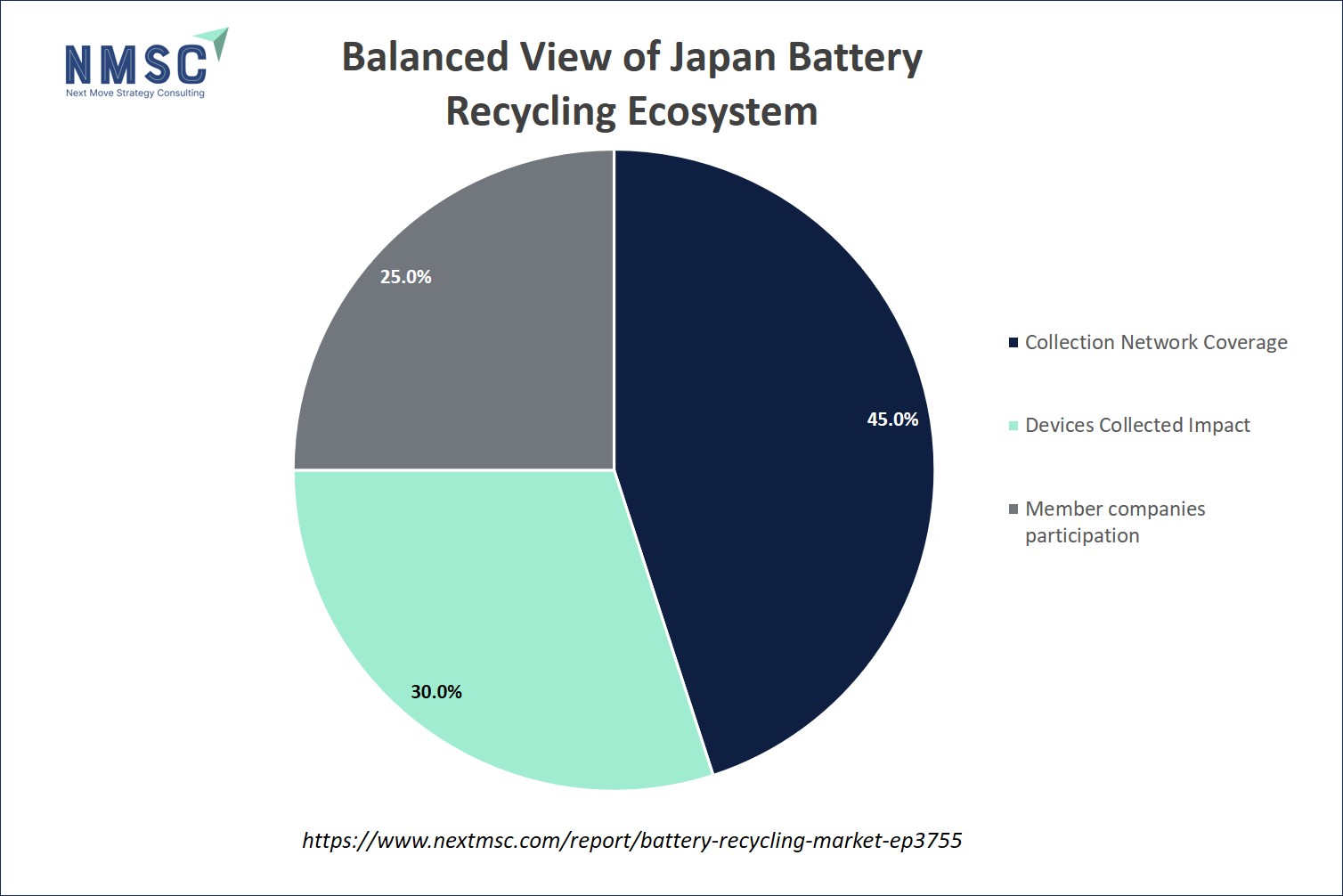
At the same time, the country has already established a strong foundation through voluntary industry efforts. Since 2017, manufacturers have been actively involved in collecting used mobile batteries under a coordinated program led by the Japan Portable Rechargeable Battery Recycling Center. With around 60 participating companies and approximately 8,500 collection points across retail stores and carrier outlets, the initiative has achieved substantial reach. This is evident in the collection of 3.63 million units in fiscal 2023, highlighting both consumer participation and the effectiveness of Japan’s recycling ecosystem.
Key Players Driving Innovation in Battery Recycling
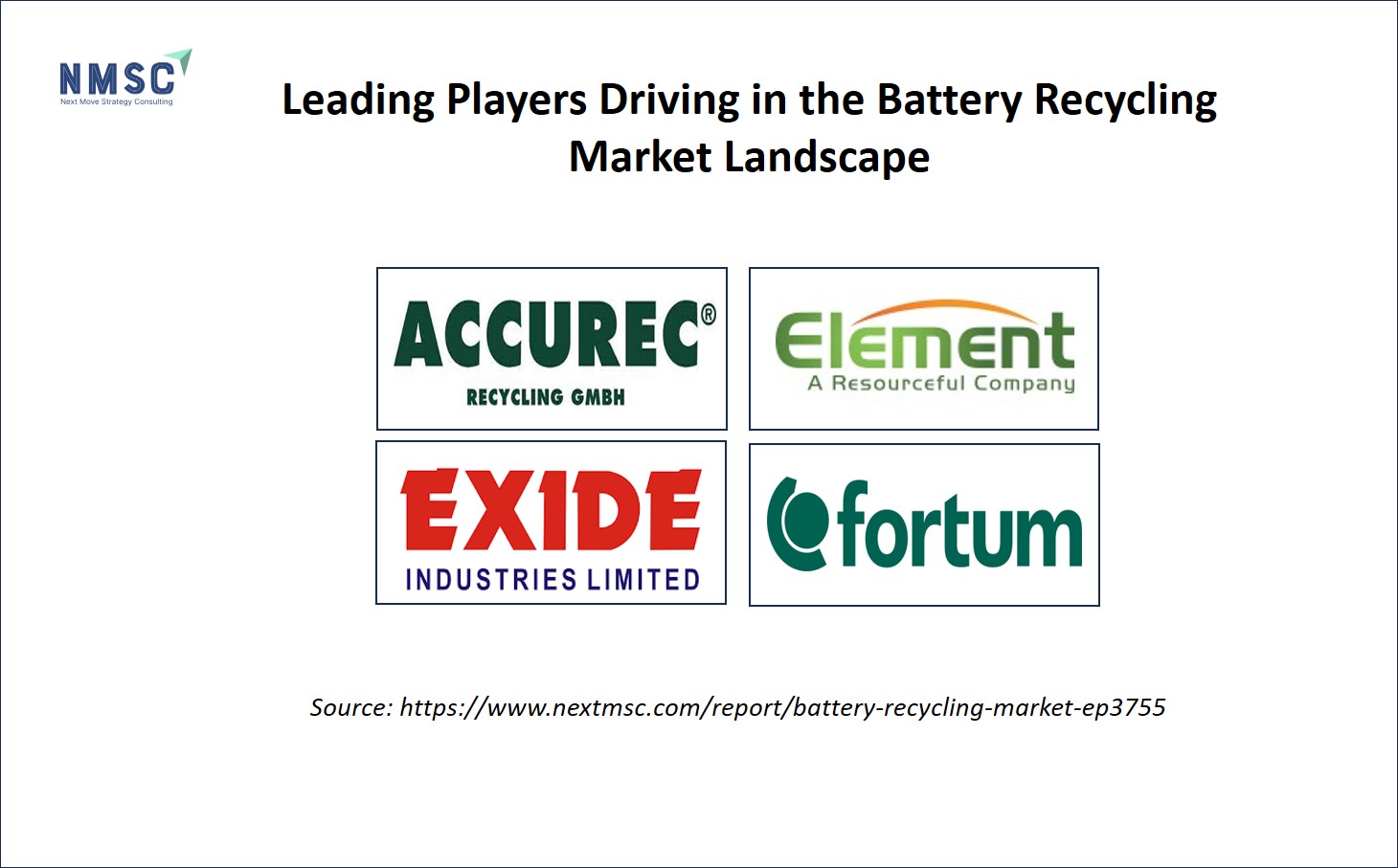
The battery recycling landscape is shaped by a diverse group of companies, including specialized recyclers, mining firms, and energy storage manufacturers. Industry leaders such as Redwood Materials, SK TES, Fortum, Glencore, and Exide Industries are intensifying competition by offering integrated recycling, refining, and closed-loop solutions tailored for OEMs.
Redwood Materials is scaling up domestic recycling and precursor production capabilities in the United States, while SK TES is strengthening its regional footprint through advanced logistics and enhanced safety systems. In Europe, Fortum stands out with its low-carbon hydrometallurgical technology, reinforcing its position as a sustainability-focused leader.
At the same time, organizations like Call2Recycle, along with regional players such as Gravita India and Gopher Resource, are playing a crucial role in streamlining collection networks and ensuring regulatory compliance through efficient feedstock aggregation.
Next Steps for Stakeholders
Organizations and policymakers must take coordinated actions to accelerate battery recycling adoption. Companies should integrate circular design principles into product development to ensure materials can be easily recovered and reused. Expanding collection infrastructure will improve accessibility and increase recycling rates.
At the same time, investing in safety technologies will help mitigate risks associated with battery disposal. Compliance with evolving regulations will be essential for maintaining operational continuity. Finally, raising consumer awareness will encourage responsible disposal practices and support the overall recycling ecosystem.
-
Implement mandatory collection systems: Governments should enforce structured take-back programs for batteries and small electronic devices to improve recovery rates.
-
Expand recycling infrastructure: Increase the number of collection points and invest in advanced recycling facilities to handle growing battery waste.
-
Adopt circular product design: Manufacturers should integrate recycled materials and design products for easy disassembly and reuse.
-
Strengthen safety measures: Deploy fire detection and suppression systems at recycling centers to address risks from lithium-ion batteries.
-
Enhance public awareness: Educate consumers on proper disposal practices to reduce improper dumping and improve participation in recycling programs.
Final Thoughts
Battery recycling is entering a transformative phase driven by innovation, policy evolution, and environmental necessity. From circular product design to national-level regulations, the shift toward sustainable material management is becoming more structured and impactful.
The focus is no longer limited to reducing waste. It is about creating a system where valuable resources are continuously reused, ensuring long-term environmental and economic sustainability.
About the Author
 Sanyukta Deb
— Sanyukta Deb is Digital Marketing Team Lead at Next Move Strategy Consulting, where she has led content strategy and technical SEO for the firm's B2B market research publications for over 2 years. Her editorial process translates NextMSC's primary and secondary research — spanning technology, industrial, and consumer sectors — into commercial narratives, backed by search-intent, keyword, and competitive analysis. She brings 5 years of overall experience in digital marketing and content strategy.
Sanyukta Deb
— Sanyukta Deb is Digital Marketing Team Lead at Next Move Strategy Consulting, where she has led content strategy and technical SEO for the firm's B2B market research publications for over 2 years. Her editorial process translates NextMSC's primary and secondary research — spanning technology, industrial, and consumer sectors — into commercial narratives, backed by search-intent, keyword, and competitive analysis. She brings 5 years of overall experience in digital marketing and content strategy.
About the Reviewer
 Debashree Dey
— Debashree Dey is Assistant Manager at Next Move Strategy Consulting, where she supports cross-vertical market content and communications across diverse industries for 6 years. Her professional background includes senior content writing, communications, and published manuscript authorship, with experience developing audience-focused business narratives and maintaining clear, consistent messaging. Her role supports research-led content development and editorial quality across NextMSC publications.
Debashree Dey
— Debashree Dey is Assistant Manager at Next Move Strategy Consulting, where she supports cross-vertical market content and communications across diverse industries for 6 years. Her professional background includes senior content writing, communications, and published manuscript authorship, with experience developing audience-focused business narratives and maintaining clear, consistent messaging. Her role supports research-led content development and editorial quality across NextMSC publications.

















Add Comment