Why Customized Rugged Devices Are Becoming a Strategic Imperative for High-Demand Industries in 2026
Problems With a One-Size-Fits-All Approach
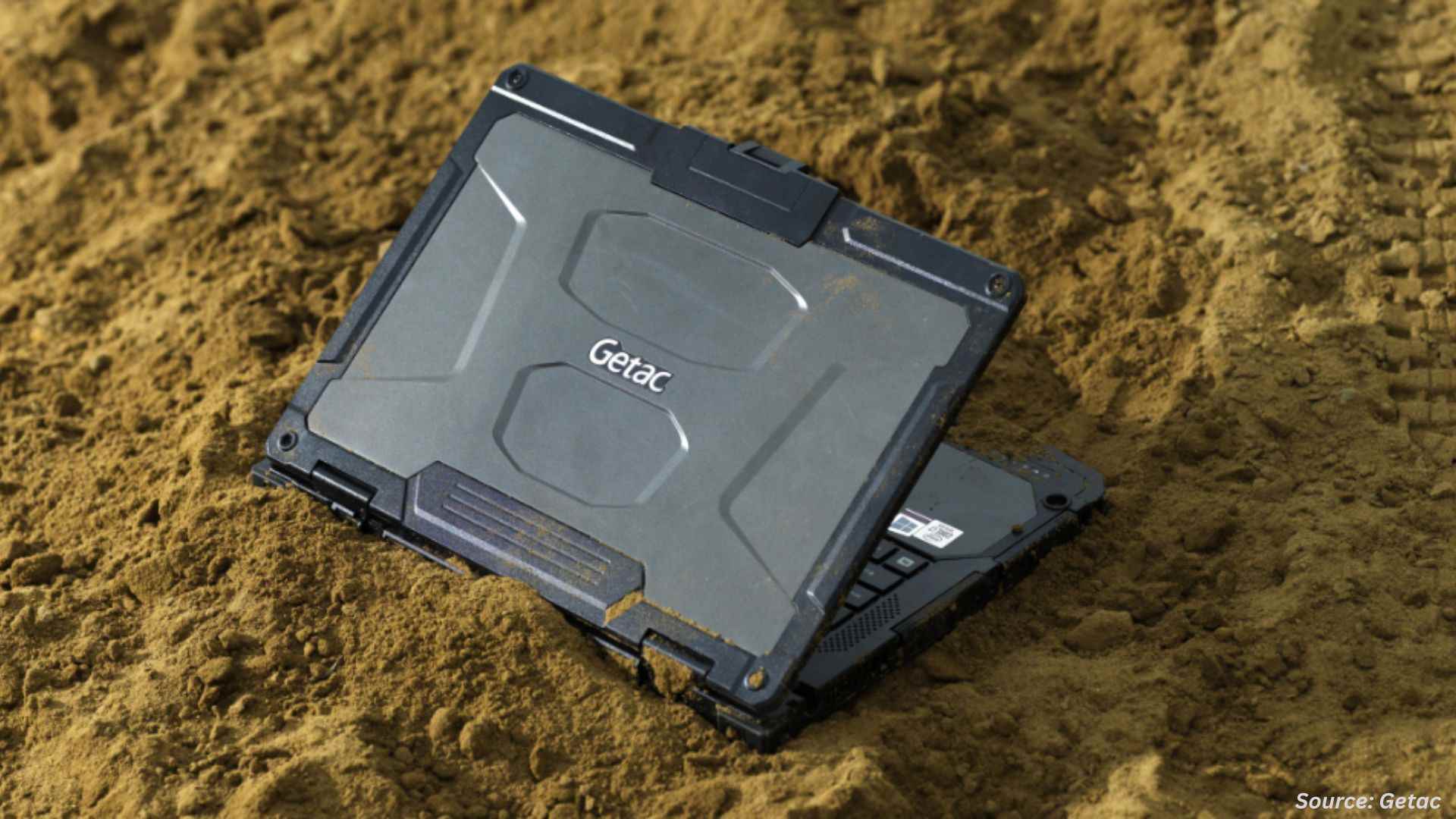
Workplaces are rarely controlled environments in sectors such as automotive diagnostics, defense, manufacturing, transportation, and utilities. They operate in unpredictable environments, often characterized by extreme temperatures, vibration, remote locations, and mission-critical uptime.
Despite these, many organizations still rely on commercial off-the-shelf (COTS) devices, resulting in poor performance, high maintenance, and shorter device lifespans.
And as digital transformation and AI accelerate, mobile computing is even more essential. But even though the IDC reported that global device spending will be upwards of $1 trillion, only 17% of IT budgets go to hardware. This results in a misalignment between actual field needs and common procurement strategies.
The Rising Demand for Customization in Rugged Technology
COTS Devices Are No Longer Enough
COTS devices are made for general use, where everyday office stressors range from coffee spills to accidental drops on carpeted floors.
As such, they often fail in the high-intensity environments of heavy industry. For example, most COTS devices aren’t able to withstand dust, moisture, thermal shock, or vibrations from a heavy vehicle mount.
They also introduce workflow friction, where the lack of industry-specific ports or sunlight-readable screens hinders the operator and slows down work. An officer or field engineer shouldn’t have to work around their technology. Instead, the hardware should be adaptable to the work environment.
While COTS hardware may have a lower upfront price, the resulting downtime, the need for IT support services, and frequent replacements when they fail lead to a much higher total cost of ownership (TCO).
Why Customization Is an Advantage
Customization links generic hardware and tailor-made industrial tools. More than just branding or minor hardware improvements, customization includes environmental adaptability, workflow integration, data security, and industry-specific functionality.
When a device is designed around a worker’s specific movements or an industry’s unique requirements, it delivers increased uptime and reduces the risks of failure.
Customization can streamline the transition from factory to field by pre-loading customer SIM cards, using custom BIOS settings, or installing proprietary software beforehand. Devices can be synchronized with daily workflows for better integration and operator adoption.
Customization can also help ensure compliance with industry standards and safety regulations. All of these can result in lower long-term TCO.
For example, rugged devices already surpass COTS in terms of failure rates and durability, offering a 38.7% lower TCO over 5 years . When they are expertly Customized to clients’ specific needs, they can further reduce indirect costs associated with downtime, training, and support services.
Inside a Modern Customization Process
Step 1: Operational Needs Discovery
To have a truly Customized device, the specific challenges and operational environment of a potential client need to be understood.
For example, stakeholders such as field operators, engineers, and officers should be engaged to gauge the workflow conditions. Regulatory standards should also be reviewed so they can be integrated with the processes. Field situations and challenges should also be considered, including extreme weather, dust, vibrations, moisture, or subsurface conditions.
Step 2: Design and Prototyping
Engineers use cutting-edge technologies and work closely with clients to build devices aligned to their operational goals.
Some examples of Customizable elements include specialized report formats, tamper-resistant and data-secure enclosures, legacy system integration, connectivity optimization, and application-specific interfaces.
Step 3: Rugged Durability Testing
Devices should be tested against MIL-STD-810H standards to ensure they will withstand various intense conditions. These include exposure to high temperatures, drops, vibrations, and water resistance.
Passing these tests assures clients that the device is durable and worth the investment.
Step 4: Long-Term Adaptability and Support
Customization also includes a roadmap for software and hardware updates, ensuring the technology adapts and improves as the clients’ digital goals and needs scale up.
This also includes training support staff to meet clients’ evolving needs in the Customization regime.
Industry Examples: How Customization Solves Real Operational Challenges
Utilities
The usual problem for utility field technicians is antenna signals. Because they are working underground in bunkers or shielded vaults, there can be dead zones that make standard devices useless.
As a custom solution, specialized SubMiniature version A (SMA) connectors can be integrated into the rugged chassis. SMA connectors allow technicians to attach high-gain antennas, ensuring continuous communication and boosting productivity.
Law Enforcement
Modern patrol vehicles are data hubs. Officers need hardware that balances accessibility with data protection. Rugged laptops can be engineered with secure doors and granular control over I/O ports.
These Customizations prevent data breach via USB or other ports in public environments. Flexible I/O configurations also allow agencies to tailor the device to specific mobile unit setups, such as dashboard-mounted displays or license-plate recognition (LPR) systems that meet CJIS standards.
Automotive Diagnostics
In automotive service and manufacturing, the diagnostic laptop handles thousands of connection cycles daily. A standard USB port is not designed to withstand the mechanical wear of an industrial OBD tool.
To solve this, reinforced USB ports can be designed. This is especially critical for use during ECU reflashing. If a connection fails mid-update, the car’s computer can be damaged, leading to parts replacements and massive delays.
Military and Defense
In the defense sector, ruggedness means more than durability and includes electromagnetic and digital stealth. A potential custom solution is to implement BIOS-level security and to remove wireless communication modules like Bluetooth, GPS, and WiFi.
While software can be hacked to restore a disabled wireless chip, physical removal provides a zero-trust hardware environment, which is essential for data isolation. Combined with MIL-STD-810H compliance and hard-shell travel cases, mission data can be protected from both physical and electronic eavesdropping.
The ROI of Custom Rugged Devices
1. Reduced Downtime = Lower Operational Costs
The actual cost of device failure is not limited to its purchase price. For example, when a field technician’s laptop fails, he becomes paid idle labor while waiting for the device to be replaced or repaired.
Add to that the costs of retrieving and reprovisioning the device as another indirect expense. Overall, customizing a device to work in harsh environments reduces mean time between failures (MTBF).
2. Extended Device Lifespan
While COTS can be nonserviceable in 18 to 24 months in harsh environments, Customized rugged devices are built for a five- to seven-year operational window.
They are protected from dust and moisture and can withstand vibrations and extreme weather conditions. External hardware is drop-resistant and features modular designs that allow for potential upgrades down the line. The durability of custom rugged devices breaks the repair-and-replace cycle.
3. Fit-for-Purpose Design = Higher Worker Efficiency
Customization enhances performance through ergonomic and functional optimization. A device tailored to a specific environment improves workflow by eliminating the need for external dongles, adapters, or complex software workarounds.
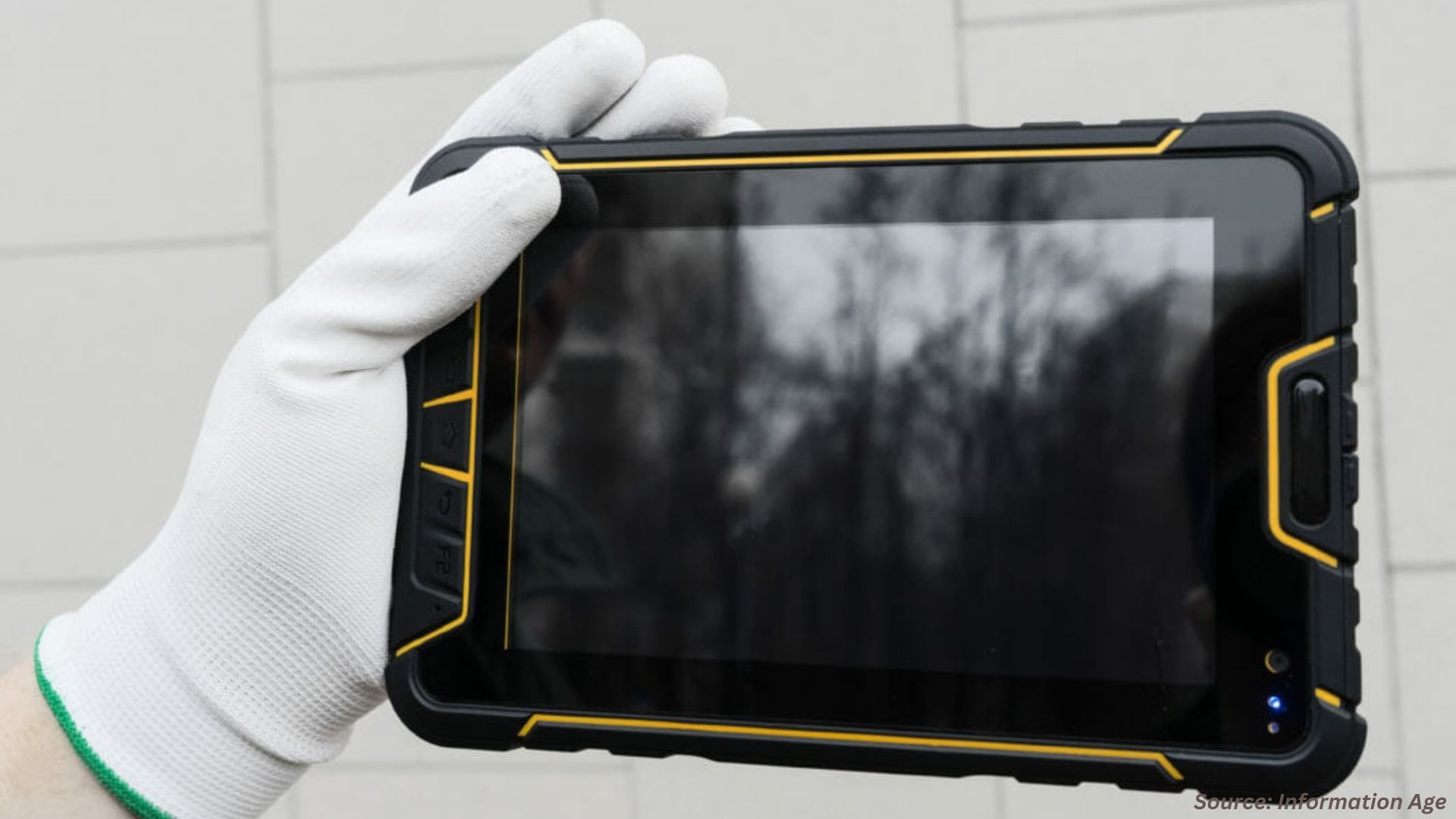
Additionally, high-sensitivity touchscreens that work with gloves on or sunlight-readable displays ensure technicians remain productive in harsh environments.
4. Scalability for Enterprises and SMBs
Custom devices are increasingly accessible across sectors, from global enterprises to small- and mid-sized businesses.
For example, modest modifications such as specific legacy port support or factory-loaded software images and BIOS settings can be implemented with speed and precision. This means that smaller teams can deploy devices that arrive “field-ready,” allowing them to compete with larger rivals through operational agility.
Why 2026 Is a Tipping Point
Today, technology cannot be just “good enough.” With the surge in AI-driven operations, organizations now require hardware that can process complex real-time data under extreme thermal and environmental stress.
Additionally, increasing scrutiny of data security and worker safety requires hardware-level compliance, which can be better achieved with custom rugged devices.
The workforce, too, is changing. They expect devices that are fast and responsive, but can also withstand field conditions.
Final Thoughts
Your technology should be as unique as your work. Harsh environments require more than one-size-fits-all solutions. High-intensity industries and other sectors no longer demand lower per-unit hardware cost, but operational efficiency.
The competitive advantage will lie with organizations that treat their hardware not as a commodity but as a crucial part of their digital transformation. If you invest in customized rugged devices, you will secure your operational future.
About the Author
 Sanyukta Deb
— Sanyukta Deb is Digital Marketing Team Lead at Next Move Strategy Consulting, where she has led content strategy and technical SEO for the firm's B2B market research publications for over 2 years. Her editorial process translates NextMSC's primary and secondary research — spanning technology, industrial, and consumer sectors — into commercial narratives, backed by search-intent, keyword, and competitive analysis. She brings 5 years of overall experience in digital marketing and content strategy.
Sanyukta Deb
— Sanyukta Deb is Digital Marketing Team Lead at Next Move Strategy Consulting, where she has led content strategy and technical SEO for the firm's B2B market research publications for over 2 years. Her editorial process translates NextMSC's primary and secondary research — spanning technology, industrial, and consumer sectors — into commercial narratives, backed by search-intent, keyword, and competitive analysis. She brings 5 years of overall experience in digital marketing and content strategy.
About the Reviewer
 Debashree Dey
— Debashree Dey is Assistant Manager at Next Move Strategy Consulting, where she supports cross-vertical market content and communications across diverse industries for 6 years. Her professional background includes senior content writing, communications, and published manuscript authorship, with experience developing audience-focused business narratives and maintaining clear, consistent messaging. Her role supports research-led content development and editorial quality across NextMSC publications.
Debashree Dey
— Debashree Dey is Assistant Manager at Next Move Strategy Consulting, where she supports cross-vertical market content and communications across diverse industries for 6 years. Her professional background includes senior content writing, communications, and published manuscript authorship, with experience developing audience-focused business narratives and maintaining clear, consistent messaging. Her role supports research-led content development and editorial quality across NextMSC publications.

















Add Comment