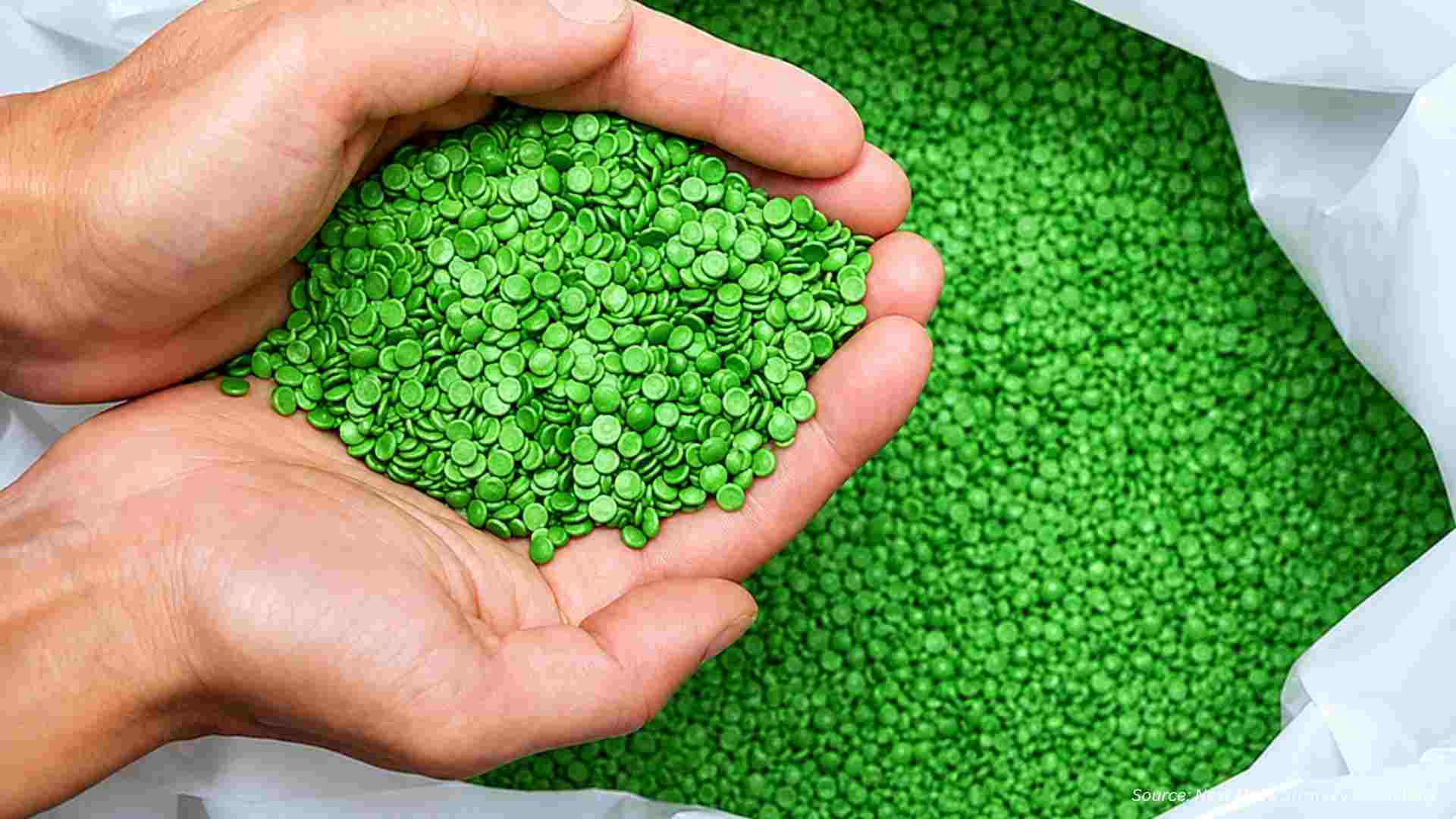
Beeswax Market By Processing Stage (Crude, Refined), By Grade (Industrial, Cosmetic, Food, Pharmaceutical), By Certification (Non-Certified, and Certified), By Bee Species (Apis Mellifera, Apis Cerana, Others), By Physical Form (Blocks, Pellets, Granules, Powder, Liquid), By Application (Personal Care, Pharma, Food, Candles, Industrial, Agriculture, Arts), By Distribution Channel (B2B, Wholesale, Retail, E-commerce) – Global Analysis & Forecast, 2025–2035
Industry: Materials and Chemical | Publishing Date: March 25, 2026 | Last Updated: September 15, 2026 | No of Pages: N/A | No. of Tables: N/A | No. of Figures: N/A | Format: PDF | Report Code: MC4344
Industry Outlook
The global Beeswax Market size was valued at USD 746.2 million in 2025 and is expected to reach USD 789 million by 2026. Looking ahead, the industry is projected to expand significantly, reaching USD 1303.9 million by 2035, registering a CAGR of 5.74% from 2026 to 2035.
Beeswax Industry Size & Forecast
|
Parameters |
Details |
|
Market Size in 2026 |
USD 789 Million |
|
Revenue Forecast in 2035 |
USD 1303.9 Million |
|
Growth Rate |
CAGR of 5.74% from 2026 to 2035 |
|
Analysis Period |
2025–2035 |
|
Base Year Considered |
2025 |
|
Forecast Period |
2026–2035 |
|
Market Size Estimation |
Million (USD) |
|
Companies Profiled |
20 |
|
Countries Covered |
33 |
|
Market Share |
Available for 10 companies |
The beeswax industry is a mature yet steadily evolving industry, shaped by both historical usage and contemporary sustainability priorities. Our analysis showed that pure beeswax, primarily derived from honeybee glandular production, is valued for its non-toxic, biodegradable properties, making it a preferred choice across cosmetics, pharmaceuticals, food coatings, and candle manufacturing. Through direct engagement with beekeepers and honey producers, we observed that quality sourcing and traceability have become critical, with suppliers emphasising ethical beekeeping practices and consistent product standards to meet stringent regulatory and consumer expectations globally.
Looking ahead, our research highlights significant growth potential of the beeswax industry in personal care, wellness, and sustainable packaging applications. Beeswax enhances texture, moisture retention, and stability in balms, creams, and salves, while its bio-degradability aligns with circular economy initiatives in coatings and packaging. With continued focus on sustainability, product integrity, and stakeholder trust, the market is positioned for resilient expansion and diversified applications.
What Are the Key Trends in the Beeswax Industry?
How did rising demand for natural and clean-label ingredients reshape beeswax consumption?
Based on our analysis, we observed that demand for natural and clean-label formulations significantly reshapes the beeswax consumption patterns across cosmetics, personal care, and food applications. As part of our primary research, we conducted interviews with cosmetic product developers and formulation chemists, who consistently reported replacing synthetic waxes with organic raw beeswax to meet consumer expectations for transparency and natural sourcing. Also, our review of formulation changes showed a higher inclusion rate of beeswax in lip care, balms, creams, and emulsions due to its multifunctional properties, including emulsification, texture enhancement, and occlusivity.
How did refinement and purification technologies drive value addition in the market?
Our evaluation of beeswax processing revealed that improvements in refinement and purification technologies are driving value in the market. Our discussions with wax processors highlighted growing investments in filtration, deodorisation, and controlled bleaching to meet cosmetic and pharmaceutical standards. Fully refined and pharmacopoeia-compliant beeswax commands significantly higher margins compared to crude forms. We also found that buyers increasingly request quality assurance documentation, including certificates of analysis for acid value, ester value, melting point, and impurity levels. At the same time, over-bleaching and heavy chemical processing raise concerns among natural-product brands, supporting a stronger demand for sun-bleached and minimally processed beeswax.
How did traceability, certification, and sustainable sourcing influence procurement decisions?
From our market assessments, we determined that traceability and sustainability certification increasingly influenced procurement decisions across premium end-use sectors. Our interviews with brand owners highlighted growing reliance on certified organic, fair-trade, and sustainably harvested beeswax support ESG commitments and regulatory compliance. Also, downstream buyers favoured vendors capable of providing origin traceability down to cooperative or regional levels. Based on our experience reviewing supplier qualification processes, traceability reduced reputational risk and improved supply consistency. However, fragmented beekeeping practices and limited standardisation across regions continued to constrain full traceability, particularly in emerging sourcing markets.
SWOT Analysis of the Beeswax Industry

The image presents a SWOT analysis of the beeswax market growth, highlighting key internal and external factors. Strengths include its status as a natural, biodegradable material with strong demand across cosmetics, pharmaceuticals, and sustainable packaging. Weaknesses involve supply volatility due to seasonal beekeeping and inconsistent regional quality. Opportunities are driven by the rising preference for organic and clean-label products. However, threats persist from synthetic wax substitutes, environmental risks to bee populations, and stricter regulatory standards addressing beeswax adulteration. This framework outlines the market's growth potential amid ecological and competitive challenges.
What Are the Key Market Drivers, Breakthroughs, And Investment Opportunities That Will Shape the Beeswax Industry in the Next Decade?
Growth Catalyst & Risk Assessment Matrix
|
DRIVERS/TRENDS/RESTRAINTS |
(+/-) % IMPACT ON THE CAGR FORECAST |
GEOGRAPHIC RELEVANCE |
IMPACT TIMELINE |
|
Rising demand for natural and clean-label ingredients in cosmetics, personal care, and food products |
+0.7% |
Global, strongest in North America, Europe, and Asia Pacific |
Short to medium term (≤ 3 years) |
|
Growing preference for sustainable and bio-based waxes replacing petroleum-derived alternatives |
+0.6% |
Europe, North America, Japan |
Medium term (2–4 years) |
|
Expansion of artisanal, organic, and handmade product industries increasing beeswax consumption |
+0.4% |
North America, Europe, Australia |
Short term (≤ 2 years) |
|
Dependence on honey production and vulnerability to climate change affecting supply stability |
–0.5% |
Global, high impact in Asia Pacific, Africa, Latin America |
Medium term (2–4 years) |
|
Increased use of beeswax in pharmaceutical, nutraceutical, and medical applications |
+0.3% |
Europe, North America, parts of Asia |
Medium to long term (3–5 years) |
Based on our comprehensive evaluation of global natural wax and bio-based ingredient markets, we observed that the beeswax market is experiencing steady growth, driven primarily by rising demand for natural and clean-label ingredients, along with increasing regulatory and consumer pressure to replace petroleum-derived waxes. Our interactions with cosmetic formulators, pharmaceutical manufacturers, and specialty ingredient distributors further indicated that beeswax is increasingly adopted as a multifunctional, naturally derived structuring and stabilising agent across personal care, healthcare, and food applications.
However, supply variability and price volatility linked to apiculture dependence constrain market scalability. At the same time, the growing emphasis on traceability, sustainability certification, and premium formulation positioning is creating new growth opportunities for high-purity and certified beeswax grades.
Growth Drivers:
How Functional Benefits and Formulation Versatility Are Driving Market Growth?
Based on our assessment with pharmaceutical developers, we observed that beeswax’s multifunctional properties are a key driver of market growth. Through interviews with R&D teams, we observed increased use of beeswax due to its emulsifying, thickening, and stabilising capabilities, which improve product texture, consistency, and shelf-life. Beeswax is increasingly incorporated in creams, ointments, lip care products, and premium candles to enhance moisture retention, barrier protection, and thermal stability. From our experience evaluating product innovation, beeswax’s compatibility with natural ingredients and its ability to replace multiple additives allows brands to streamline production and differentiate offerings, supporting its widespread adoption across both mass-market and premium segments.
How Is the Expansion of Cosmetic, Pharmaceutical, and Food Applications Strengthening Beeswax Demand?
Growing use of beeswax across cosmetic, pharmaceutical, and food applications is strengthening demand by creating diversified, regulation-backed consumption streams. In cosmetics, beeswax is widely used in lip care, skin creams, and hair products for its natural structuring and film-forming properties, aligning with clean-label and natural ingredient trends. Further, pharmaceutical demand is supported by the use of pharmacopoeia-grade beeswax in ointments, topical formulations, and controlled-release systems, where consistency and regulatory compliance are critical. According to our analysis of food applications, beeswax is increasingly used as a glazing and coating agent for fruits, confectionery, and cheese to enhance shelf life and visual appeal. Together, these end uses reduce dependence on a single sector, improve demand stability, and increase preference for refined, standardized beeswax grades.
Growth Inhibitors:
How Are Supply Variability and Price Volatility Limiting Market Growth?
Based on our assessment of global beeswax sourcing, we observed that supply variability and price volatility act as key restraints on market growth. Through interviews with beeswax processors and procurement managers, respondents frequently cited dependence on apiculture yields, seasonal variability, and regional differences in beekeeping practices as major challenges. Further, our analysis of historical pricing trends showed fluctuations linked to honey production cycles, disease outbreaks affecting bee populations, and climate-related disruptions. Inconsistent quality and limited traceability further complicated procurement, particularly for large-scale industrial buyers requiring consistent specifications. These factors, collectively, constrain long-term supply planning and limit adoption in highly price-sensitive applications.
Growth Opportunities:
How Is the Increasing Use of Beeswax in Pharmaceutical and Medical-Grade Applications Creating New Market Opportunities?
From our evaluation of pharmaceutical excipient demand and medical-grade formulation trends, we identified expanding use of beeswax in pharmaceutical and healthcare applications as a key growth opportunity for the market. Our interactions with pharmaceutical manufacturers indicated rising incorporation of pharmacopoeia-compliant beeswax in topical ointments, wound care products, controlled-release systems, and medical coatings due to its biocompatibility, low toxicity, and stabilising properties.
Further, our analysis of formulation pipelines indicates rising demand for highly refined, impurity-controlled beeswax grades that comply with USP, EP, and BP standards. Suppliers capable of delivering consistent, medical-grade beeswax with validated quality parameters and traceability are increasingly preferred for long-term supply contracts. However, stringent regulatory requirements and qualification timelines limit rapid market entry, reinforcing the importance of technical expertise and quality assurance capabilities in capturing this opportunity.
Porter’s Five Forces Analysis of the Beeswax Industry

The image introduces a Porter’s Five Forces framework applied to the beeswax market. This strategic tool will analyze industry competition by examining the bargaining power of suppliers and buyers, the threat of new entrants and substitutes, and the intensity of competitive rivalry. In the context of beeswax, this analysis would explore dynamics such as the leverage of beekeepers, the availability of synthetic alternatives, and the barriers for new suppliers entering the market. It provides a structured approach to understanding the competitive pressures shaping the beeswax industry's profitability and long-term viability.
How Beeswax Market Segmented in This Report, and What Are the Key Insights from the Segmentation Analysis?
Market Highlights & Strategic Insights – Beeswax Market:
|
Segments |
Key Takeaways |
|
Processing Stage |
Refined beeswax dominates global demand due to its standardized purity, color consistency, and compliance with cosmetic, pharmaceutical, and food-grade regulations. Within crude beeswax, cappings wax is the most valued due to its superior purity and lower contamination, while brood comb and slumgum wax serve lower-value industrial uses. |
|
Grade |
Cosmetic and pharmaceutical grades dominate due to stringent quality requirements and growing use in personal care, dermatology, and controlled-release drug formulations. |
|
Certification |
Certified beeswax is witnessing faster growth due to rising consumer preference for traceable, ethical, and sustainable products. Organic and sustainability certifications are particularly important in cosmetics and personal care, while halal and kosher certifications support expanding demand in regulated food and pharmaceutical markets. |
|
Bee Species |
Apis mellifera dominates global production due to its high productivity, global domestication, and consistent wax quality. Apis cerana plays a significant regional role in Asia, particularly in traditional beekeeping systems. Other bee species contribute niche volumes, often used in specialty, artisanal, or premium natural product segments. |
|
Production System |
Commercial apiculture dominates supply due to scalability, standardized quality control, and traceability. Traditional beekeeping supports regional and artisanal markets, while wild-harvested beeswax is growing fastest due to rising demand for organic, natural, and premium-certified wax products. |
|
Physical Form |
Blocks dominate due to ease of storage, transportation, and suitability for bulk industrial processing. Pellets and granules show the fastest growth due to ease of handling, precise formulation, and increased adoption in cosmetics and pharmaceuticals. Powder and liquid forms serve specialized applications requiring rapid melting, blending, or formulation flexibility. |
By Bee Species Insights
Which Bee Species Contribute Most Significantly to the Beeswax Market Today?
Based on bee species, the market is segmented into Apis mellifera, Apis cerana, and other bee species.
From our assessment of global apiculture and commercial wax sourcing trends, Apis mellifera dominates the beeswax market share due to its high wax productivity, adaptability to diverse climatic conditions, and extensive use in commercial beekeeping operations. Its consistent wax quality and large-scale availability make it the preferred source for high-value applications such as cosmetics, pharmaceuticals, food processing, and premium candle manufacturing. The well-established infrastructure supporting Apis mellifera further strengthens its leadership position across both developed and emerging markets. Apis cerana holds a strong regional presence, particularly across Asia, where it is widely integrated into traditional and small-scale beekeeping systems. Its beeswax is valued for use in personal care products, traditional medicine, and artisanal applications. Although its wax yield per colony is lower than Apis mellifera, its importance remains significant in culturally rooted and locally focused supply chains, especially in countries with longstanding indigenous beekeeping practices. Other bee species contribute comparatively smaller volumes but remain strategically relevant, primarily supporting niche, indigenous, and specialty markets. These species are often associated with wild or traditional harvesting methods and are valued for their unique wax characteristics and natural sourcing appeal. Industry experts highlight that these species may gain increasing importance as demand grows for biodiversity conservation, ethical sourcing, and sustainable beeswax production aligned with evolving consumer and regulatory expectations.

By Grade Insights
Which Beeswax Grade Are Shaping Market Adoption Today?
On the basis of grade, the market is segmented into industrial grade, cosmetic grade, food grade, and pharmaceutical grade.
From our evaluation of end-user procurement trends and regulatory compliance requirements, cosmetic grade beeswax accounts for the largest share of the market, driven by its extensive use in lip balms, creams, lotions, hair care products, and color cosmetics. Its high purity, stable composition, and compatibility with natural formulations make it a preferred ingredient among personal care manufacturers, particularly as demand rises for clean-label and plant-based product alternatives.

By Production System Insights
Which Production System Is Influencing Beeswax Quality and Market Preference?
On the basis of the production system, the market is segmented into commercial apiculture, traditional beekeeping, and wild harvested.
From our analysis of global sourcing and supply chain structures, commercial apiculture dominates the beeswax market due to its ability to provide consistent quality, scalable production volumes, and reliable traceability required by cosmetic, pharmaceutical, and food-grade manufacturers. Its use of modern hive management and processing techniques ensures standardized output, making it the preferred system for large-scale industrial and export-oriented applications.
Regional Outlook
Geographic Performance Snapshot:
|
Geography |
Key Takeaways |
|
North America |
Demand is driven by clean-label, natural, and organic product trends across cosmetics, personal care, and candles. Strong preference for high-purity, traceable, and sustainably sourced beeswax supports premium pricing in a mature beeswax market. |
|
Europe |
A regulation- and sustainability-driven market with strict quality, residue, and environmental standards. Certified and ethically sourced beeswax is increasingly preferred, particularly in cosmetics, pharmaceuticals, and natural food applications, supporting stable premium demand. |
|
Asia‑Pacific |
Asia Pacific is the fastest-growing region, driven by expanding personal care manufacturing, traditional medicine usage, and rising consumer awareness of natural ingredients. China and India dominate production, while Japan drives demand for refined, high-quality beeswax products. |
|
Latin America |
Growth in Latin America is supported by expanding beekeeping activities and increasing use of natural ingredients in cosmetics and food. The region acts as both a supply base and a developing consumption market, with price sensitivity shaping demand. |
|
Middle East & Africa |
MEA is an emerging market with strong production potential supported by traditional uses, growing cosmetic manufacturing, and export-oriented beekeeping. However, inconsistent quality standards, fragmented supply chains, and limited infrastructure constrain rapid market expansion. |
The beeswax market is geographically studied across North America, Europe, Asia Pacific, the Middle East & Africa, and Latin America, and each region is further studied across countries.
Beeswax Market in North America
North America represents a mature, demand-driven beeswax market, characterised by high regulatory standards, strong demand from cosmetics and pharmaceutical industries, and well-established ingredient distribution networks. From our regional assessments, we observed that North America accounted for a significant share of global beeswax consumption in 2025, despite limited domestic production. The United States dominated regional demand, driven by clean-label personal care products, pharmaceutical ointments, and premium candle manufacturing, while Canada showed steady growth supported by natural health products and food applications. Our field research further indicated that strict compliance with USP and FDA standards influenced procurement decisions, increasing demand for fully refined and pharmacopoeia-grade beeswax.
Beeswax Market in the United States
The United States remained the largest beeswax consumer in North America, accounting for the majority of regional demand. Based on our interactions with cosmetic formulators and pharmaceutical manufacturers, we observed that adoption was driven by strong clean beauty trends, natural personal care formulations, and medical-grade applications. Fully refined and white beeswax dominated consumption, particularly in lip care, dermatological products, and OTC pharmaceuticals. Our analysis showed that reliance on imported beeswax from Asia, Africa, and Latin America increased emphasis on quality consistency, supplier audits, and long-term contracts. The market increasingly shifted toward certified, application-specific grades supported by documentation and traceability, strengthening margins for compliant suppliers.
Beeswax Market in Canada
In Canada, we observed steady and structurally sound growth in beeswax demand, supported by natural health products, organic cosmetics, and food glazing applications. Our engagements with manufacturers indicated a strong preference for sustainably sourced and minimally processed beeswax aligned with Health Canada regulations. Compared with the United States, Canadian buyers exhibited lower volume consumption but higher emphasis on ethical sourcing, organic certification, and long-term supplier relationships. Further, domestic beekeeping contributed modest supply, but imports remained essential, reinforcing the importance of quality assurance and traceability across the supply chain.
Beeswax Market in Europe
Europe accounted for a substantial share of global beeswax demand and demonstrated a regulation-intensive, sustainability-driven market profile. Our EU market analysis showed strong consumption across cosmetics, pharmaceuticals, food coatings, and speciality candles. Strict REACH compliance, cosmetic regulations, and organic certification standards raised entry barriers but supported long-term market stability. Moreover, adoption patterns vary by region, with Western Europe emphasising premium cosmetic formulations, Central Europe focusing on pharmaceutical and industrial applications, and Southern Europe maintaining traditional candle and food uses. These dynamics increased qualification requirements while reinforcing trust, supplier credibility, and consistent demand for high-purity beeswax.
Beeswax Market in the United Kingdom
The UK beeswax market shows stable demand driven by clean beauty brands, artisanal candle manufacturing, and pharmaceutical usage. From our observations, we noticed a growing preference for refined and sun-bleached beeswax to meet cosmetic and labelling requirements. Strong demand for organic and cruelty-free products influenced procurement strategies, favouring suppliers offering traceable and ethically sourced beeswax. Despite supply-chain adjustments following Brexit, distributors strengthened import diversification and inventory buffers, supporting market continuity and resilience.
Beeswax Market in Germany
Germany exhibits a quality-focused, technically disciplined beeswax market, driven by pharmaceutical manufacturing, natural cosmetics, and food-grade applications. Our research further indicated strong uptake of pharmacopeia-compliant beeswax grades meeting EP and BP standards. Also, German buyers prioritise consistent physico-chemical properties, supplier audits, and long-term supply reliability. The country’s strong chemical and pharmaceutical ecosystem support close collaboration between processors, laboratories, and downstream users, reinforcing demand for premium, fully refined beeswax with detailed quality documentation.
Beeswax Market in France
In France, we observed steady growth in beeswax consumption centred on cosmetics, dermo-cosmetics, and specialty food applications. Based on our market assessment, we observed an increasing adoption aligned with the clean beauty movement and preference for natural structuring agents. Also, regulatory emphasis on ingredient transparency and sustainability influenced supplier qualification. Buyers favoured beeswax with organic certification and low environmental impact, while artisanal and luxury brands support premium pricing for high-quality, traceable products.
Beeswax Market in Italy
Italy’s beeswax market demand reflects a blend of traditional consumption patterns and expanding modern applications, contributing a notable share of Southern European demand. Our analysis indicates sustained use in candle manufacturing and food glazing, alongside rising demand from natural and premium cosmetic brands driven by clean-label personal care trends. The presence of fragmented manufacturing structures and artisanal producers increased the need for flexible sourcing, small-batch supply, and customised product specifications. Suppliers offering consistent quality, traceable regional sourcing narratives, and technical formulation support achieved stronger market penetration and brand partnerships across personal care and specialty product manufacturers.
Beeswax Market in Spain
Spain’s beeswax market is driven by steady demand from cosmetic manufacturing, candle production, and traditional food applications. Based on our regional assessment, Spanish cosmetic brands increasingly utilise beeswax as a natural structuring agent aligned with clean-label and organic product trends. Further, artisanal candle producers and natural personal care manufacturers contribute to stable consumption patterns. Buyers prioritise certified, traceable, and cosmetic-grade beeswax to meet EU regulatory requirements and consumer expectations for natural ingredients..
Beeswax Market in the Nordics
The Nordic countries, including Sweden, Finland, and Norway, represented niche but high-value beeswax markets characterised by strong sustainability-driven purchasing behaviour. Our observations indicated that buyers prioritised ethical sourcing, environmental impact, and traceability, reflecting high consumer awareness and stringent sustainability expectations. Beeswax demand was primarily concentrated in natural cosmetics, wellness products, and speciality candles, where certified ingredients support premium positioning. As a result, certified and traceable beeswax commanded premium pricing in the region. We also found that vendors offering transparent supply chains, low-impact processing methods, and comprehensive lifecycle sustainability documentation achieved stronger brand loyalty and long-term partnerships with premium personal care and lifestyle brands.
Beeswax Market in the Asia-Pacific
Asia-Pacific emerged as the largest global production hub and a fast-growing consumption region for the market. Based on our analysis of production volumes and trade flows, the region supplied a significant share of global beeswax, supported by extensive apiculture activity in China, India, Vietnam, and Southeast Asia. Consumption growth is driven by expanding cosmetics manufacturing, pharmaceutical production, and food processing industries. Government support for beekeeping and rural livelihoods further strengthened the supply. We noticed that for market participants, quality standardisation, refinement capability, and export compliance are critical to capturing value.
Beeswax Market in China
Based on our regional analysis, China accounted for the largest share of global beeswax production and exports. The country operates primarily as a scale-driven supplier, supported by extensive beekeeping networks and vertically integrated processing capabilities. We also observed that domestic demand is led by pharmaceuticals, traditional medicine, and cosmetics manufacturing. Chinese processors are increasingly investing in advanced refinement and quality testing to align with international standards.
Beeswax Market in Japan
In Japan, we observed a quality-driven and regulation-focused market, characterised by demand for highly refined and impurity-controlled grades. Our field research indicated strong usage in pharmaceuticals, cosmetics, and speciality food applications. Japanese buyers prioritised consistency, safety documentation, and long-term supplier reliability. These dynamics favoured premium suppliers capable of delivering stable quality and detailed compliance support.
Beeswax Market in India
India represents a rapidly growing beeswax production and consumption market, supported by expanding apiculture activities, traditional medicine practices, and rising cosmetics manufacturing. Based on our market assessment, beeswax is increasingly used in Ayurveda formulations, personal care products, and selected food applications, reflecting growing domestic awareness of natural ingredients. Domestic consumption remains fragmented and dominated by small-scale buyers and artisanal producers, while exports are primarily focused on crude and semi-refined beeswax for cost-sensitive international markets.
Our analysis further indicated that limited refining capacity, inconsistent quality, and traceability challenges constrain India’s participation in high-value segments. However, increasing investment in modern refinement infrastructure, quality certification, and sustainable sourcing frameworks is creating opportunities for Indian suppliers to move up the value chain, access premium cosmetic and pharmaceutical markets, and strengthen export competitiveness.
Beeswax Market in South Korea
South Korea represents a quality-conscious beeswax market, driven by high demand in cosmetics, pharmaceuticals, and functional foods. Based on our research, we observed domestic consumption emphasizes refined and speciality-grade beeswax, with strict adherence to purity and safety standards. Korean buyers prioritise traceability, consistent quality, and compliance with local and international regulations. This creates opportunities for suppliers who offer premium, certified beeswax with documented sourcing and batch reliability.
Beeswax Market in Taiwan
Taiwan’s market is characterised by small- to medium-scale apiculture and a focus on natural and traditional applications. Our market observations indicated strong use in cosmetics, candles, and artisanal food products. Domestic production is complemented by selective imports of high-purity and speciality grades. Buyers emphasize product authenticity, organic certification, and consistent quality, favouring suppliers capable of meeting these standards and supporting small-scale but technically sophisticated operations.
Beeswax Market in Indonesia
From our analysis of the Indonesian beeswax market, we found a production-driven landscape, with abundant apiculture resources and significant smallholder participation. Based on field insights, domestic consumption spans cosmetics, traditional medicine, and confectionery, while exports focus on crude and semi-refined grades. Challenges include variable quality, limited refinement infrastructure, and fragmented supply chains. Moreover, opportunities exist for suppliers investing in processing capabilities, quality testing, and certification to access both domestic premium segments and international markets.
Beeswax Market in Australia
Australia features a high-standard, niche-driven beeswax market characterised by strong demand for natural, organic, and ethically sourced ingredients. Our assessment indicated extensive use across cosmetics, pharmaceuticals, and health-focused applications, supported by a mature clean-label consumer base. Australian buyers prioritise purity, certified organic production, and environmental sustainability, which supports premium pricing and long-term supplier relationships. We also observed that suppliers offering traceable, high-quality beeswax and comprehensive compliance documentation achieved stronger penetration in domestic premium segments. Furthermore, Australia presents significant export potential for producers that adhere to stringent international quality, regulatory, and documentation requirements, positioning the country as both a premium consumer and supplier market.
Beeswax Market in Latin America
Latin America represents an emerging but strategically important region in the global beeswax market, functioning primarily as a raw material sourcing and export-oriented region. Based on our regional assessments, countries such as Brazil, Mexico, Argentina, and Chile contribute meaningful volumes of crude and semi-refined beeswax, supported by favourable climatic conditions and expanding apiculture activity. Our regional analysis indicated that beeswax is largely generated as a by-product of honey production, with exports directed toward North America and Europe.
Domestic consumption remains relatively limited and concentrated in candle manufacturing, traditional cosmetics, and food glazing applications. Quality variability, fragmented beekeeping practices, and limited standardisation influence pricing and buyer confidence, increasing reliance on intermediaries and exporters for quality consolidation and market access. In response to these challenges, there is growing interest in certification programs, cooperative-led aggregation models, and investment in basic refinement infrastructure, aimed at improving product consistency, traceability, and value capture. These developments are expected to support gradual movement up the value chain and improved access to premium export markets over the medium term.
Beeswax Market in the Middle East & Africa
The Middle East represents a demand-driven, import-dependent beeswax market, characterised by strong consumption in cosmetics, personal care, pharmaceuticals, and speciality candles. Based on our regional evaluation, Gulf Cooperation Council (GCC) countries, including the UAE and Saudi Arabia, account for the majority of regional demand, supported by high consumer spending, premium beauty products, and expanding pharmaceutical manufacturing. Our field interactions with formulators showed a strong preference for refined and white beeswax grades that meet cosmetic and pharmaceutical standards.
From our assessment, we have also found that limited domestic apiculture constrained local production, increasing dependence on imports from Asia, Africa, and Europe. Buyers emphasised documentation, halal compliance where applicable, and consistent quality. Premium positioning, private-label cosmetics, and luxury candle brands supported higher margins for compliant suppliers. However, regulatory alignment and import dependency increased exposure to supply-chain disruptions and pricing volatility.
Competitive Landscape
Competitive Dynamics & M&A Landscape:
|
Key Takeaways |
|
The beeswax market includes a mix of dedicated beeswax manufacturers, refiners, global wax traders, and regional honey producers such as ArjunBees Wax Industries, Aravali Honey Industries, Alpixo Group, Strahl & Pitsch, Prairie Sun, NZ Beeswax, Dongguang Longda Wax, Beijing Beehall Biological Pharmaceutical, ASAL ORGANICS, Ames Farm, Kalki Agro Foods, RBF Farma, SHREE GIRI CORPORATION, Bill’s Bees, Norevo, Aquatic Chemicals, Henan Mingshengfeng Bio-Technology, Dadant & Sons, Koster Keunen, and Paramold Manufacturing. These companies manufacture beeswax as a core refined product or as a by-product of honey processing, supplying cosmetic, pharmaceutical, food, and industrial applications |
|
Companies are increasingly focusing on sustainable sourcing, traceability, and advanced purification technologies to comply with regulatory requirements for cosmetic, pharmaceutical, and food-grade beeswax. Strategic priorities include expanding beekeeper and raw material sourcing networks, enhancing refining and filtration capabilities, premium and organic product differentiation, and strengthening global distribution channels to meet rising demand for natural and bio-based ingredients. |
|
Recent corporate activity among these players remains limited, with most companies privately owned or family-operated. Large-scale mergers and acquisitions are minimal, with companies primarily focusing on capacity expansion, processing infrastructure upgrades, distribution partnerships, and private-label manufacturing agreements. Overall, investment activity is centred on strengthening vertically integrated supply chains and scaling premium and specialty beeswax portfolios to capture growing demand across cosmetics, pharmaceuticals, and food industries |
Which Companies Dominate the Beeswax Industry and How Do They Compete?
Based on our analysis of suppliers and end-use applications across cosmetics, pharmaceuticals, food processing, and industrial sectors, the global beeswax market is primarily led by a diverse mix of specialized wax refiners, vertically integrated apiary operators, and global ingredient suppliers. Companies such as Stakich, Changxing Bee Products Co., Ltd., Koster Keunen, Strahl & Pitsch, Paramelt B.V., Norevo GmbH, Gustav Heess GmbH, and The British Wax Refining Co. Ltd. have consistently emerged as influential participants, particularly in high-purity and pharmaceutical-grade beeswax segments where traceability, consistency, and regulatory compliance are critical.
Further, key regional and specialized producers such as Cangzhou Senlin Wax Industry Co., Ltd., Hebei Xushi Beeswax Co., Ltd., Zhengzhou Sinova Development Co., Ltd., Paramold Manufacturing LLC, New Zealand Beeswax Ltd., Dadant & Sons, Inc., Beijing Beehall Biological Pharmaceutical Co., Ltd., Henan Mingshengfeng Bio-Technology Co., Ltd., Bill's Bees, CERARICA NODA Co., Ltd., Arjun Beeswax Industries, and Shree Giri Corporation (GiriWax) are valued for supplying minimally processed, high-purity beeswax suitable for personal care, pharmaceutical, and food-contact applications. Competition at this level is driven primarily by supply reliability, refining expertise, global export capability, and long-term buyer relationships rather than aggressive price competition alone.
Market Dominated by Beeswax Giants and Specialists
Our research, supported by trade flow assessments and buyer interviews, indicates that the competitive landscape is further shaped by regionally anchored producers such as New Zealand Beeswax Ltd., Cangzhou Senlin Wax Industry Co., Ltd., Beijing Beehall Biological Pharmaceutical Co., Ltd., Changxing Bee Products Co., Ltd., Stakich, Arjun Beeswax Industries, and Shree Giri Corporation (GiriWax), which secure raw beeswax through direct beekeeper partnerships, cooperative sourcing networks, and vertically integrated procurement models, particularly across Asia-Pacific, Europe, and other key production hubs.
In parallel, buyers consistently reference suppliers such as Bill's Bees, Norevo GmbH, Henan Mingshengfeng Bio-Technology Co., Ltd., Dadant & Sons, Inc., Koster Keunen, Paramold Manufacturing LLC, Paramelt B.V., Strahl & Pitsch, and Gustav Heess GmbH when seeking origin-specific, pharmaceutical-grade, and minimally refined beeswax for cosmetics, candles, food coatings, and specialty industrial applications. This dual structure—where established global refiners and regional producers ensure supply continuity and volume, alongside specialized suppliers providing traceable, high-purity, and application-specific wax—highlights how sourcing expertise, refining capabilities, and long-standing buyer relationships reinforce their authority in the sector.
While integrated apiary operators and global wax processors typically anchor bulk and mid-grade supply segments, regional specialists compete by leveraging proximity to beekeeper networks, raw material traceability, and flexible processing capabilities. This creates a complementary and competitive ecosystem that supports both high-volume industrial demand and premium, niche application requirements across the global beeswax market.
Innovation and Adaptability Drive Market Success
Speciality suppliers such as Norevo GmbH, Koster Keunen, New Zealand Beeswax Ltd., Bill's Bees, and Gustav Heess GmbH are capitalising on the rising consumer demand for organic, clean-label, and traceable beeswax products, positioning themselves at the forefront of premium and niche market segments. Based on our assessment with manufacturers and downstream buyers, these companies consistently provide transparent sourcing documentation, refined and semi-refined grades, and application-specific variants tailored for cosmetics, pharmaceuticals, nutraceuticals, and specialty industrial coatings, ensuring both quality and regulatory compliance. At the same time, suppliers such as Paramelt B.V., Strahl & Pitsch, Paramold Manufacturing LLC, CERARICA NODA Co., Ltd., and Changxing Bee Products Co., Ltd. demonstrate strong adaptability by offering customised filtration levels, colour grades, and formulation-ready beeswax suited for diverse end uses. By responding quickly to evolving demand and clearly communicating product origin, refinement standards, and application suitability, these suppliers effectively meet specialised customer requirements while building long-term trust and credibility, highlighting how innovation-focused and differentiated players operate alongside larger industrial producers in the global beeswax market.
Market Players to Opt for Merger & Acquisition Strategies to Expand Their Presence
Our analysis of global market developments indicates that mergers and acquisitions in the beeswax sector remain strategic and capability-driven, with a strong focus on securing raw material supply, strengthening refining expertise, and expanding regulatory-compliant product portfolios. In this context, established producers such as Arjun Beeswax Industries, Shree Giri Corporation (GiriWax), Strahl & Pitsch, Koster Keunen, and Paramelt B.V. are well-positioned to form strategic partnerships or acquire regional processors, particularly across Asia-Pacific, Latin America, and Africa, to enhance sourcing networks and improve supply chain traceability. At the same time, specialty and natural ingredient suppliers such as Norevo GmbH, Gustav Heess GmbH, New Zealand Beeswax Ltd., Paramold Manufacturing LLC, and Changxing Bee Products Co., Ltd. are expected to pursue bolt-on acquisitions and strategic collaborations to accelerate their expansion into high-growth applications such as cosmetics, pharmaceuticals, and food-grade coatings. Collectively, this strategic approach highlights how leading beeswax suppliers leverage acquisitions, vertical integration, and regional partnerships to reinforce technical expertise, maintain consistent quality standards, and ensure reliable global supply in response to increasing demand across multiple end-use industries.
List of Key Beeswax Companies
-
Stakich.
-
Changxing Bee Products Co., Ltd.
-
Koster Keunen
-
Strahl & Pitsch
-
Paramelt B.V.
-
Norevo GmbH
-
Gustav Heess GmbH
-
The British Wax Refining Co. Ltd.
-
Cangzhou Senlin Wax Industry Co., Ltd.
-
Hebei Xushi Beeswax Co., Ltd.
-
Zhengzhou Sinova Development Co., Ltd.
-
Paramold Manufacturing LLC
-
New Zealand Beeswax Ltd.
-
Dadant & Sons, Inc.
-
Beijing Beehall Biological Pharmaceutical Co., Ltd.
-
Henan Mingshengfeng Bio-Technology Co., Ltd.
-
Bill's Bees
-
CERARICA NODA Co., Ltd.
-
Arjun Beeswax Industries
-
Shree Giri Corporation (GiriWax)
What Are The Latest Key Industry Developments?
Based on our industry assessments, companies such as ArjunBees Wax Industries, Aravali Honey Industries, Alpixo Group of Companies, Strahl & Pitsch, Inc., Prairie Sun, NZ Beeswax, Dongguang Longda Wax Co., and others are strengthening their apiculture and raw material supply chains to enhance consistency, traceability, and quality of beeswax products. These players are expanding beekeeper networks, investing in purification and refining technologies, implementing stringent quality control and residue testing protocols, and aligning with international cosmetic, pharmaceutical, and food-grade standards.
Our analysis also indicates that the rising demand for natural, sustainable, and clean-label ingredients is driving increased utilisation of beeswax as a high-value by-product, with manufacturers focusing on certification, premium-grade product launches, and export-oriented portfolios to strengthen market positioning, ensure regulatory compliance, and build buyer confidence across global end-use industries.
What Are The Key Factors Influencing Investment Analysis & Opportunities In The Beeswax Market?
Based on our assessment, the investment in the beeswax market is increasingly shaped by the growing demand for natural, organic, and speciality-grade products across cosmetics, pharmaceuticals, and food applications. Funding trends indicate that investors are prioritising ventures with integrated supply chains, quality-certified processing, and the ability to scale production sustainably. Valuation considerations focus on refinement capabilities, traceability, and access to premium export markets, reflecting the emphasis on product quality and regulatory compliance.
Emerging investment hotspots include regions with strong apiculture networks, growing domestic consumption, and export potential. Startups and established players enhancing processing infrastructure, adopting sustainable practices, or targeting high-value applications are attracting strategic and private equity interest. Investors are also attentive to market fragmentation, opportunities for consolidation, and the ability to differentiate through certifications, traceability, and innovation in product forms and applications.
Key Benefits For Stakeholders:
Next Move Strategy Consulting (NMSC) presents a comprehensive analysis of the beeswax market trends, covering historical trends from 2020 through 2025 and offering detailed forecasts through 2035. Our study examines the market at regional and country levels, providing quantitative projections and insights into key growth drivers, challenges, and investment opportunities across all major beeswax segments.
From our assessment, we have observed that the beeswax industry delivers measurable value to a broad stakeholder base. Investors benefit from scalable production, premium product segments, and export-oriented growth opportunities supported by quality certifications and traceable sourcing. Manufacturers and processors gain operational efficiency, product differentiation, and access to both domestic and international markets. Further, we have also noticed that end-users in cosmetics, pharmaceuticals, and food sectors secure reliable, high-purity supply, supporting regulatory compliance, innovation, and brand value. By connecting sustainable production with consistent quality, the industry creates sustained value across the supply chain while supporting long-term profitability.
|
Parameters |
Details |
|
Customization Scope |
Free customization (equivalent to up to 80 analyst-working hours) after purchase. Addition or alteration to country, regional & segment scope. |
|
Pricing and Purchase Options |
Avail customized purchase options to meet your exact research needs. |
|
Approach |
In-depth primary and secondary research; proprietary databases; rigorous quality control and validation measures. |
|
Analytical Tools |
Porter's Five Forces, SWOT, value chain, and Harvey ball analysis to assess competitive intensity, stakeholder roles, and relative impact of key factors. |
Key Market Segments
By Processing Stage
-
Crude Beeswax
-
Comb Wax
-
Cappings Wax
-
Brood Comb Wax
-
Slumgum Wax
-
-
Refined Beeswax
-
Filtered
-
Bleached
-
Sun Bleached
-
Chemical Bleached
-
-
By Grade
-
Industrial Grade
-
Cosmetic Grade
-
Food Grade
-
Pharmaceutical Grade
By Certification
-
Non-Certified
-
Certified
-
Organic Certified
-
Fair Trade Certified
-
Halal Certified
-
Kosher Certified
-
Sustainability Certified
-
By Bee Species
-
Apis Mellifera
-
Apis Cerana
-
Other Bee Species
By Production System
-
Commercial Apiculture
-
Traditional Beekeeping
-
Wild Harvested
By Physical Form
-
Blocks
-
Pellets
-
Granules
-
Powder
-
Liquid
By Application
-
Personal Care
-
Lip Care
-
Creams and Lotions
-
Makeup
-
Hair Care
-
-
Pharmaceuticals
-
Ointments
-
Dental Products
-
Controlled Release Systems
-
-
Food Industry
-
Glazing Agent
-
Coating Agent
-
Processing Aid
-
-
Candles
-
Religious Candles
-
Decorative Candles
-
Premium Natural Candles
-
-
Industrial Applications
-
Polishes
-
Lubricants
-
Mold Release Agents
-
Electrical Insulation
-
Textile Treatment
-
-
Agriculture
-
Foundation Sheets
-
Grafting Wax
-
Tree Wound Protection
-
-
Arts and Crafts
-
Modeling Wax
-
Sculpting
-
Wax Seals
-
Instrument Care
-
By Distribution Channel
-
Direct B2B
-
Distributors and Wholesalers
-
Retail Stores
-
Specialty Stores
-
Hypermarkets and Supermarkets
-
-
E-commerce
Geographical Breakdown
-
North America: U.S., Canada, and Mexico.
-
Europe: UK, Germany, France, Italy, Spain, Sweden, Denmark, Finland, the Netherlands, and rest of Europe.
-
Asia Pacific: China, India, Japan, South Korea, Taiwan, Indonesia, Vietnam, Australia, Philippines, Malaysia and rest of APAC.
-
Middle East & Africa (MEA): Saudi Arabia, UAE, Egypt, Israel, Turkey, Nigeria, South Africa, and rest of MEA.
-
Latin America: Brazil, Argentina, Chile, Colombia, and rest of LATAM.
Expert Insight:
 “Our partnership with Koster Keunen is a welcome development for us in our effort to catalyze private sector investments in West Africa. By organizing beekeeping activities for smallholders, our partner can transform the beeswax supply chain so that it elevates the farmers and is profitable for businesses”.
- Michael Clements, The Trade Hub’s Chief of Party
Conclusion & Recommendations
Our report equips stakeholders, industry participants, investors, and consultants with actionable intelligence to capitalise on the evolving dynamics in the global market. By combining rigorous data-driven analysis with proven strategic frameworks, NMSC’s Beeswax Market Report serves as a critical decision-support resource for navigating a market shaped by growing demand for natural, organic, and high-purity products.
The beeswax market is positioned for sustained growth, driven by expanding applications in cosmetics, pharmaceuticals, food, and speciality industrial products. Key strategic insights highlight the increasing importance of quality certifications, traceable sourcing, and value-added refinement, as these capabilities enhance product consistency, regulatory compliance, and market credibility.
For executives and investors, capturing value requires focusing on high-growth opportunities such as premium and speciality-grade beeswax, sustainable and organic sourcing, and investment in processing and quality infrastructure. Expanding presence in emerging markets, particularly in Asia-Pacific and regions with strong apiculture networks, unlocks new consumption and export potential. Scalability, product consistency, and certified quality further enhance supplier reputation and accelerate adoption, creating durable value across the global beeswax ecosystem.


About the Author
 Jayanta Das
— Jayanta Das is Senior Analyst at Next Move Strategy Consulting, where he has spent 4.5 years covering the firm's full industry taxonomy — spanning aerospace and defense, healthcare, BFSI, energy and power, semiconductors, and beyond — rather than one specialization. His work follows NextMSC's research model, combining data mining, analytics, and secondary research to build market sizing and forecasts behind NextMSC's 2,000-plus research reports, trusted by more than 3,000 organizations globally.
Jayanta Das
— Jayanta Das is Senior Analyst at Next Move Strategy Consulting, where he has spent 4.5 years covering the firm's full industry taxonomy — spanning aerospace and defense, healthcare, BFSI, energy and power, semiconductors, and beyond — rather than one specialization. His work follows NextMSC's research model, combining data mining, analytics, and secondary research to build market sizing and forecasts behind NextMSC's 2,000-plus research reports, trusted by more than 3,000 organizations globally.
About the Reviewer
 Supradip Baul
— Supradip Baul is an accomplished business consultant and strategist with over a decade of rich experience in market intelligence, strategy, technology, and business transformation. His work has included rigorous qualitative and quantitative analysis across multiple industries, helping clients shape investment decisions and long-term roadmaps. Earlier in his career, he was associated with Gartner, where he contributed to industry-leading reports and market share analyses. He has worked with leading global companies and holds an MBA with a dual specialization in Marketing and Finance.
Supradip Baul
— Supradip Baul is an accomplished business consultant and strategist with over a decade of rich experience in market intelligence, strategy, technology, and business transformation. His work has included rigorous qualitative and quantitative analysis across multiple industries, helping clients shape investment decisions and long-term roadmaps. Earlier in his career, he was associated with Gartner, where he contributed to industry-leading reports and market share analyses. He has worked with leading global companies and holds an MBA with a dual specialization in Marketing and Finance.
At Next Move Strategy Consulting, we understand that insightful market research is the cornerstone of successful business decisions. That's why we employ a robust and multifaceted approach, combining various methodologies to deliver the most accurate and actionable data for our clients.

Research Landscape
We navigate the world of research with two primary approaches:
Qualitative Approach
Our qualitative research methodologies involve immersive techniques such as in-depth interviews, focus groups, and observational studies. By engaging directly with individuals and stakeholders, we uncover valuable insights that quantitative data alone may overlook.

Quantitative Research
In tandem with qualitative methodologies, NMSC leverages the power of Quantitative Research to provide a robust foundation of numerical insights. Through systematic data collection and analysis, we quantify patterns, preferences, and market trends, offering a comprehensive view of the business landscape.
Our quantitative research approach employs diverse tools, including surveys, experiments, and statistical modelling. These methodologies enable us to gather data from a large and representative sample, ensuring the statistical significance of our findings. By employing structured questionnaires and standardized data collection methods, we guarantee the reliability and validity of the information we present to our clients.
Quantitative research is particularly effective in measuring the prevalence of trends, assessing market size, and gauging the impact of various factors on consumer behavior. The numerical precision attained through this approach equips our clients with actionable insights, facilitating data-driven decision-making and strategy formulation.


Our Specialized Toolbox for Industry-Specific Market Research
We deploy a specialized arsenal of techniques tailored to meet your unique requirements. Here's a glimpse into our comprehensive toolbox:

Information Procurement
The stage entails acquiring market data or relevant information through various sources and methodologies.


Market Research Approach
We utilize both top-down and bottom-up approaches in market research analysis to achieve a comprehensive understanding of the market dynamics, leveraging the broad perspective of industry trends and macroeconomic factors alongside detailed insights from specific segments and individual companies.

Porters Five Forces Analysis
We conduct Porter's Five Forces analysis to evaluate the competitive landscape of an industry, providing us with insights into factors that affect profitability and strategic positioning.

SWOT Analysis

Forecasting
We utilize a forecasting model to predict future consumption by considering parameters like population, economics, regulations, market competition, drivers, constraints, technology, and pricing. We also employ statistical techniques such as multilinear regression, exponential smoothing, moving average, ARIMA, and Monte Carlo simulations for accurate predictions. In econometric forecasting, we analyzed short-term and long-term event impacts, attributing values based on regulatory frameworks, economic factors, and market events.





 Speak to Our Analyst