Tortilla Market By Core Ingredients (Corn Tortillas, Specialty Grain Tortillas & Others), By Processing Method (Fresh, Frozen & Others), By Product Type (Traditional Tortillas & Others), By Value-Added Features (Premium Specialty Varieties & Others), By Production (Industrial & Others), By Dietary (Conventional & Others), By Packaging Technology (Modified Atmosphere & Others), By Price Tier (Premium & Others), and By End User (Foodservice & Retail)– Global Analysis & Forecast, 2025–2035
Industry: Retail and Consumer | Publishing Date: January 12, 2026 | Last Updated: September 30, 2026 | No of Pages: N/A | No. of Tables: N/A | No. of Figures: N/A | Format: PDF | Report Code: RC3942
Industry Outlook
The global Tortilla Market size was valued at USD 40.80 billion in 2025 and is expected to reach USD 42.68 billion by 2026. Looking ahead, the industry is projected to expand significantly, reaching USD 64.03 billion by 2035, registering a CAGR of 4.61% from 2026 to 2035.
The tortilla market has evolved from a regionally concentrated staple into a mature yet dynamic global category within the broader bakery and convenience-foods sector. Once rooted primarily in Latin American cuisine, flatbread are now manufactured and consumed worldwide, supported by both major food corporations and agile regional producers. Growth is driven by rising consumer demand for convenient, portable and ethnically inspired food formats, positioning tortillas as a core item across frozen, fresh, quick-service and casual dining segments.
Manufacturers are accelerating innovation through gluten-free recipes, alternative grains, functional fortification and extended shelf-life technologies, while supply chain and retail strategies emphasise expanded distribution, private label growth and convenience-focused formats. Their versatility, as wraps, tacos, burritos, quesadillas, snack bases or ready-meal components, ensures strong traction across retail and foodservice, from single-serve offerings to bulk supply. Looking forward, premiumization, health-driven reformulations, sustainability initiatives and expansion into emerging markets where Western and Mexican cuisines are gaining popularity are expected to shape competitive differentiation. Meanwhile, digital retail, frozen logistics and modern packaging solutions will continue to influence future category positioning and consumer adoption patterns.
What Are the Key Trends in the Tortilla Industry?
How is the Tortilla Market Deepening Ties with Retail and QSR Channels to Capture Mainstream Demand?
Tortillas continue transitioning from an ethnic niche product to a mainstream grocery and foodservice staple, driven by capacity expansion and strategic partnerships across retail and quick-service restaurant (QSR) channels. Major manufacturers are reinforcing this shift, exemplified by the world’s largest tortilla producer committing USD 43.2 million in 2024 to increase tortilla and snack production and strengthen retail distribution, clear evidence that scaling infrastructure is becoming essential to meet supermarket and QSR volume requirements. As a result, product assortments are widening, with more SKUs appearing in stores and tailored B2B formats such as pre-cut, par-baked and heat-and-serve solutions becoming standard in supply agreements. To fully capitalise on this momentum, firms are expected to strengthen trade marketing capabilities, focusing on joint promotional planning, data-sharing models, and strategies that improve point-of-sale velocity. Co-branded QSR test menus and long-term supply contracts are emerging as high-value levers to secure recurring volume and enhance margin performance, anchoring corn tortillas firmly within both mainstream retail and foodservice ecosystems.
How is the Tortilla Market Adapting to Nutrition Policy and Health-Forward Eating While Keeping Accessibility?
Health and nutrition priorities are increasingly influencing tortilla formulation strategies, with whole grain, fibre-fortified, reduced-sodium, and gluten-free variants gaining traction as policy pressure and consumer preferences shift toward cleaner, better-for-you options. U.S. consumption data shows handmade tortillas are already a meaningful part of daily household and children’s diets, which makes healthier alternatives a mainstream commercial opportunity rather than a premium niche. However, achieving this requires careful cost, sourcing, and regulatory balance, particularly as tightening nutrition labelling laws and public procurement standards determine which products qualify for institutional or assistance programs. To derisk reformulation, companies are expected to run controlled pilots linked to distinct nutrition claims and test elasticity through A/B shelf placement and pricing strategies before mass rollout. Aligning serving sizes and nutrient thresholds with school meal frameworks or public buying standards unlock high-volume, stable contracts. Ultimately, a measured, data-backed health pivot that maintains affordability ensures tortillas remain widely accessible while meeting evolving dietary expectations.
How is the Tortilla Market Using Automation and Capex to Cut Costs and Improve Consistency?
The tortilla sector is entering a more aggressive phase of operational investment, with producers prioritising automation, plant expansion, and advanced milling technologies to secure long-term cost competitiveness and quality consistency. Investor reports and recent corporate communications highlight active capital programs aimed at increasing throughput, reducing energy consumption, and improving control over processing emissions, key factors as regulatory pressure and margin sensitivity intensify. Automation is enabling higher output of core SKUs, reducing labour-driven variability, and supporting tailored product formats for retail and foodservice partners. Strategically, firms benefit from a dual-path investment model: short-term retrofits that improve yield, energy efficiency, and line uptime, alongside selective greenfield capacity in high-growth or export-driven markets to minimise tariff exposure and cold-chain inefficiencies. A practical entry point is piloting smart sensor systems on a single line to quantify waste and performance variance, then scaling proven efficiencies across multiple sites. Early disclosures from leading players indicate that these investments are delivering measurable financial and operational returns, reinforcing automation and capacity modernisation as essential levers for competitive advantage.
What Are the Key Market Drivers, Breakthroughs, and Investment Opportunities that will Shape the Tortilla Industry in the Next Decade?
The global tortilla industry now sits at the intersection of long-standing cultural tradition and modern convenience-driven innovation. While deeply rooted in Latin American cuisine, tortillas have evolved into a mainstream staple across North America, Europe, and increasingly urban markets in Asia-Pacific. This expansion is supported by major producers scaling manufacturing capacity and diversifying portfolios to include wheat, corn, gluten-free, whole-grain, and fortified variants. Recent disclosures from leading manufacturers indicate steady sales growth and improved margins, driven by wider retail penetration, the rise of frozen and shelf-stable formats, and expanding partnerships with foodservice operators and quick-service restaurant chains.
Tortillas are used across food service, like tacos, burritos, wraps, retail, like fresh and shelf-stable packs, snacks like tortilla chips and meal kits, making them highly versatile in product development and channel strategies. Looking forward, the industry’s prospects rest on premiumization, better-for-you formulations, e-commerce distribution growth, and geographic expansion, while input-cost dynamics and regulatory scrutiny in key markets remain watchpoints.
Growth Drivers:
How will Changing Consumer Lifestyles and Ethnic Food Adoption Drive Tortilla Demand?
Consumers’ demand for quick, portable, and ethnic foods is a primary engine for tortilla growth. Urbanisation, multi-cultural menus, and the rise of fast-casual and delivery channels increase the use of tortillas as convenient meal bases like tacos, burritos and wraps. Retailers respond by widening SKUs, fresh, frozen, pre-seasoned, whole-grain and gluten-free, making tortillas suitable for health-conscious and time-pressed shoppers. Large manufacturers’ recent sales gains reflect both expanded retail distribution and growing foodservice contracts that scale volume. As cuisines globalise, tortillas move from ethnic niche to pantry staple in many households, supporting steady category growth and enabling innovation. For context, leading producers have highlighted expansion investments and consistent sales increases in recent filings.

Moreover, this chart indicates substantial urban populations in developed countries such as Germany, the UK, France, South Korea, Canada, and Australia in 2024, which is a critical driver for market growth in the market. Urbanisation tends to boost the demand for convenient and versatile foods like tortillas, as urban dwellers prefer ready-to-eat or easy-to-prepare food options due to fast-paced lifestyles and limited time for meal preparation. These large urban consumer bases also attract more retail, foodservice, and speciality product channels, creating opportunities for tortilla manufacturers to expand distribution and adapt product offerings to evolving tastes and health trends. As urban populations continue to concentrate purchasing power and shape food consumption preferences, the market is poised for robust growth in these regions, supported by strong infrastructures, high disposable incomes, and ongoing innovation in product formats and flavours, which cater specifically to the preferences of city-based consumers.
How will Distribution Expansion and Rising E-Commerce Adoption Accelerate Tortilla Market Growth?
Wider retail penetration and rapid digital commerce adoption are opening new growth pathways for the tortilla market. Supermarkets, hypermarkets, club stores, and convenience chains are expanding shelf allocation, introducing premium, flavoured, and health-focused variants that appeal to broader shopper profiles. This enhanced physical presence increases product visibility, encourages impulse buying, and supports higher volume turnover for established brands. At the same time, e-commerce, fuelled by online grocery platforms, quick-commerce services, and direct-to-consumer channels, is reshaping how consumers discover, trial, and regularly purchase tortillas. Subscription models, bundled meal kits, and algorithm-based product suggestions are driving repeat purchases and accelerating SKU experimentation. Digital platforms also give regional producers national and cross-border reach without heavy logistics investment. As retailers scale omnichannel models, including click-and-collect and rapid delivery, tortillas benefit from their high replenishment frequency, convenience value, and suitability for cross-category promotions, reinforcing steady and sustainable demand growth.

Thus, this chart showing the share of the global E-Commerce market by country in 2025 highlights strong dominance by China and significant contributions from the USA, with smaller yet meaningful shares from the UK, Japan, South Korea, Germany, and France. This distribution impacts tortilla market growth by signalling where digital retail channels are most robust and where tortilla producers most effectively leverage online platforms to expand reach, boost sales, and introduce new product formats. In countries with higher eCommerce market shares, particularly China and the USA, tortilla brands benefit from direct-to-consumer strategies, enhanced consumer engagement, and smart logistics solutions, enabling faster market penetration and adaptation to shifting consumer preferences. Ultimately, strong national eCommerce ecosystems directly facilitate faster growth and greater scalability for market players looking to capitalise on changing purchasing behaviours and the ongoing transition from brick-and-mortar stores to online food retailing.
Growth Inhibitors:
How do Raw-Material Price Volatility and Market Concentration Threaten Margins and Access?
Input price volatility remains a key restraint on the tortilla market, driven by fluctuating corn and wheat costs and, in some regions, concentrated upstream supply chains. Sharp swings in global grain prices, linked to weather, trade disruptions, or geopolitical factors, directly pressure manufacturing margins. Where a small number of dominant corn-flour suppliers hold regional pricing power, cost increases cascade into higher retail prices, triggering demand sensitivity and potential regulatory scrutiny, especially in countries where tortillas are dietary staples. Mexico’s recent antitrust reviews of major suppliers underscore this risk. To mitigate the constraint, manufacturers are increasingly deploying hedging strategies, diversifying grain sourcing, exploring blends and alternative grains, and improving pricing transparency to stabilise operations and protect consumer affordability.
What Emerging Investment Opportunity Exists in Frozen & Ready-To-Heat Tortilla Platforms and Adjacent Meal Solutions?
Investing in frozen and ready-to-heat tortilla platforms, combined with meal kit or ready-meal formats, represents a scalable growth opportunity for the industry. Frozen tortillas offer extended shelf life, enable long-distance distribution, and maintain product integrity, making them well-suited to frozen and chilled retail segments as well as e-commerce fulfilment. When paired with curated fillings or prepared ingredients, tortillas evolve from a base commodity into a higher-value, repeat-purchase solution, reflected in offerings such as breakfast burrito kits and family meal bundles. Retailers and foodservice operators are increasingly treating tortillas as part of bundled, restaurant-style at-home meal experiences, reinforcing convenience and premium positioning. Ongoing capital expenditure disclosures and recent product launches from leading manufacturers signal that strategic investment and retail partnerships are accelerating to capture this trend-driven demand.
How Is the Tortilla Market Segmented in This Report, and What Are the Key Insights from the Segmentation Analysis?
By Core Ingredients Insights
Is Corn Still the King in the Tortilla Market in 2025?
Based on core ingredients, the market is segmented into corn tortillas, wheat flour tortillas, whole wheat tortillas, multigrain & blended grain tortillas, specialty grain tortillas.
Corn tortillas dominate the global tortilla market by ingredient due to their cultural roots, gluten-free nature, and broad consumer use in traditional dishes and health-oriented diets. Wheat flour tortillas remain a vital and sizeable segment, especially in Western foodservice applications, thanks to their versatility and texture. Whole wheat and multigrain/blended grain tortillas are emerging driven by health trends, while specialty grain variants capture niche, premium demand. This segmentation underscores how traditional preferences combine with evolving health and lifestyle trends to shape consumption patterns in the market.
Wheat flour tortillas hold strong popularity, especially in North America, where they are often preferred for wraps, burritos, and fusion cuisine due to their soft, flexible texture, while wheat itself remains a foundational global cereal crop that contributes substantially to human diets by providing protein and carbohydrates, supporting continued demand for wheat-based tortilla products. Whole wheat tortillas, meanwhile, tap into health-focused consumer trends by offering higher fibre and micronutrient content compared to refined flour versions, aligning with broader dietary shifts toward whole grains and balanced nutrition; although they represent a smaller share than traditional corn or refined flour tortillas, growing health consciousness is steadily expanding this segment.
By Processing Method Insights
Are Fresh Tortillas Truly Dominating the Tortilla Market in 2025?
Based on Product Form, the market is segmented into fresh tortillas, shelf-stable tortillas, and frozen tortillas.
Fresh tortillas hold the dominant share in the market due to their authentic taste, soft texture, and strong consumer perception of higher quality and minimal processing. However, frozen tortillas are growing rapidly as a convenience-driven sub-segment, especially where long shelf life and scale are critical. For tortilla manufacturers, investing in better freezing and packaging technologies helps capitalise on the growing frozen segment, while continuing to emphasise freshness, clean-label ingredients, and traditional appeal in their fresh tortilla lines.
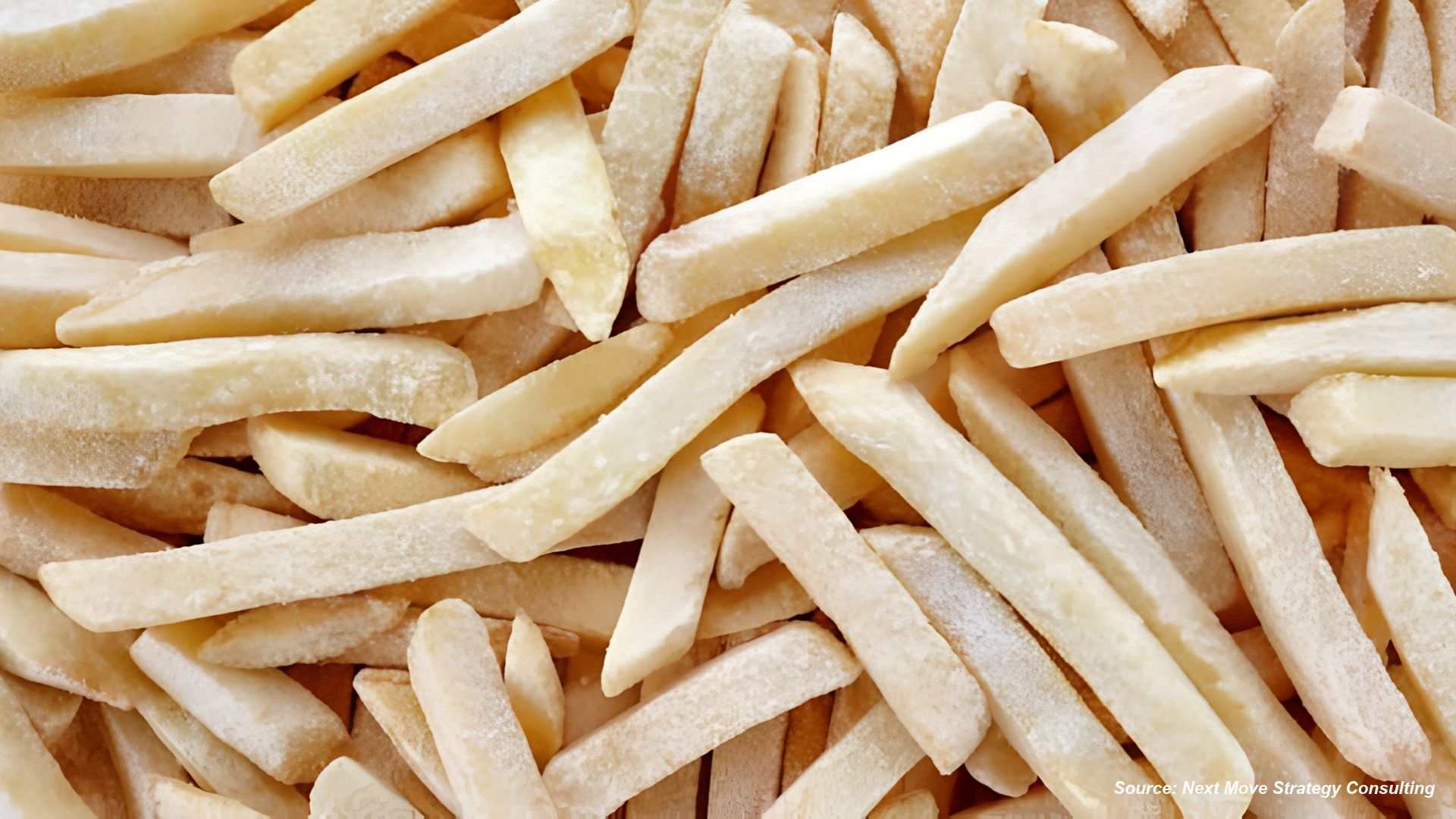
Frozen tortillas are an emerging sub-segment, gaining traction due to their convenience, extended shelf life, and suitability for bulk purchase and long-distance distribution. They are increasingly used by foodservice operators and large households who value the efficiency of thaw-and-serve formats. Advances in freezing technology are helping maintain texture and taste, making frozen tortillas a competitive alternative, especially in markets with well-developed cold chains.
By Product Type Insights
Which Product Type leads the Tortilla Market in 2025?
Based on product type, the market is segmented traditional tortillas, wrap/burrito tortillas, mini/taqueria-size tortillas, and pre-formed taco shells & specialty shapes.
Wraps hold the dominant share due to their exceptional versatility, frequent household usage and strong presence across retail, foodservice and meal-kit channels. Taco shells follow closely, supported by the widespread popularity of tacos in both restaurant menus and home cooking. Chips and tostadas command strong visibility in snacking, while mixes and kits cater to convenience-driven buyers. The Others category remains innovation-led, enabling brands to test new flavours and premium concepts. Wraps lead the market because they integrate seamlessly into multiple cuisines, eating occasions and preparation styles.
Taco shells remain a high-volume, mainstream category driven by strong consumer affinity for Mexican-style foods and expanding menu penetration across quick service and casual dining chains. Both soft- and hard-shell variants sustain consistent demand, appealing to households looking for quick meal assembly options. Foodservice adoption continues rising as tacos remain one of the most frequently ordered ethnic dishes. The segment benefits from innovation in flavouring, seasoning and heat-stable packaging, enabling brands to strengthen presence in retail while supporting large-scale restaurant sourcing requirements.
Mixes and pre-cooked kits appeal to consumers seeking convenience without giving up the experience of assembling meals at home. These kits, combining tortillas with sauces, seasoning, or fillings, align well with the growth of meal kit culture and online grocery purchases. Though smaller than ready-to-eat categories, the segment benefits from rising demand for quick family dinners and themed meal occasions. Brands differentiate through cleaner ingredients, improved freshness, and globally inspired flavour bundles, positioning kits as accessible solutions that simplify meal preparation while preserving authenticity
By Value-Added Features Insights
Are Plain Tortillas Still the Powerhouse in the Tortilla Market in 2025?
On the basis on the product variant, the market is segmented into plain tortillas, flavoured & colored Tortillas, fortified & functional tortillas, and premium specialty varieties.
Plain tortillas dominate, capturing the largest share due to their fundamental role in everyday eating, versatility across cuisines, and broad consumer acceptance, nearly half of the flavor segment is projected to be plain by 2025. Flavored and colored tortillas are an innovation-driven segment gaining popularity among niche and younger consumers, while fortified and functional tortillas respond to rising health and wellness demand. Premium specialty varieties, including ancient grain and specialty formulations, appeal to premium and clean-label segments but remain comparatively smaller in volume. Together, this segmentation reflects how traditional core products coexist with evolving tastes and health-focused innovations in the global tortilla market.
By Production Scales & Source Insights
Is Industrial Mass Production Steering the Tortilla Market in 2025?
On the basis on the production scale & manufacturing type, the market is segmented into industrial mass production, store brand production, mid-scale producers, small-batch producers, in-house production, and packaging & market positioning.
Industrial mass production clearly dominates the tortilla market in terms of volume and distribution reach, holding the largest share due to its ability to deliver consistent, cost-effective tortillas at scale. Store brand production leverages retail networks to capture value-oriented consumers, while mid-scale producers fill the gap with regional differentiation. Small-batch producers and in-house production serve niche and premium segments with quality and customization, and packaging/market positioning strategies enhance appeal across categories. This segmentation highlights how scale, automation, and branding interplay to shape competitive dynamics in the global tortilla market.
Small-batch producers emphasize artisanal quality, heritage recipes, and limited-edition offerings, appealing to niche consumers who value authenticity and ingredient transparency; although they account for a smaller overall share than industrial producers, their influence is notable in urban markets and specialty retailers where customers are willing to pay premiums for perceived freshness and craftsmanship, aligning with broader artisan food movements focused on local sourcing and traditional methods. In-house tortilla production, carried out within restaurants, cafeterias, and some grocery delis, enables high levels of customization and ultra-fresh product delivery; while it contributes minimally to total market volume compared with commercial manufacturing, it plays a significant role in strengthening foodservice brand identity and enhancing customer experience through freshly prepared tortillas tailored to specific menu offerings.
By Dietary Segment Insights
Is the Dietary Focused Tortilla Segment Shifting in 2025?
On the basis of the dietary segment, the tortilla market is segmented into conventional, organic, gluten-free, organic and others.
Conventional tortillas remain dominant in terms of sheer volume due to their entrenched position in everyday cooking, affordability, and broad availability. However, gluten-free tortillas are emerging as the fastest-growing health-focused sub-segment, propelled by rising health awareness, dietary restrictions, and innovation in gluten-free formulations. Organic tortillas trail in volume but offer strong premium potential, especially among eco-conscious and clean-label consumers. For tortilla manufacturers, the key opportunity lies in scaling gluten-free production efficiency and leveraging organic formulations to command higher margins in niche but expanding consumer segments.
By Packing Technology Insights
Is Packaging Innovation Redefining the Tortilla Market in 2025?
On the basis of the packaging type, the market is segmented into modified atmosphere packaging, resealable packaging, single-serve & portion-controlled packs, and bulk packaging.
Modified atmosphere packaging leads in terms of technological impact within the tortilla packaging landscape, especially for extending freshness and reducing spoilage across retail and distribution networks. Resealable packaging follows closely by enhancing user convenience and preserving product quality between uses. Single-serve and portion-controlled packs are rapidly gaining traction as consumer lifestyles favor convenience and minimized food waste. Bulk packaging remains important in wholesale and foodservice channels by maximizing cost and material efficiency. Collectively, these packaging innovations reflect a market balancing freshness preservation, convenience, and sustainability to meet diverse consumer and operational needs.
By Price Tier Insights
Is Price Tier Segmentation Shaping the Future of the Tortilla Market in 2025?
On the basis on the price tier, the market is segmented into premium tier, branded tier, private label tier, and commodity tier.
Branded tortillas dominate the price-tier segmentation in terms of volume and widespread consumer adoption, effectively balancing quality perception and affordability for mainstream buyers. The private label tier is rapidly expanding as value-seeking shoppers increasingly choose store brands that are often priced significantly below national brands while delivering comparable quality. Premium tortillas are often organic or specialty formulations that capture a smaller yet growth-oriented segment driven by health, gourmet, or lifestyle preferences. At the base, commodity tortillas remain essential for budget-centric consumer segments and foodservice bulk purchases. Across tiers, price sensitivity, quality perceptions, and lifestyle trends shape consumer choices, with branded and private label categories anchoring volume while premium offerings grow through differentiation.
By End-User Insights
Is Foodservice or Retail Driving the Tortilla Market in 2025?
Based on end-user, the tortilla market is segmented into foodservice and retail.
Retail segment dominates the tortilla market in terms of volume, with supermarkets or hypermarkets being the largest individual contributors, followed closely by growing online and speciality retail channels. While foodservice, particularly quick service restaurants, play a critical role in driving tortilla demand via high-frequency, high-volume orders, its share is smaller than retail’s broad consumer reach. For strategic growth, tortilla producers should continue scaling their retail presence with innovation in packaging and health-forward variants, while also strengthening partnerships with QSRs to secure recurring foodservice demand and co-branded opportunities.
Full-service restaurants remain a significant but more niche part of the market, especially in regions where tortillas are part of higher-end Mexican or fusion cuisine. While industrial data is limited, academic research highlights that food chains contribute materially to foodservice tortilla sales. These establishments favour high-quality, freshly made or premium-branded tortillas to deliver an authentic dining experience. For manufacturers, partnering with full-service restaurants on co-developed tortilla variants reinforces brand identity and product premiumization.
Supermarkets and hypermarkets capture the largest retail share of tortilla consumption, driven by mass market penetration and household demand. According to a tortilla solutions whitepaper, tens of millions of consumers buy tortilla products weekly, reflecting strong retail dominance. These large-format stores offer both fresh and packaged tortillas, allowing brand players to reach urban and suburban consumers. Tortilla manufacturers should focus on shelf-stable and refrigerated lines, along with clean-label variants, to maintain visibility and competitiveness in this channel.
Regional Outlook
The tortilla market is geographically studied across North America, Europe, Asia Pacific, Middle East & Africa, and Latin America and each region is further studied across countries.
Tortilla Market in North America
North America’s tortilla demand is shaped by a blend of cultural tradition in Mexico and convenience-driven consumption patterns in the United States and Canada. Rapid urbanisation, large quick-service and fast-casual channels, and consumer interest in on-the-go meals push both soft and value-added tortillas in grocery and foodservice. Mexico remains the volumetric backbone with very high per capita consumption around 75 kg per year reported, while the United States drives innovation in wraps and retail formats. The region’s cold chain, retail infrastructure and large QSR contracts sustain premium and frozen formats alongside fresh tortillas.
Tortilla Market in the United States
In the United States the tortilla category is a convenience and snacking success story powered by wraps, burritos and QSR menu expansion. Urban lifestyles, multicultural food adoption and supermarket private label growth underpin steady volume and value gains, industry estimations point to a multibillion-dollar market with mid-single digit CAGRs as consumers trade traditional bread for tortillas in many meal occasions. Investment in freezing and packaging to extend shelf life, plus clean label and higher fibre claims, are driving premiumization and higher per unit retail value in the U.S. market.
Tortilla Market in Canada
Canada’s tortilla demand follows similar convenience and ethnic-food adoption trends as the U.S., with urban consumers seeking ready-to-eat wraps and gluten-free alternatives. Retail penetration through supermarkets and the growth of online grocery add distribution breadth for both fresh and shelf stable products. Multicultural population growth raises demand for both corn and wheat formats, while private label and artisan niche players coexist with national brands. Agricultural policy and imports for corn and wheat influence cost, manufacturers lean on value-added claims and single-serve convenience packs to win c-store and online impulse purchases.
Tortilla Market in Europe
Europe’s tortilla and flatbread market is expanding as Mexican and Tex-Mex cuisines become mainstream across supermarkets and foodservice. Retail drives chips and snack formats while urban quick service outlets lift soft tortillas and wraps. Country-level differences matter, southern European markets remain more traditional in bread consumption, whereas northern markets adopt tortillas faster as convenience foods. Sustainability and health claims such as whole grain, organic and lower fat options are important, manufacturers localise flavours and packaging to match European retail norms and regulatory labelling.
Tortilla Market in the United Kingdom
The UK has seen steady adoption of tortilla-based meals and snacks, driven by eating out trends and home convenience cooking. Supermarkets are the primary retail channel with significant private label activity, rising interest in world cuisines and meal kits has lifted wraps and taco kits. Online grocery growth and delivery platforms accelerate trial of new formats, while health-oriented options such as whole grain and gluten-free find niche traction among discerning shoppers. The market’s growth reflects broader foodservice and retail shifts rather than a single product innovation.
Tortilla Market in Germany
Germany’s tortilla uptake is supported by strong demand for plant-based and convenience foods, coupled with high discretionary spending on quality packaged goods. Vegan and flexitarian trends favour innovative tortillas made from alternative grains and plant-enriched formulations, and supermarkets actively promote ready meals and snack extensions. Germany’s sophisticated retail landscape and export orientation also mean that tortillas are both a domestic convenience product and an ingredient for broader processed food lines. Policy focus on food labelling and sustainability shapes product positioning.
Tortilla Market in France
France combines a mature bakery culture with growing curiosity for ethnic and convenience formats, tortilla chips and snack variants have carved shelf space, while fresh wraps appear in chilled bakery and supermarket ready meal sections. Urban snacking habits and the popularity of casual dining support tortilla adoption, though traditional bread remains culturally dominant. Premiumisation through artisanal styles and organic claims works well in French urban centres, and localised flavour profiles help brands connect with consumers used to culinary nuance.
Tortilla Market in Italy
In Italy, tortillas are primarily a convenience and novelty category that has grown via foodservice menus and supermarket ready meal sections rather than replacing bread staples. Adoption concentrates in urban centres where younger consumers experiment with global flavours. Retailers offer both snack and meal formats that are successful products, blending Italian sensibilities with Tex-Mex style positioning. Overall growth is steady but from a smaller base compared with northern Europe and North America, and innovation tends to be flavour and premium oriented to appeal to Italian taste preferences.
Tortilla Market in Spain
Spain presents a unique linguistic and cultural note, the word tortilla refers to the traditional potato omelette, so market development for corn and wheat tortillas is driven by imported Mexican and Tex-Mex culinary trends rather than by the local tortilla staple. Urban dining scenes and tapas culture have created niche opportunities for tortilla chips and fusion applications, while supermarkets and casual restaurants push ready-made wraps and snack multipacks. Adoption is highest in tourist and metropolitan zones.
Tortilla Market in the Nordics
The Nordic countries show a strong preference for health-forward and sustainable products which shapes tortilla demand, whole grain, organic and gluten-free formats perform well alongside interest in novel plant-based variants. Price sensitivity is moderated by high purchasing power and willingness to pay for provenance and low environmental impact. Retail chains in the Nordics emphasise transparency, driving manufacturers to optimise ingredient sourcing and packaging sustainability, while QSRs offer tortillas as part of fast casual international menus.
Tortilla Market in the Asia-Pacific
Asia Pacific is heterogeneous. Australia and urban East Asia lead in convenience-driven tortilla uptake, while Southeast Asia and parts of South Asia show growing but nascent demand. Urbanisation, rising incomes and the spread of multinational QSRs create fertile conditions for tortillas both as retail convenience and as foodservice staples. Localisation of flavours and gluten-free or rice-based alternatives accelerate penetration. The region’s evolving cold chain and e-commerce capacity also facilitate the distribution of fresh and frozen formats.
Tortilla Market in China
China’s market is emerging as Western and fusion cuisines gain footholds in urban dining adoption concentrated in tier one and two cities via fast casual restaurants and supermarket chilled sections. While per capita consumption remains low, rapid urbanisation and rising disposable incomes create a growing addressable market. Localisation, introducing flavours and pack sizes that fit Chinese meal patterns, plus distribution partnerships with online grocers, will be central to scale. Macro data on urbanisation and income growth underpin the optimism for future expansion.
Tortilla Market in Japan
Japan’s demand for tortillas is shaped by curiosity for international cuisines and high expectations for product quality and packaging. Tortillas find use in convenience store-ready meals, bento adaptations and fusion restaurants. Successful products adapt to Japanese portioning and taste profiles, and frozen or shelf-stable versions that maintain texture find acceptance. Japan’s mature retail and convenience store network provides a rapid route to market, but consumer preference for fresh bakery goods creates a competitive barrier.
Tortilla Market in India
In India, tortillas remain a niche product relative to traditional flatbreads, but growth is accelerating in urban centres due to rising westernised diets, QSR expansion and international cuisine interest. Retailers now stock wraps and tortilla chips in metros, and foodservice menus increasingly include tortilla-based dishes as quick meal options. Localising ingredients and price points is essential maize and wheat supply fundamentals from domestic agriculture support cost-effective production, while e-commerce and modern retail channels enable faster trial and scaling.
Tortilla Market in South Korea
South Korea’s rapid adoption of international fast casual formats and strong delivery infrastructure support tortilla growth in urban areas. Consumers favour novel flavours and convenience foods. Tortilla-based wraps and fusion tacos appear on many menus. Retailers and foodservice operators who optimise for spicy and savoury Korean flavour profiles accelerate acceptance. High internet penetration and delivery services also help ready-to-heat and frozen tortillas reach consumers efficiently.
Tortilla Market in Taiwan
Taiwan’s urban consumers embrace international snack and street food trends, creating niche demand for tortilla chips and soft wraps in cities. Supermarkets and convenience stores play a major role in introducing packaged tortillas, aligning them with local snack flavours. As with other East Asian markets, localisation, premium packaging, and smaller pack sizes help drive trial among time-pressed urban shoppers.
Tortilla Market in Indonesia
Indonesia’s market is still at an early stage but benefits from a young population, urban migration and rising foodservice variety in large cities. Local QSRs and food halls experiment with fusion concepts that incorporate tortillas, and retail growth in supermarkets and modern trade will determine how quickly tortillas move from niche to mainstream. Ingredient sourcing from local maize production be an advantage if manufacturers tailor price and flavor to local tastes.
Tortilla Market in Australia
Australia displays healthy demand for tortilla chips, wraps and convenience meal formats driven by multicultural menus and strong retail penetration. Supermarkets stock a broad range of tortillas, including gluten-free and organic options, and the QSR sector uses tortillas extensively for wraps and bowls. High urbanisation and disposable incomes support premium and health labelled variants, Australia’s mature cold chain enables the distribution of both fresh and frozen products.
Tortilla Market in Latin America
Latin America is the world’s heartland for corn tortillas, where per capita consumption is highest and tortillas remain daily staples in many countries. Mexico alone reports per capita consumption near 75 kg annually. This region drives global tortilla volumes and is sensitive to maize policy, commodity prices and local agricultural support programs. Urbanisation and retail modernisation are increasing packaged and fresh tortilla sales even as traditional small-scale producers remain important. Policy shifts that affect corn prices or subsidies have immediate market impacts.
Tortilla Market in the Middle East & Africa
The Middle East and Africa show patchy but growing interest in tortilla-style products, influenced by urbanisation and the spread of international QSRs. In parts of Africa where maize is a staple, tortillas or similar flatbreads are common, in Gulf markets, tortillas are a convenient import-driven product for large expatriate populations and QSR demand. Infrastructure constraints in cold chain and retail modernisation create both challenges and opportunities, shelf-stable chips and mixes outperform fresh formats where refrigeration is limited.

Thus, this chart shows high household disposable income, as depicted in the chart for countries like Japan, Germany, the UK, Canada, and South Korea in 2025, significantly impacts the growth of the tortilla market by increasing consumers' ability and willingness to spend on diverse food products, including tortillas. Greater purchasing power allows consumers to explore and adopt new culinary experiences, such as international cuisines and convenient foods, fostering demand for tortillas in both retail and foodservice channels. Additionally, higher disposable income drives premiumization trends, opening opportunities for brands to introduce value-added, organic, or speciality tortillas that command higher prices and cater to evolving consumer preferences. Overall, regions with elevated disposable incomes serve as fertile grounds for tortilla market expansion, driven by increased spending, lifestyle changes, and rising interest in convenient and innovative food offerings
Competitive Landscape
Which Companies Dominate the Tortilla Industry and How do they Compete?
The competitive landscape of the global tortilla market reflects a blend of scale-driven incumbents and fast-growing niche players. Major producers such as Grupo Bimbo and GRUMA dominate through extensive procurement networks, large-scale manufacturing, and deep distribution partnerships, while multinational packaged-food companies like General Mills and B&G Foods compete aggressively for shelf presence through branded lineups and strong private-label relationships. Alongside these leaders, a diverse group of regional specialists, including Goya, Olé Mexican Foods, La Tortilla Factory, Mi Rancho, Rudi’s Organic Bakery, Vermont Tortilla Company, Mama Lupes, Fiesta Tortillas, and Siete Foods, differentiate through heritage positioning, clean-label health claims, and authentic ethnic recipes. Meanwhile, Tyson and TI Foods hold strong positions in frozen, foodservice, and heat-and-serve formats. The result is a competitive environment that balances economies of scale with innovation-driven differentiation, where companies simultaneously pursue national retail contracts and localised brand strategies to protect share and capture new growth segments.
Market Dominated by Tortilla Giants and Specialists
The tortilla market reflects a clear two-tier competitive structure, with large incumbents such as Grupo Bimbo and GRUMA dominating manufacturing, milling, and supply channels to efficiently serve staple markets at scale. Their expansive production footprints and national retail and foodservice contracts secure cost leadership and high-volume throughput. In contrast, specialist brands including Siete Foods, La Tortilla Factory, and Vermont Tortilla Company compete by targeting premium, health-positioned, and regionally authentic niches, leveraging clean-label formulations, alternative grains, and focused channel strategies such as direct-to-consumer, natural grocery, and specialty retail. This dynamic creates geographic segmentation: markets where tortillas are household staples tend to favour scale-driven incumbents, while urban, higher-income regions show stronger adoption of agile niche brands and artisanal producers.
Innovation and Adaptability Drive Market Success
Leading firms are sustaining growth through focused product and process innovation, ranging from clean-label, gluten-free, and ancient-grain formulations to improvements in frozen-to-fresh processing and the rollout of single-serve or multipack convenience formats. Grupo Bimbo continues regional expansion through strategic acquisitions and incremental product extensions, while GRUMA prioritises manufacturing scale and ingredient R&D to improve texture, freshness, and shelf life. Smaller and emerging brands differentiate through ethnic authenticity, paleo positioning, or grain-free formulations to secure premium price points. Investment and partnership strategies also remain active. La Tortilla Factory, for instance, secured external capital to accelerate its better-for-you portfolio, while larger incumbents test fortified, protein-enriched, or functional tortilla wraps to capture rising health-driven demand.
Market Players to opt for Merger & Acquisition Strategies to Expand Their Presence
Mergers and acquisitions continue to serve as a key pathway for scale, category expansion, and capability building within the tortilla market. Recent activity reflects this trend, with PepsiCo’s acquisition of Siete Foods in January 2025 bringing grain-free and health-positioned ethnic tortilla offerings into its mainstream portfolio, while Grupo Bimbo continues its long-running acquisition strategy, including deals such as Panrico, to deepen its presence across global bakery and tortilla categories. Similarly, Tyson Foods’ earlier purchases of Mexican and flatbread brands have strengthened its position in frozen, foodservice, and heat-and-serve applications, and private equity investment into La Tortilla Factory underscores the strategic value of premium, clean-label product lines. Collectively, these transactions demonstrate how established players are buying innovation, niche brand equity, and regional distribution strength, while investors accelerate consolidation across a still-fragmented supplier landscape.
List of Key Tortilla Companies
-
GRUMA, S.A.B. de C.V
-
B&G Foods, Inc..
-
Goya Foods, Inc
-
TYSON FOODS, INC.
-
Ole Mexican Foods Inc
-
Mi Rancho
-
La Tortilla Factory
-
TI Foods
-
Vermont Tortilla Company
-
Rudi’s Organic Bakery
-
Mama Lupes
-
Fiesta Tortillas
-
Siete Foods
What Are The Latest Key Industry Developments?
-
July 2025 - GRUMA reported a 16% increase in net sales, with its tortilla business growing especially in retail versus foodservice, and strong margins driven by a richer sales mix.
-
July 2025 - Grupo Bimbo announced its Zero Packaging Waste initiative, by end of 2025, it aims for 100% of its packaging to be recyclable, biodegradable, or compostable.
-
October 2024 - PepsiCo agreed to acquire Siete Foods for USD 1.2 billion, signalling a push into heritage-inspired and health-focused tortillas.
-
February 2024 - La Tortilla Factory closed its long-running Santa Rosa, California plant after 47 years and relocated production to Moundridge, Kansas to scale more efficiently.
-
February 2024 - GRUMA announced USD 43.2 million investment to build a new snack production center in Puebla and expand its Huejotzingo plant, boosting tortilla, tostada, and snack capacity to 70,200 tonnes per year.
What Are The Key Factors Influencing Investment Analysis & Opportunities In The Tortilla Market?
Investment activity in the tortilla market is increasingly shaped by the intersection of consumer health trends, ethnic-food adoption, and the shift toward premium and clean-label offerings. Investors are closely watching brands that specialise in organic, gluten-free, grain-free and culturally authentic products, as these segments consistently attract strong consumer pull and justify higher price points. Funding trends show a growing appetite for companies that balance authenticity with scalability, especially those leveraging modern manufacturing, automation and sustainable sourcing practices. This has created a favourable environment for both emerging artisanal brands and established players expanding into better-for-you portfolios, making the category attractive for long-term capital deployment.
Within this landscape, investment hotspots are forming around innovation-driven businesses that offer differentiated formulations, strong retail partnerships and direct-to-consumer traction. Brands able to demonstrate supply-chain resilience and multi-channel distribution are viewed as especially promising, as they are better positioned to scale efficiently and withstand commodity volatility. Strategic investors tend to focus on companies with clear expansion opportunities in North America and Europe, while venture and private equity interest is rising in the Asia-Pacific region, where Western convenience foods are gaining popularity. Collectively, these factors make the tortilla market dynamic, competitive and well-positioned for continued investment.
Key Benefits for Stakeholders:
Next Move Strategy Consulting (NMSC) presents a comprehensive analysis of the tortilla market, covering historical trends from 2020 through 2025 and offering detailed forecasts through 2035. Our study examines the market at regional and country levels, providing quantitative projections and insights into key growth drivers, challenges, and investment opportunities across all major Tortilla segments.
Different stakeholders in the tortilla industry benefit in distinct yet interconnected ways, creating a mutually reinforcing growth cycle. Investors gain from the industry’s steady demand, expanding global footprint and rising premiumization, which together offer strong long-term returns and opportunities for portfolio diversification. Customers benefit from greater product variety, higher nutritional quality and wider availability across retail and foodservice channels, giving them access to convenient, culturally diverse and health-oriented options. Meanwhile, retailers and foodservice operators benefit from reliable turnover, adaptable product formats and strong consumer loyalty, which enhance margins and drive repeat sales. This alignment of financial opportunity, consumer satisfaction and channel profitability positions the tortilla market as a high-value ecosystem for all stakeholders.
Report Scope
|
Parameters |
Details |
|
Market Size in 2026 |
USD 42.68 Billion |
|
Revenue Forecast in 2035 |
USD 64.03 Billion |
|
Growth Rate |
CAGR of 4.61% from 2026 to 2035 |
|
Analysis Period |
2025–2035 |
|
Base Year Considered |
2025 |
|
Forecast Period |
2026–2035 |
|
Market Size Estimation |
Billion (USD) |
|
Growth Factors |
|
|
Companies Profiled |
15 |
|
Countries Covered |
33 |
|
Market Share |
Available for 10 companies |
|
Customization Scope |
Free customization (equivalent to up to 80 analyst-working hours) after purchase. Addition or alteration to country, regional & segment scope. |
|
Pricing and Purchase Options |
Avail customized purchase options to meet your exact research needs. |
|
Approach |
In-depth primary and secondary research; proprietary databases; rigorous quality control and validation measures. |
|
Analytical Tools |
Porter's Five Forces, SWOT, value chain, and Harvey ball analysis to assess competitive intensity, stakeholder roles, and relative impact of key factors. |
Tortilla Market Key Segments
By Core Ingredients
-
Corn Tortillas
-
Wheat Flour Tortillas
-
Whole Wheat Tortillas
-
Multigrain & Blended Grain Tortillas
-
Specialty Grain Tortillas
By Processing Method
-
Fresh Tortillas
-
Shelf-Stable Tortillas
-
Frozen Tortillas
By Product Type
-
Traditional Tortillas
-
Wrap/Burrito Tortillas
-
Mini/Taqueria-Size Tortillas
-
Pre-formed Taco Shells & Specialty Shapes
By Value-Added Features
-
Plain Tortillas
-
Flavored & Colored Tortillas
-
Fortified & Functional Tortillas
-
Premium Specialty Varieties
By Production Scale & Source
-
Industrial Mass Production
-
Store Brand Production
-
Mid-Scale Producers
-
Small-Batch Producers
-
In-house Production
-
Packaging & Market Positioning
By Dietary
-
Conventional
-
Organic
-
Gluten-free
-
Non-GMO
-
Clean-Label / Preservative-Free
-
Low-Calorie / Low-Carb
By Packaging Technology
-
Modified Atmosphere Packaging
-
Resealable Packaging
-
Single-Serve & Portion-Controlled Packs
-
Bulk Packaging
By Price Tier
-
Premium Tier
-
Branded Tier
-
Private Label Tier
-
Commodity Tier
By Shelf-Life Category
-
Short Shelf-Life (Fresh / Refrigerated)
-
Medium Shelf-Life
-
Extended Shelf-Life (Ambient / Frozen)
By Packaging Format
-
Standard Plastic Packs
-
Modified Atmosphere Packaging (MAP)
-
Resealable Consumer Packs
-
Single-Serve & Portion Packs
-
Bulk / Foodservice Packs
-
Sustainable / Compostable Packaging
By Flavor & Functional Enhancement
-
Plain / Unflavored
-
Savory Flavored (Herbs, Spices)
-
Vegetable-Infused
-
Fortified (Vitamins, Minerals)
-
Ethnic & Regional Flavor Variants
By End-User
-
Foodservice
-
Full-Service Restaurants
-
Quick Service Restaurants
-
Institutional & Catering supply
-
-
Retail
-
Supermarkets and Hypermarkets
-
Convenience Stores
-
Online Retail
-
Other Retail Stores
-
Mass Merchandisers
-
Geographical Breakdown
-
North America: U.S., Canada, and Mexico.
-
Europe: UK, Germany, France, Italy, Spain, Sweden, Denmark, Finland, the Netherlands, and rest of Europe.
-
Asia Pacific: China, India, Japan, South Korea, Taiwan, Indonesia, Vietnam, Australia, Philippines, Malaysia and rest of APAC.
-
Middle East & Africa (MEA): Saudi Arabia, UAE, Egypt, Israel, Turkey, Nigeria, South Africa, and rest of MEA.
-
Latin America: Brazil, Argentina, Chile, Colombia, and rest of LATAM.
Conclusion & Recommendations
The tortilla market’s strategic outlook reflects a blend of stable global demand, rapid innovation and widening premium segments, making it a resilient and forward-moving category. As health consciousness rises and consumers seek convenient, culturally inspired foods, brands that innovate in clean-label, organic, gluten-free and grain-free formats will continue to gain traction. Strong multi-channel distribution and operational efficiency remain essential differentiators, while regions such as North America and Europe will lead value growth, with Asia-Pacific emerging as the next major expansion frontier. Collectively, these dynamics signal a market that is structurally sound, competitively active and rich in long-term opportunity.
Executives and investors act on these insights by prioritising brands and capabilities aligned with health-focused product innovation, scalable manufacturing and global retail integration. Strengthening supply chain resilience, building partnerships in emerging regions and selectively pursuing M&A to acquire niche or premium players accelerate market positioning. Those who align capital and strategy with evolving consumer preferences and cross-regional growth patterns will be best positioned to capture sustained value in the tortilla industry.


About the Author
 Ridip Gogoi
— Ridip Gogoi is a Research Associate at Next Move Strategy Consulting, where he supports cross-vertical market research and analysis across multiple industry sectors, with four years of experience. His work includes market analysis, data validation, secondary research, and insight development, helping structure evidence into clear findings for business and strategy decisions. He contributes to research quality checks and reporting, with a focus on consistency, source review, and clarity accuracy.
Ridip Gogoi
— Ridip Gogoi is a Research Associate at Next Move Strategy Consulting, where he supports cross-vertical market research and analysis across multiple industry sectors, with four years of experience. His work includes market analysis, data validation, secondary research, and insight development, helping structure evidence into clear findings for business and strategy decisions. He contributes to research quality checks and reporting, with a focus on consistency, source review, and clarity accuracy.
About the Reviewer
 Supradip Baul
— Supradip Baul is an accomplished business consultant and strategist with over a decade of rich experience in market intelligence, strategy, technology, and business transformation. His work has included rigorous qualitative and quantitative analysis across multiple industries, helping clients shape investment decisions and long-term roadmaps. Earlier in his career, he was associated with Gartner, where he contributed to industry-leading reports and market share analyses. He has worked with leading global companies and holds an MBA with a dual specialization in Marketing and Finance.
Supradip Baul
— Supradip Baul is an accomplished business consultant and strategist with over a decade of rich experience in market intelligence, strategy, technology, and business transformation. His work has included rigorous qualitative and quantitative analysis across multiple industries, helping clients shape investment decisions and long-term roadmaps. Earlier in his career, he was associated with Gartner, where he contributed to industry-leading reports and market share analyses. He has worked with leading global companies and holds an MBA with a dual specialization in Marketing and Finance.
At Next Move Strategy Consulting, we understand that insightful market research is the cornerstone of successful business decisions. That's why we employ a robust and multifaceted approach, combining various methodologies to deliver the most accurate and actionable data for our clients.

Research Landscape
We navigate the world of research with two primary approaches:
Qualitative Approach
Our qualitative research methodologies involve immersive techniques such as in-depth interviews, focus groups, and observational studies. By engaging directly with individuals and stakeholders, we uncover valuable insights that quantitative data alone may overlook.

Quantitative Research
In tandem with qualitative methodologies, NMSC leverages the power of Quantitative Research to provide a robust foundation of numerical insights. Through systematic data collection and analysis, we quantify patterns, preferences, and market trends, offering a comprehensive view of the business landscape.
Our quantitative research approach employs diverse tools, including surveys, experiments, and statistical modelling. These methodologies enable us to gather data from a large and representative sample, ensuring the statistical significance of our findings. By employing structured questionnaires and standardized data collection methods, we guarantee the reliability and validity of the information we present to our clients.
Quantitative research is particularly effective in measuring the prevalence of trends, assessing market size, and gauging the impact of various factors on consumer behavior. The numerical precision attained through this approach equips our clients with actionable insights, facilitating data-driven decision-making and strategy formulation.


Our Specialized Toolbox for Industry-Specific Market Research
We deploy a specialized arsenal of techniques tailored to meet your unique requirements. Here's a glimpse into our comprehensive toolbox:

Information Procurement
The stage entails acquiring market data or relevant information through various sources and methodologies.


Market Research Approach
We utilize both top-down and bottom-up approaches in market research analysis to achieve a comprehensive understanding of the market dynamics, leveraging the broad perspective of industry trends and macroeconomic factors alongside detailed insights from specific segments and individual companies.

Porters Five Forces Analysis
We conduct Porter's Five Forces analysis to evaluate the competitive landscape of an industry, providing us with insights into factors that affect profitability and strategic positioning.

SWOT Analysis

Forecasting
We utilize a forecasting model to predict future consumption by considering parameters like population, economics, regulations, market competition, drivers, constraints, technology, and pricing. We also employ statistical techniques such as multilinear regression, exponential smoothing, moving average, ARIMA, and Monte Carlo simulations for accurate predictions. In econometric forecasting, we analyzed short-term and long-term event impacts, attributing values based on regulatory frameworks, economic factors, and market events.





 Speak to Our Analyst